Berlin's Humboldthain Club fights for survival against new hotel plans
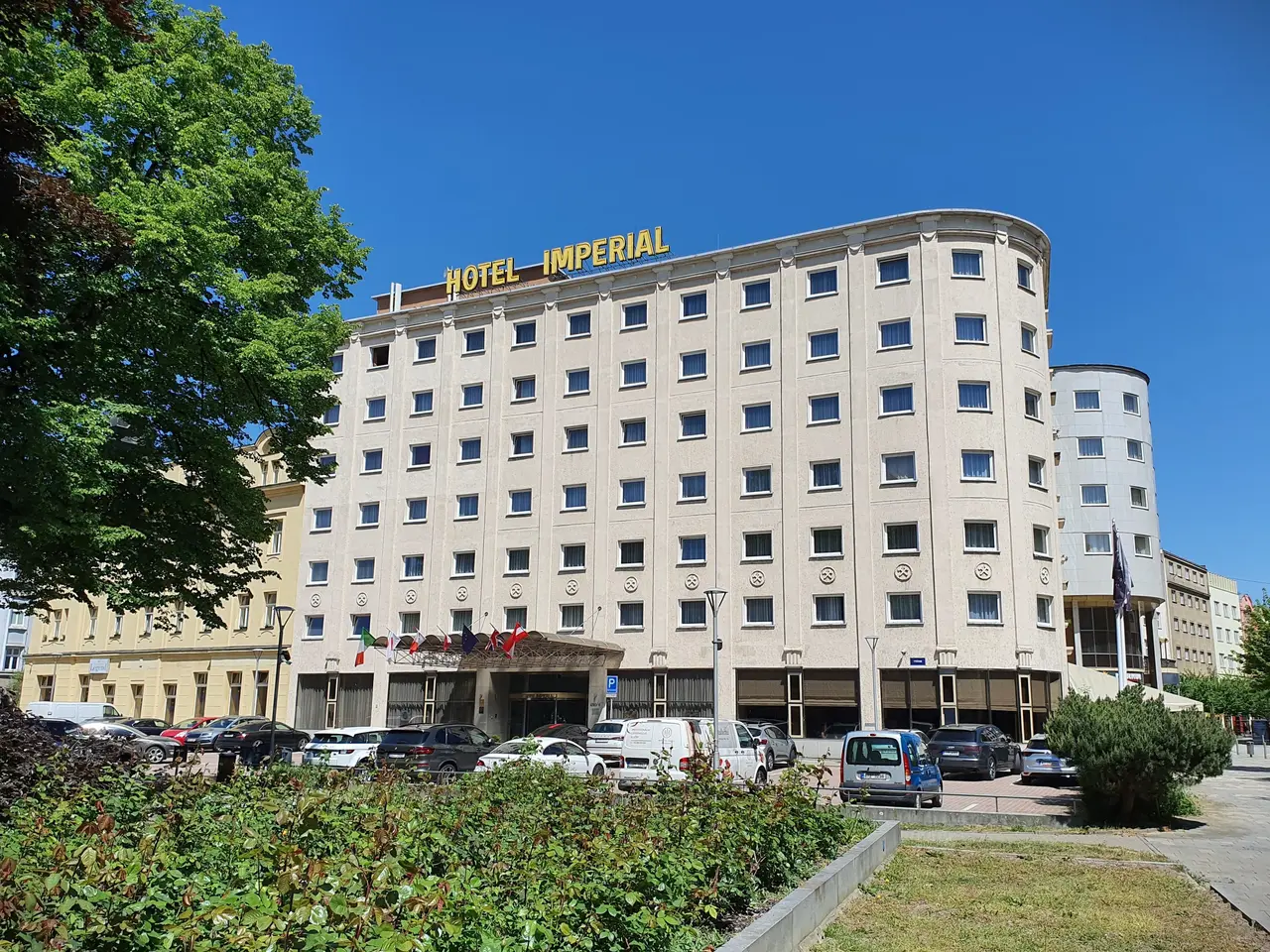
A planned hotel in Berlin-Wedding has sparked concerns over the future of Humboldthain Club, a well-known local venue. The 120-room project, proposed by Periskop Development GmbH, sits near the club and has triggered fears of noise disputes and potential closure. In response, politicians and residents have launched a campaign to protect the club's operations.
Unlike other parts of Mitte, no new hotel projects are currently planned for central Berlin-Mitte itself. However, this single development in Wedding has already led to a broader debate about urban priorities.
The controversy began when Periskop Development GmbH announced its hotel plans for Hochstraße 46, close to the S-Bahnhof Humboldthain. Aimed at a young, digital-focused clientele, the project remains in early coordination with the district, with no confirmed construction start date. Meanwhile, Humboldthain Club—affectionately called Humbi—faces the risk of closure if the hotel proceeds. Club operators warn of future noise complaints, increased pressure from authorities, and even displacement.
Local politicians have taken action to prevent this. Left Party candidates Deike Janssen and Martha Kleedörfer, along with MP Stella Merendino, launched a residents' initiative to block construction that could threaten the club. The initiative requires 1,000 signatures before it can be formally presented to the district assembly (BVV). Their argument is clear: affordable housing and commercial spaces should take priority over another hotel. The campaign has already gained traction. The district parliament unanimously passed a motion to permanently safeguard Humboldthain Club's operations. Now, authorities must review all building permit applications to ensure they do not endanger the venue's future. The Berlin Club Commission has also backed the decision, urging concrete steps to protect the club and calling it a vital part of the city's cultural scene. Beyond this single project, 14 more hotel developments are in progress across Mitte. With an average occupancy rate of 74 percent, the demand for new hotels remains steady. Yet for Humbi and its supporters, the focus stays on preserving a space they see as irreplaceable.
The hotel's future now depends on ongoing discussions between developers, the district, and the residents' initiative. If the campaign succeeds, Humboldthain Club could secure long-term protection from conflicting construction. For now, the district's decision ensures that any new building permits must consider the club's survival as a key factor.
Read also:
- American teenagers taking up farming roles previously filled by immigrants, a concept revisited from 1965's labor market shift.
- Weekly affairs in the German Federal Parliament (Bundestag)
- Landslide claims seven lives, injures six individuals while they work to restore a water channel in the northern region of Pakistan
- Escalating conflict in Sudan has prompted the United Nations to announce a critical gender crisis, highlighting the disproportionate impact of the ongoing violence on women and girls.