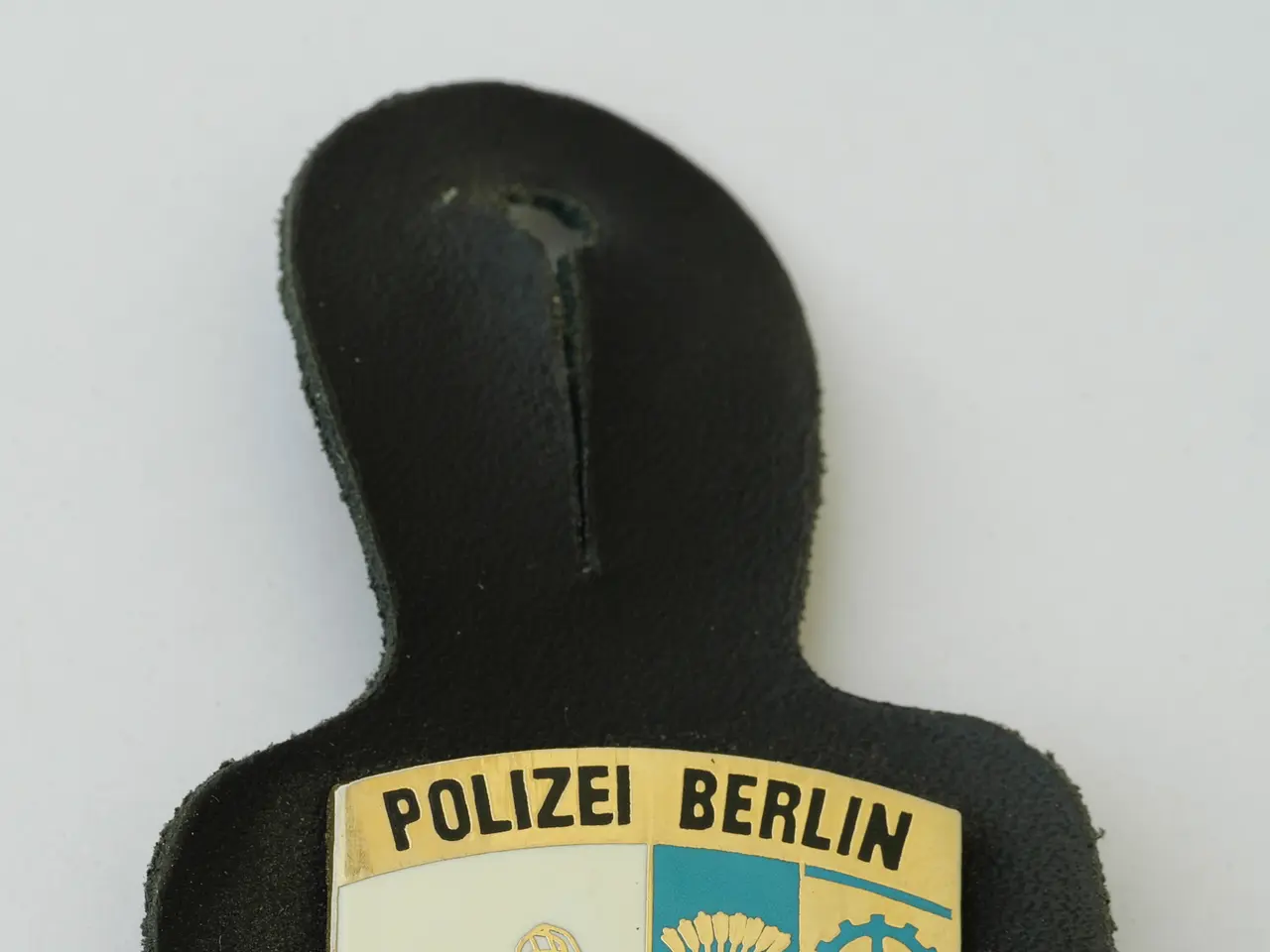
First Traffic Control: Why Join the Police? - Berlin's new police recruits bring diversity and personal drive to modern law enforcement
Berlin's law enforcement agency is evolving as a new generation of recruits begins active duty. These future officers bring diverse backgrounds and personal motivations to their roles. Their first traffic operation revealed both the challenges and rewards of modern policing.
During a recent traffic stop, recruits handled various violations but found no cases of drunk driving. The operation gave them a first taste of real-world policing, from routine checks to unexpected confrontations.
A 23-year-old recruit relies on calm communication rather than physical force. For her, confidence and composure matter more than self-defence techniques. Another recruit, aged 21, from a migrant background, stresses the importance of perspective when facing disrespect or racism on the job.
The recruits' reasons for joining vary widely. Hans Clemens, one of the future officers, was driven by personal loss—his father was stabbed to death in 2003. A female recruit, interested in criminal investigation, feels a strong duty to protect children in cases of sexual offences. The diversity of challenges in policing, from traffic stops to serious crime, appeals to many young officers.
Berlin's police have also worked to increase diversity within their ranks. Over the past decade, the proportion of recruits with migrant backgrounds has risen from around 15% to over 30%. Initiatives like anti-discrimination workshops, cultural sensitivity training, and recruitment partnerships with migrant organisations have helped achieve this shift.
The new recruits represent a broader shift in Berlin's police force, combining personal drive with professional training. Their experiences highlight the evolving demands of policing in a diverse city. As they take on more responsibilities, their backgrounds and motivations will shape the future of law enforcement.
Read also:
- American teenagers taking up farming roles previously filled by immigrants, a concept revisited from 1965's labor market shift.
- Weekly affairs in the German Federal Parliament (Bundestag)
- Landslide claims seven lives, injures six individuals while they work to restore a water channel in the northern region of Pakistan
- Escalating conflict in Sudan has prompted the United Nations to announce a critical gender crisis, highlighting the disproportionate impact of the ongoing violence on women and girls.