Günther honours Frisian culture at Biikeburning on Föhr - Biike Bonfires Ignite Frisian Identity in North Frisia's Spring Ritual
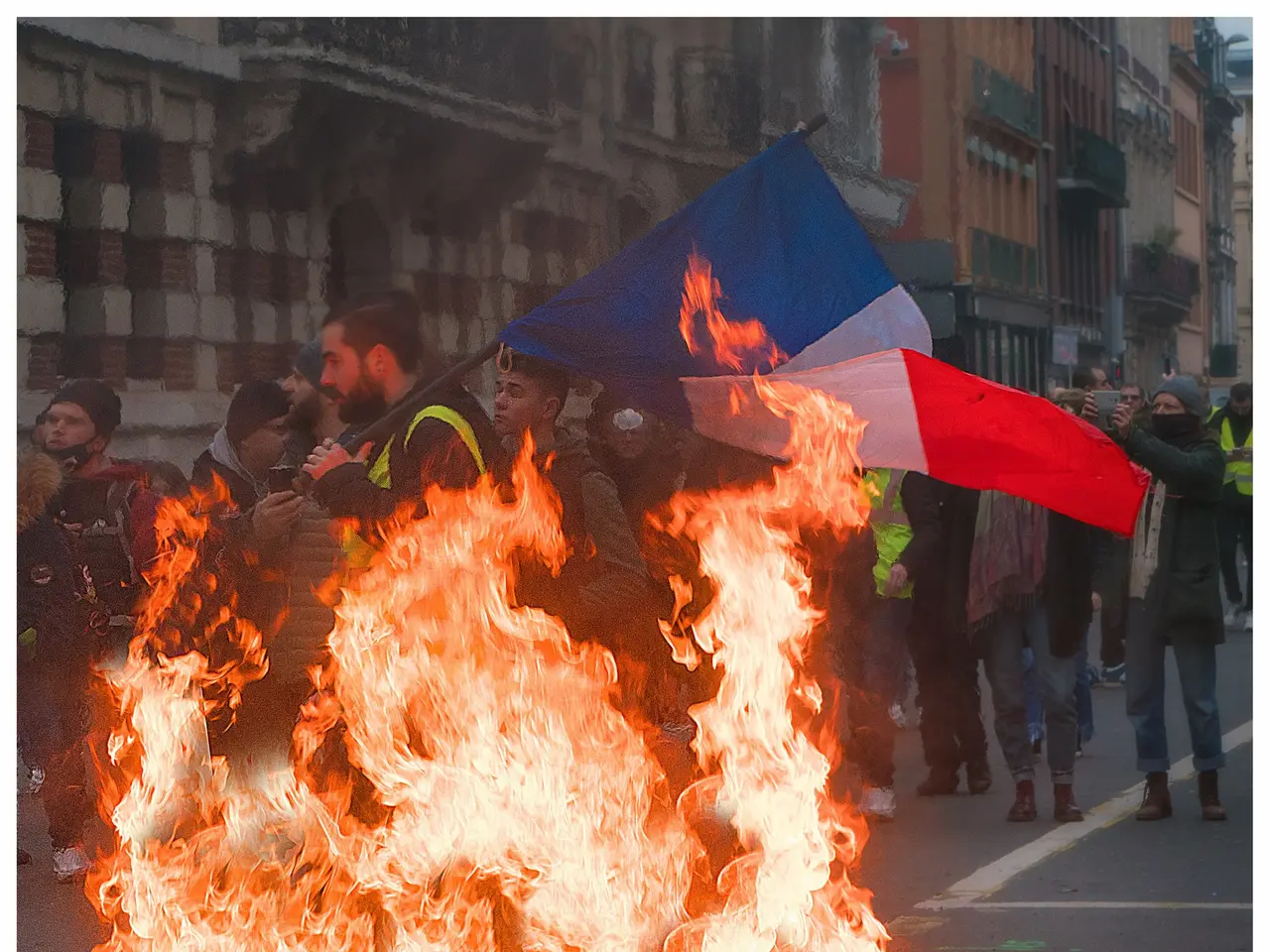
Every year, the Biike bonfires light up North Frisia, drawing crowds from across Germany. This centuries-old tradition, now a symbol of Frisian identity, was officially recognised as part of the nation’s cultural heritage in 2014. Locals and visitors gather to celebrate what many call the Frisians’ 'national festival'. The Biike fires burn on 21 February, the eve of St. Peter’s Day, marking the start of spring. The name itself comes from the Frisian word for 'beacon' or 'fire signal'. Originally, these blazes served as a ritual to chase away winter or as part of Shrove Tuesday celebrations.
Schleswig-Holstein’s Minister-President Daniel Günther recently praised the Frisian community for its cultural contributions. He described the ethnic group as vital to the region’s diversity, noting that their traditions and language deepen a sense of belonging. Günther also stressed the importance of peaceful coexistence between the majority population and national minorities, calling it a source of pride. The state government actively supports the preservation of Frisian heritage. Efforts include protecting the language, customs, and festivals like the Biike. By doing so, officials aim to keep ancestral knowledge alive for future generations.
The Biike tradition remains a cornerstone of Frisian identity, recognised nationally since 2014. Its annual celebration continues to unite communities while showcasing the region’s unique cultural landscape. State backing ensures that such customs will endure as part of Schleswig-Holstein’s living heritage.
Read also:
- American teenagers taking up farming roles previously filled by immigrants, a concept revisited from 1965's labor market shift.
- Weekly affairs in the German Federal Parliament (Bundestag)
- Landslide claims seven lives, injures six individuals while they work to restore a water channel in the northern region of Pakistan
- Escalating conflict in Sudan has prompted the United Nations to announce a critical gender crisis, highlighting the disproportionate impact of the ongoing violence on women and girls.