Estonian tycoon Luik slams banking profits and defence tax policies
Hans H. Luik, owner of Ekspress Grupp and a leading figure in Eesti 200, has spoken out on several political and economic issues. His recent comments cover banking profits, defence taxes, and Estonia’s approach to negotiations with Russia. He also questioned decisions by Estonian ministers and President Alar Karis. Luik highlighted the sharp rise in banking profits over the past two years. In 2023, banks saw strong earnings, but profits nearly doubled again in 2024. Despite this, he noted that no special tax was placed on the financial sector. Instead, the burden of a defence tax fell on the entire population.
He argued that the tax should have targeted banks rather than ordinary citizens. His party, Eesti 200, successfully blocked a tripartite coalition plan to impose the defence levy on financial institutions. On foreign policy, Luik suggested that Estonia should explore negotiations with Russia if opportunities arise. He questioned whether Donald Trump should be the sole Western representative in talks with Vladimir Putin. Additionally, he expressed doubts about President Alar Karis’ recent remarks to European allies, where Karis claimed they had made errors at the start of the war. Turning to domestic politics, Luik criticised Minister Margus Tsahkna for stirring public emotions to boost his own and his party’s profile. He called for a review of ministers, including Tsahkna and Hanno Pevkur, focusing on their competence and motives.
Luik’s remarks put pressure on both the banking sector and political leaders. His stance on tax policy and foreign relations could influence future debates in Estonia. The call for evaluating ministers’ performance may also spark further discussions within the government.
Read also:
- American teenagers taking up farming roles previously filled by immigrants, a concept revisited from 1965's labor market shift.
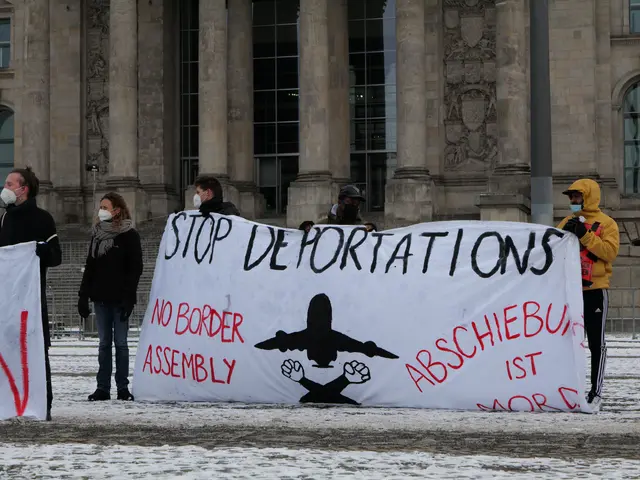
- Weekly affairs in the German Federal Parliament (Bundestag)
- Landslide claims seven lives, injures six individuals while they work to restore a water channel in the northern region of Pakistan
- Escalating conflict in Sudan has prompted the United Nations to announce a critical gender crisis, highlighting the disproportionate impact of the ongoing violence on women and girls.