EU Enlargement Shifts from Rules to Geopolitics in 2022 Candidate Wave
The European Union’s approach to enlargement has shifted in recent years, with political signals taking precedence over strict membership criteria. In 2022, the bloc granted candidate status to Ukraine, Moldova, and Georgia—a move largely seen as a response to Russia’s actions. Yet behind the diplomatic gestures, the EU’s long-term engagement in the South Caucasus remains limited to securing energy supplies.
The decision highlighted contrasting realities: while Georgia stands as the most prepared candidate, its accession talks were halted by its own government. Meanwhile, Ukraine’s bid was never in doubt, given its strategic importance to Brussels. The last EU expansion took place in 2013 when Croatia joined, following Bulgaria’s admission in 2007. Both processes spanned over a decade, reflecting the bloc’s traditionally slow and rigorous approach. But the 2022 wave of candidate status grants broke from this pattern, driven more by geopolitics than technical readiness.
Ukraine emerged as the EU’s top priority, with officials acknowledging that denying its candidate status was politically unthinkable. Moldova, despite its struggling institutions, was included alongside Ukraine and Georgia. Tbilisi, however, suspended its own accession talks, creating an unusual standoff.
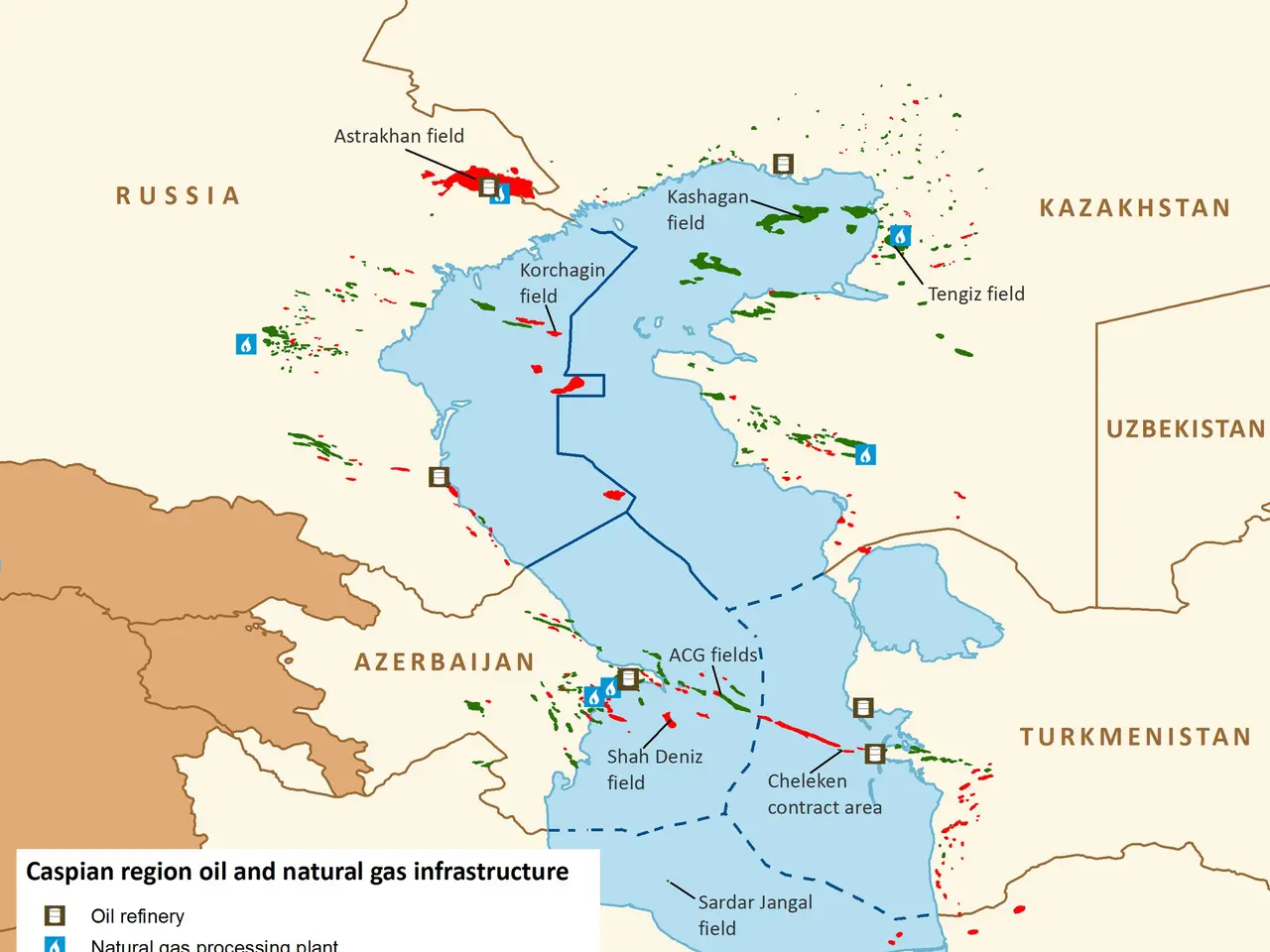
In the South Caucasus, the EU’s objectives appear narrowly focused. Beyond securing Azerbaijani oil and gas, Brussels lacks broader political, economic, or military ambitions. Analysts note that the bloc’s primary interest in the region is to counter Russian influence—rather than deepen integration or reform. The EU’s latest enlargement steps reveal a strategy where symbolic gestures outweigh procedural norms. Georgia’s readiness contrasts with its government’s reluctance, while Ukraine’s path remains the bloc’s central concern. For now, energy security and geopolitical positioning shape the EU’s limited engagement in the South Caucasus.
Read also:
- American teenagers taking up farming roles previously filled by immigrants, a concept revisited from 1965's labor market shift.
- Weekly affairs in the German Federal Parliament (Bundestag)
- Landslide claims seven lives, injures six individuals while they work to restore a water channel in the northern region of Pakistan
- Escalating conflict in Sudan has prompted the United Nations to announce a critical gender crisis, highlighting the disproportionate impact of the ongoing violence on women and girls.