EU Strengthens Defence with Clear Rules for Mutual Aid Under Article 42.7
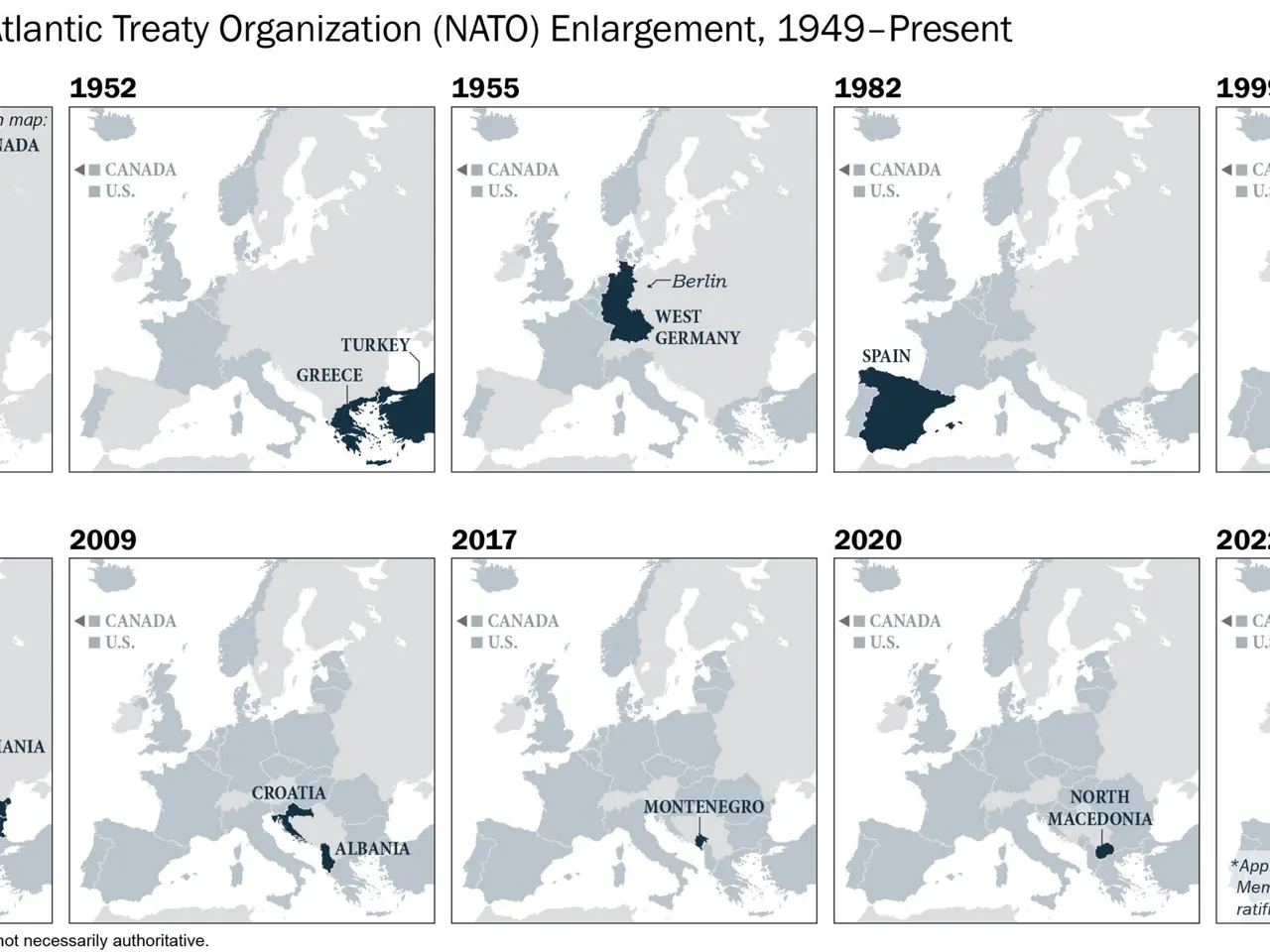
The European Union is preparing for potential security crises by defining how to activate Article 42.7, its mutual defence clause. On 12 May 2023, EU foreign policy chief Kaja Kallas outlined three scenarios for triggering the measure. The move comes as the bloc seeks to strengthen its defence independence amid growing geopolitical tensions. The European Commission’s document details three possible situations for invoking Article 42.7. The first involves a simultaneous attack on a NATO member state, which would activate defence responses from both the EU and NATO. A second scenario covers an assault on an EU country that does not belong to NATO, requiring a coordinated European reaction.
The third scenario addresses hybrid threats that fall short of triggering NATO’s Article 5. These could include cyberattacks, disinformation campaigns, or other non-conventional tactics. Recent tabletop exercises among EU ambassadors exposed gaps in the bloc’s crisis readiness, prompting calls for clearer procedures.
Support for defining Article 42.7 has come from multiple defence ministers. Austrian Defence Minister Klaudia Tanner proposed deploying EU agencies like SATCEN (the EU Satellite Centre) or Frontex (the border agency) in response to such threats. Swedish Defence Minister Pål Jonson suggested creating a strategic 'manual' for handling major security emergencies.
Estonian Defence Minister Hanno Pevkur urged European nations to recognise their collective strength. He highlighted the EU’s 500 million citizens, a combined GDP of €25 trillion, and defence spending nearing €500 billion. His comments reflect broader efforts to reduce reliance on external alliances while bolstering the bloc’s own defence capabilities. The push to clarify Article 42.7 aligns with the EU’s goal of achieving greater defence self-sufficiency. By outlining specific response scenarios, the bloc aims to close preparedness gaps and improve coordination. The proposals will now undergo further discussion among member states.
Read also:
- American teenagers taking up farming roles previously filled by immigrants, a concept revisited from 1965's labor market shift.
- Weekly affairs in the German Federal Parliament (Bundestag)
- Landslide claims seven lives, injures six individuals while they work to restore a water channel in the northern region of Pakistan
- Escalating conflict in Sudan has prompted the United Nations to announce a critical gender crisis, highlighting the disproportionate impact of the ongoing violence on women and girls.