German Court Rules Border Check at Luxembourg-Germany Crossing Illegal
Koblenz. The Koblenz Administrative Court has ruled that an identity check conducted on a traveler at the Luxembourg-German border was unlawful.
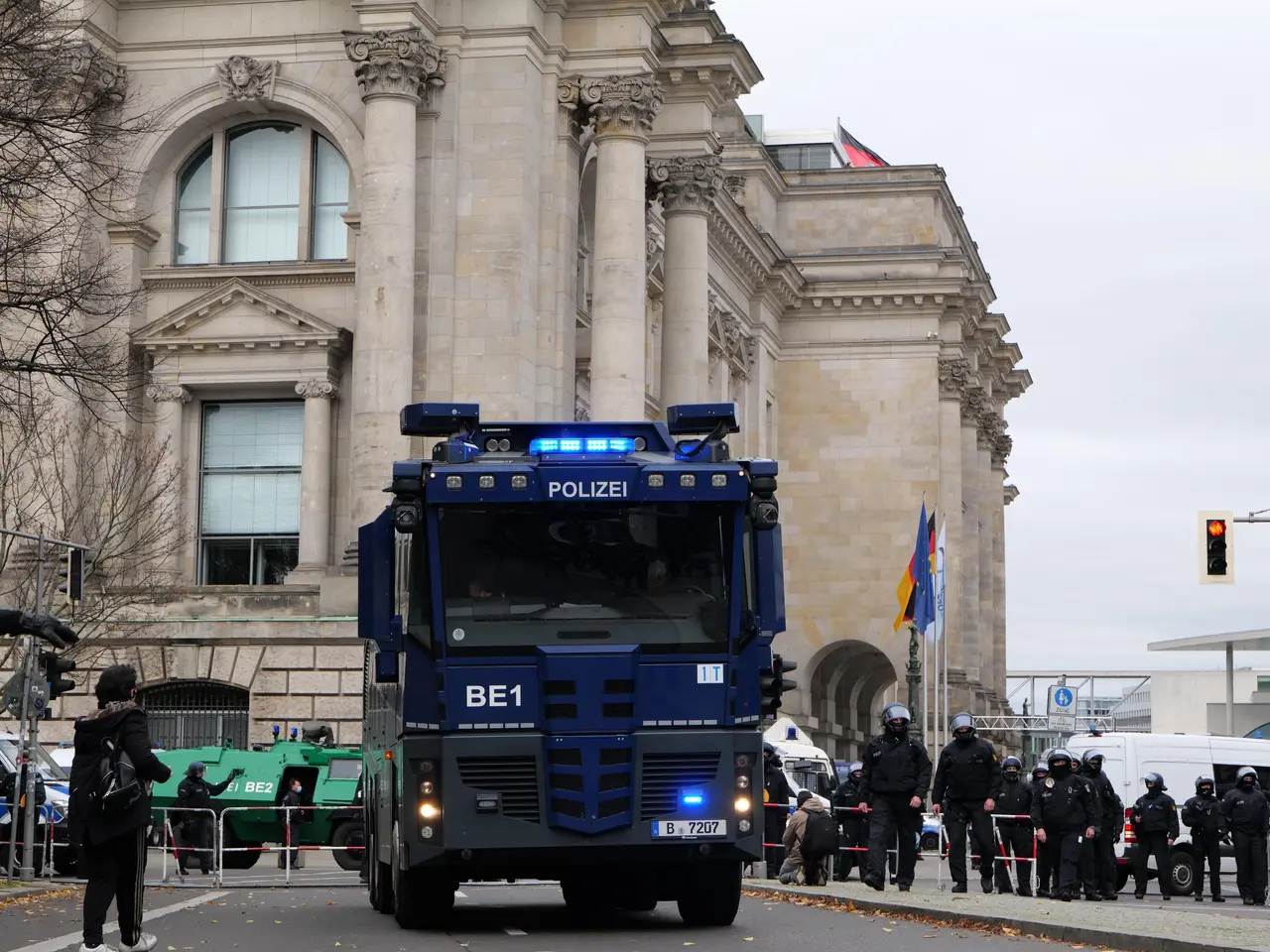
The plaintiff, who was traveling by coach from Luxembourg to Saarbrücken in June 2025, was subjected to a random identity check by federal police at a rest stop on the A8 motorway. He subsequently filed a lawsuit, arguing that the border controls violated the Schengen Borders Code, as Germany had failed to provide sufficient justification for their reintroduction and extension.
The Koblenz judges sided with the plaintiff, determining that the identity verification at the border crossing was illegal. While federal police are permitted under relevant regulations to check a person's identity to monitor cross-border traffic, this authority applies only if internal border controls have been reintroduced or extended in compliance with EU law. However, the court found that the extension of internal border controls between Luxembourg and Germany from March 16, 2025, to September 15, 2025, had violated EU regulations.
Article 25 of the Schengen Borders Code allows a member state to reintroduce or extend internal border controls only under exceptional circumstances—specifically when public order or national security faces a serious threat. The court ruled that the defendant had exceeded its discretionary powers by failing to assess the threat based on a solid factual foundation. Additionally, authorities had not adequately documented that the situation constituted a sudden development warranting the extension of controls. The ruling may be appealed before the Higher Administrative Court of Rhineland-Palatinate.
Read also:
- American teenagers taking up farming roles previously filled by immigrants, a concept revisited from 1965's labor market shift.
- Weekly affairs in the German Federal Parliament (Bundestag)
- Landslide claims seven lives, injures six individuals while they work to restore a water channel in the northern region of Pakistan
- Escalating conflict in Sudan has prompted the United Nations to announce a critical gender crisis, highlighting the disproportionate impact of the ongoing violence on women and girls.