Germany's aviation crisis deepens as fuel shortages and climate policies reshape flights
Germany’s aviation sector faces ongoing challenges as fuel supply pressures and climate concerns reshape operations. The government has stepped in to support refinery workers and secure kerosene production, while airlines adjust routes amid rising costs.
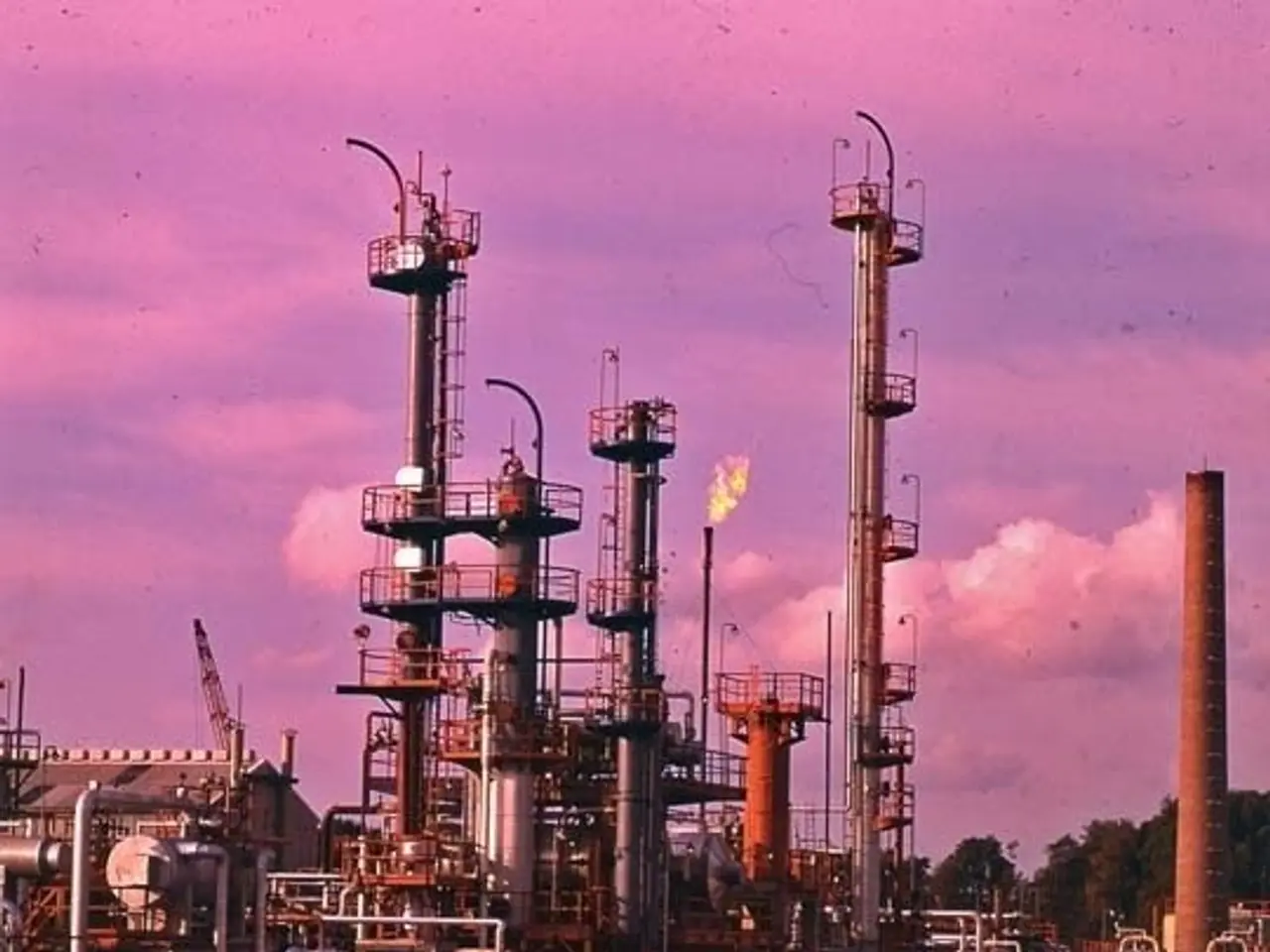
The PCK refinery in Schwedt, once reliant on Russian oil, now grapples with disrupted shipments and shifting suppliers. The PCK refinery in Schwedt was majority-owned by a German subsidiary of Rosneft until 2022. After the EU imposed an oil embargo on Russia, the facility was forced to find new suppliers. By May 2023, Russia further blocked Kazakh oil shipments, cutting off a fifth of the refinery’s processing volume.
Originally, a job guarantee for PCK employees was set to expire on June 30, 2023. Economy Minister Katharina Reiche extended this protection through the end of the year, citing geopolitical strains but expressing confidence in stabilising kerosene supplies. In 2025, German airports consumed around 9 million tons of kerosene, yet domestic refineries only produced 4.8 million tons.
Meanwhile, Lufthansa announced it would drop its short-haul route between Bremen and Frankfurt from July 1, 2023. The airline pointed to the energy crisis as a key factor. Climate activists have long pushed for bans on short-haul and domestic flights, arguing trains and other transport could replace them. To address environmental concerns, the government plans €350 million in funding for e-kerosene production starting in 2030. The refinery’s workforce remains protected for now, but long-term fuel security depends on new supply chains. Airlines continue adjusting schedules as energy costs and climate policies tighten. Funding for sustainable aviation fuel marks a step toward reducing reliance on traditional kerosene.
Read also:
- American teenagers taking up farming roles previously filled by immigrants, a concept revisited from 1965's labor market shift.
- Weekly affairs in the German Federal Parliament (Bundestag)
- Landslide claims seven lives, injures six individuals while they work to restore a water channel in the northern region of Pakistan
- Escalating conflict in Sudan has prompted the United Nations to announce a critical gender crisis, highlighting the disproportionate impact of the ongoing violence on women and girls.