Germany's economy slows as Middle East tensions and inflation weigh on businesses
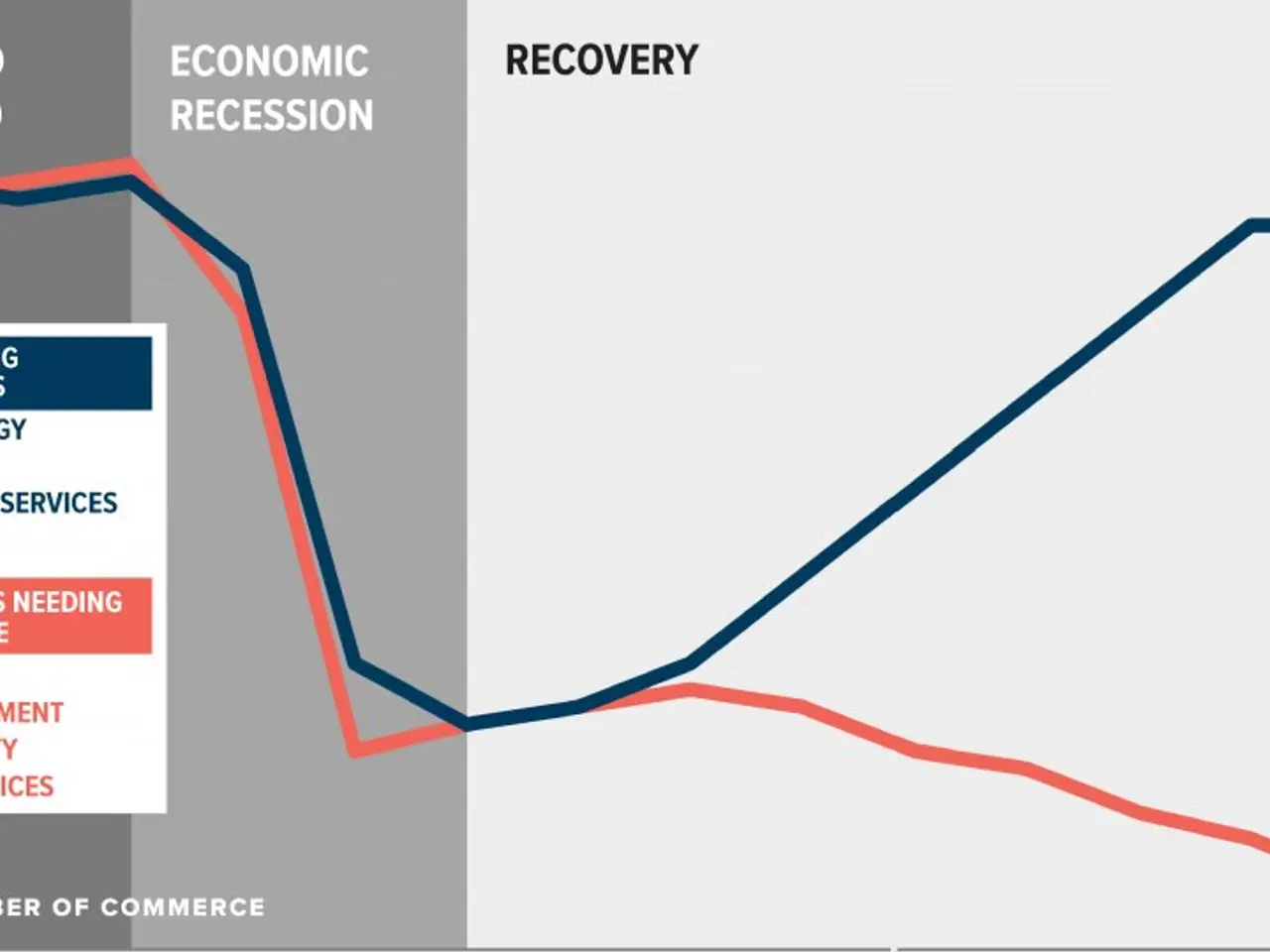
Germany’s economy showed resilience at the start of the year, despite tensions in the Middle East escalating in late February. However, by the end of the first quarter, signs of a slowdown became clearer as businesses faced growing challenges. The Federal Ministry for Economic Affairs, under Katherina Reiche, has described the overall situation as stable. Yet, concerns over rising energy and commodity prices, along with ongoing supply chain disruptions, have hit manufacturing firms hard—particularly in the chemical sector.
Business confidence has weakened since the outbreak of the Iran conflict. Inflation and uncertainty about the war’s future have reduced demand and lowered expectations, especially in domestic service industries. A temporary boost in new orders, especially for intermediate goods, was recorded in March. Officials suggest this surge may have been driven by front-loading effects, where companies placed orders early to avoid future disruptions.
The combined pressures of inflation, supply chain issues, and conflict-related uncertainty are now weighing on Germany’s economic outlook. While some sectors saw short-term gains, the broader trend points to a more cautious business environment in the coming months.
Read also:
- Federal Funding Supports Increase in Family Medicine Residency Program, Focusing on Rural Health Developments
- Potential Role of DHA in Shielding the Brain from Saturated Fats?
- Alternative Gentle Retinoid: Exploring Bakuchiol Salicylate for Sensitive Skin
- Hanoi initiates a trial program for rabies control, along with efforts to facilitate the transition from the dog and cat meat trade industry.