Germany's €20 Billion Push to Fix Failing Schools Faces Old Hurdles
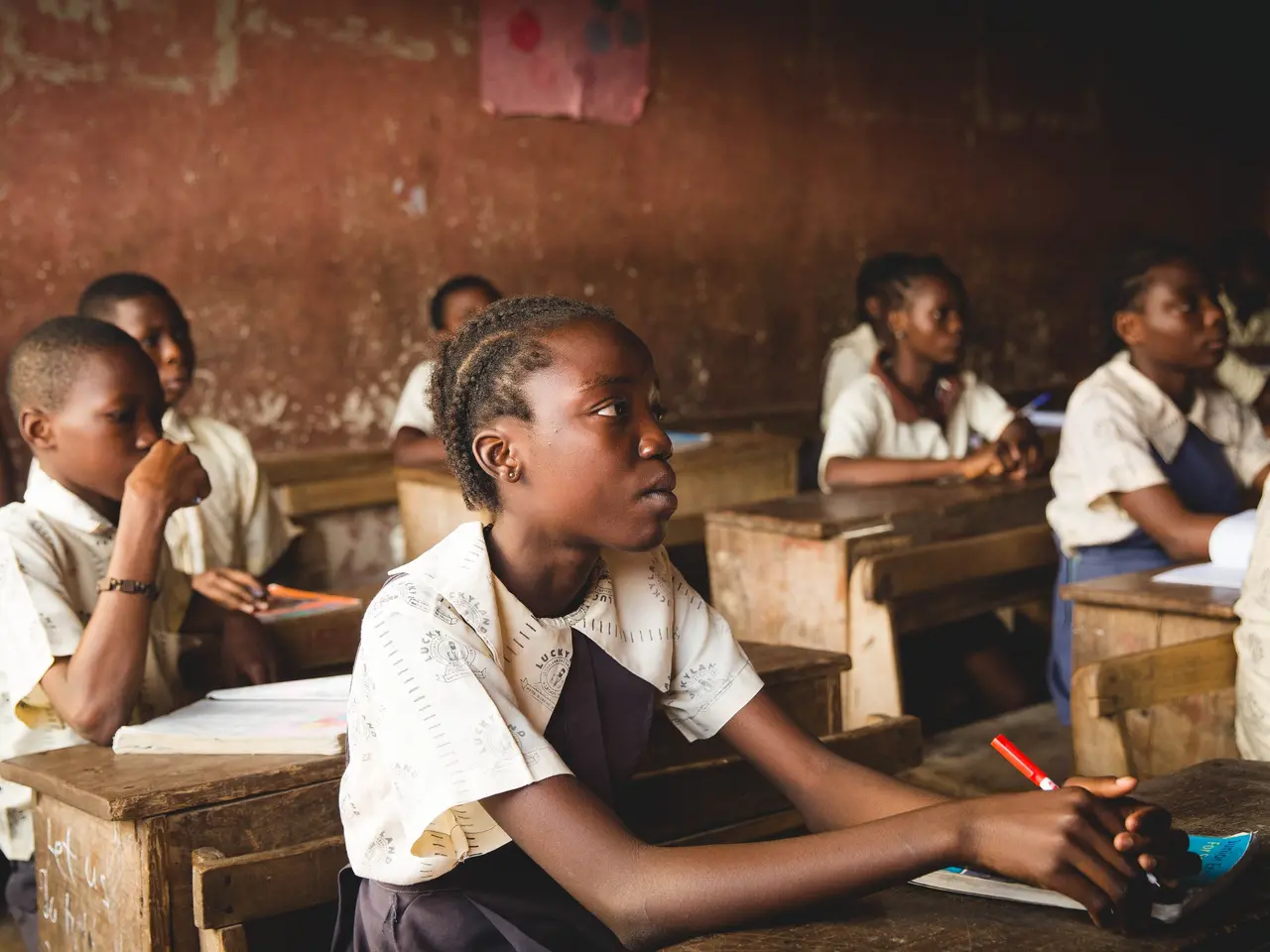
A nationwide social inclusion program launched in February 2024 aims to support 4,000 schools in disadvantaged areas. The initiative comes as Germany continues to face long-standing challenges in education, including teacher shortages and unequal opportunities for students from poorer backgrounds. The struggles of schools like Rütli Secondary in Berlin first gained national attention in 2006. Faculty published an open letter on March 30 that year, detailing a crisis marked by aggression, disrespect, and rising violence against property. Many classrooms were described as chaotic, with students openly defying teachers.
The school's difficulties reflected broader issues highlighted by the first PISA study in 2000. That report revealed poor performance among children from disadvantaged backgrounds, exposing deep inequalities in Germany's education system. Rütli later became a model for schools with high numbers of non-German-speaking students after merging with nearby institutions in 2009 to form a comprehensive Gemeinschaftsschule. Despite past efforts, the current education crisis remains tied to persistent teacher shortages, leading to widespread class cancellations. Meanwhile, Hessian state government austerity plans now threaten further cuts to comprehensive schools and social index funding. The new €20 billion program, spread over a decade, marks the latest attempt to address these challenges—but no schools have been redesigned under the old 'Rütli-ähnliche Campus' model since its introduction.
The February 2024 program allocates significant funding to improve conditions in struggling schools. However, ongoing teacher shortages and regional budget cuts continue to strain the system. The initiative's success will depend on how effectively resources reach the classrooms that need them most.
Read also:
- American teenagers taking up farming roles previously filled by immigrants, a concept revisited from 1965's labor market shift.
- Weekly affairs in the German Federal Parliament (Bundestag)
- Landslide claims seven lives, injures six individuals while they work to restore a water channel in the northern region of Pakistan
- Escalating conflict in Sudan has prompted the United Nations to announce a critical gender crisis, highlighting the disproportionate impact of the ongoing violence on women and girls.