Germany's Marriage Tax System Deepens Gender Inequality Despite Reform Calls
Germany's joint taxation system for married couples, known as Ehegattensplitting, has come under scrutiny for deepening income inequality between men and women. Critics argue that the current model disproportionately benefits higher earners—often men—while pushing many women into financial dependence or unpaid care roles. Recent calls for reform, however, have faced political resistance and bureaucratic hurdles.
The system allows couples with large income gaps to lower their overall tax burden by pooling earnings. In 2021, the top 10 percent of couples using joint taxation earned a combined €361 billion and paid over €100 billion in income tax. Meanwhile, the bottom 10 percent earned just €23.5 billion, with tax payments of around €360 million. This disparity has led to warnings about its long-term effects, including a higher risk of poverty among elderly women.
An alternative, the factor procedure, distributes tax savings more fairly by splitting them in proportion to each partner's income share. This method usually favours women but remains rarely used. Since its introduction in 2013, only about 1,200 couples had opted for it by the end of 2025. In 2023 alone, just 80,000 couples—0.776 percent of working married or registered partners—chose this option. Many cite lack of awareness, complex paperwork, and strict eligibility rules as barriers.
The previous traffic-light coalition government had considered making the factor procedure the default choice but abandoned plans before the alliance collapsed. Women's Affairs Minister Karin Prien later proposed shifting to a family splitting model, yet her own party resisted the idea. Meanwhile, the SPD-led Finance Ministry dismissed reform discussions, stating that no assessment of the system's impact on the gender pay gap was planned.
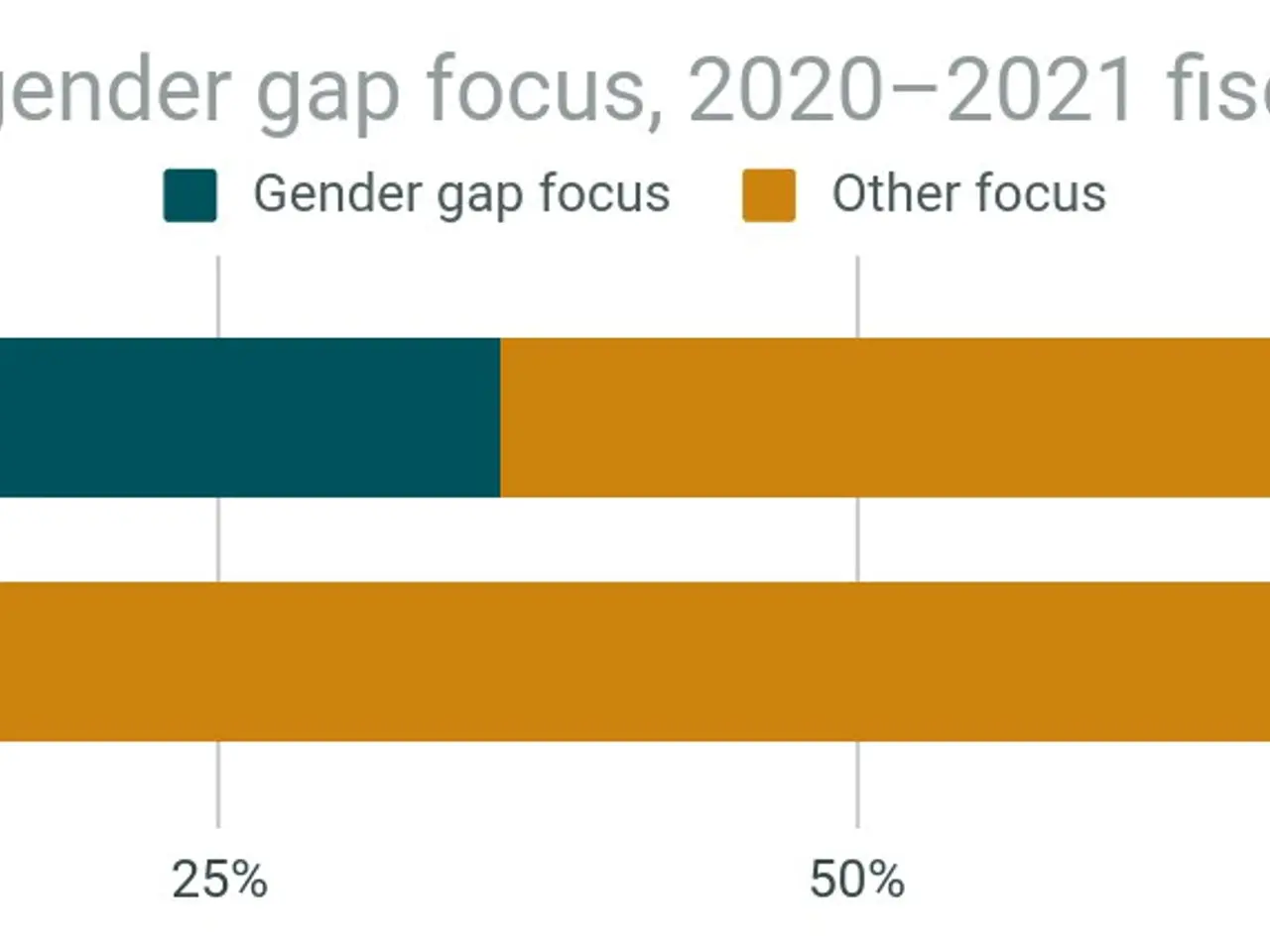
Without changes, the current system continues to reinforce financial inequality within marriages. Low uptake of the factor procedure and political inaction leave many women at a disadvantage, particularly in later life. For now, the debate over reform remains stalled, with no immediate solutions in sight.
Read also:
- American teenagers taking up farming roles previously filled by immigrants, a concept revisited from 1965's labor market shift.
- Weekly affairs in the German Federal Parliament (Bundestag)
- Landslide claims seven lives, injures six individuals while they work to restore a water channel in the northern region of Pakistan
- Escalating conflict in Sudan has prompted the United Nations to announce a critical gender crisis, highlighting the disproportionate impact of the ongoing violence on women and girls.