Germany's public sector workers secure multi-year wage increases after union deal
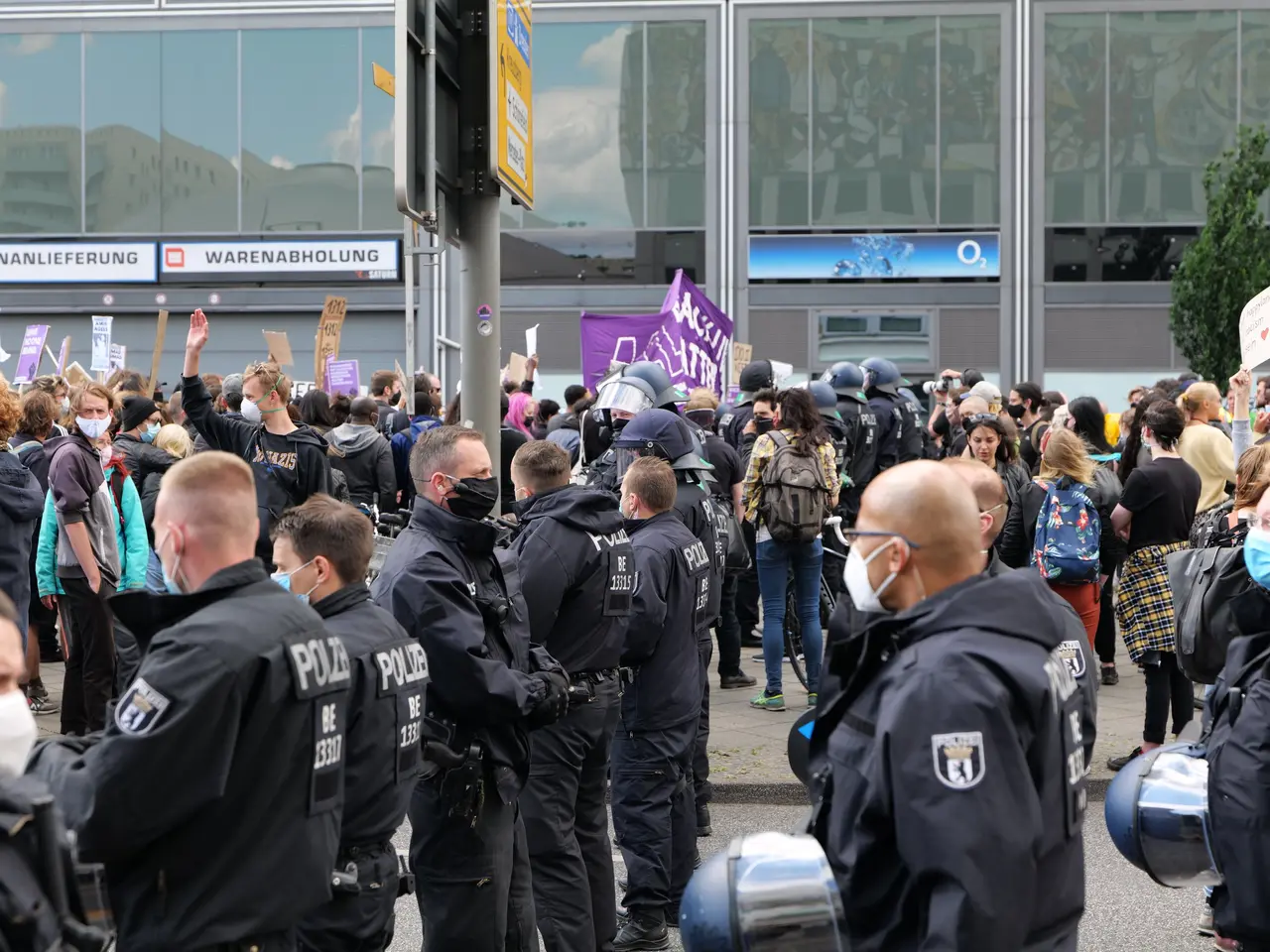
Public sector workers in Germany’s federal states will see their wages rise after a new pay deal was agreed. The ver.di trade union negotiated the agreement following a series of warning strikes. The changes will affect salaries, allowances, and student worker pay over the next five years. The deal begins with a 2.8% wage increase from April 1, 2023. Every employee will receive at least €100 more per month. Entry-level salaries for junior staff will also go up in three stages, adding a total of €150.
Shift and rotating shift allowances will be raised as part of the agreement. For student workers, the minimum hourly wage will rise to €15.20 in the 2026 summer semester. A further increase to €15.90 will follow in the 2027 summer semester.
Additional pay hikes are planned for the coming years. A 2.0% rise will take effect from March 1, 2027. Another 1.0% increase will be applied from January 1, 2028. However, state representatives rejected a full collective bargaining agreement for student workers.
Before the deal is finalised, it must be approved by union members in a vote. The agreement secures gradual pay rises for public sector staff and student workers. The first increase begins in April 2023, with further adjustments scheduled until 2028. The final decision now rests with union members, who will vote on the proposed terms.
Read also:
- American teenagers taking up farming roles previously filled by immigrants, a concept revisited from 1965's labor market shift.
- Weekly affairs in the German Federal Parliament (Bundestag)
- Landslide claims seven lives, injures six individuals while they work to restore a water channel in the northern region of Pakistan
- Escalating conflict in Sudan has prompted the United Nations to announce a critical gender crisis, highlighting the disproportionate impact of the ongoing violence on women and girls.