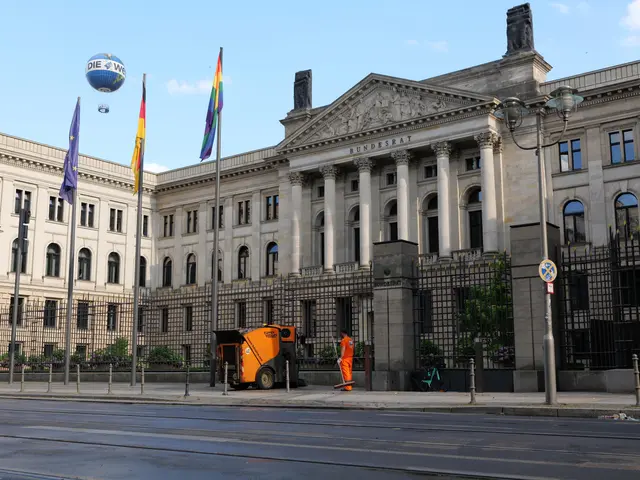
Berlin. Economist Jens Südekum expects higher taxes on top earners to be essential for offsetting the costs of an income tax reform. "A realistic option for financing this reform is raising top and wealth tax rates," Südekum writes in a guest article for Handelsblatt (Wednesday edition). He argues this step is "absolutely necessary" if the planned relief is to remain focused on low and middle incomes.
Germany's tax reform debate heats up as economist backs higher taxes on top earners
Südekum serves as chief advisor to Finance Minister Lars Klingbeil (SPD). He justifies his proposal by pointing to the strained budget situation, warning that lowering income tax rates in the lower brackets would reduce revenue. "But we must also be honest: these measures alone will not be enough to cover the costs," he writes, referring to potential growth effects from the reform.
At the same time, Südekum dismisses blanket calls for austerity as insufficient. He argues that claims about offsetting tax shortfalls through cuts to subsidies and administrative costs are unrealistic. "Because saving always means making concrete choices," he states, noting that a list of specific additional savings measures has yet to materialize.
The economist also rejects the argument that higher taxes on high incomes would unfairly burden sole proprietors and partnerships. He points out that these businesses already have the option to be taxed as corporations under the existing "option model," and the government could further simplify this transition to reduce bureaucracy.
Read also:
- American teenagers taking up farming roles previously filled by immigrants, a concept revisited from 1965's labor market shift.
- Weekly affairs in the German Federal Parliament (Bundestag)
- Landslide claims seven lives, injures six individuals while they work to restore a water channel in the northern region of Pakistan
- Escalating conflict in Sudan has prompted the United Nations to announce a critical gender crisis, highlighting the disproportionate impact of the ongoing violence on women and girls.