Greece braces for 550,000 migrants as Libya crossings surge
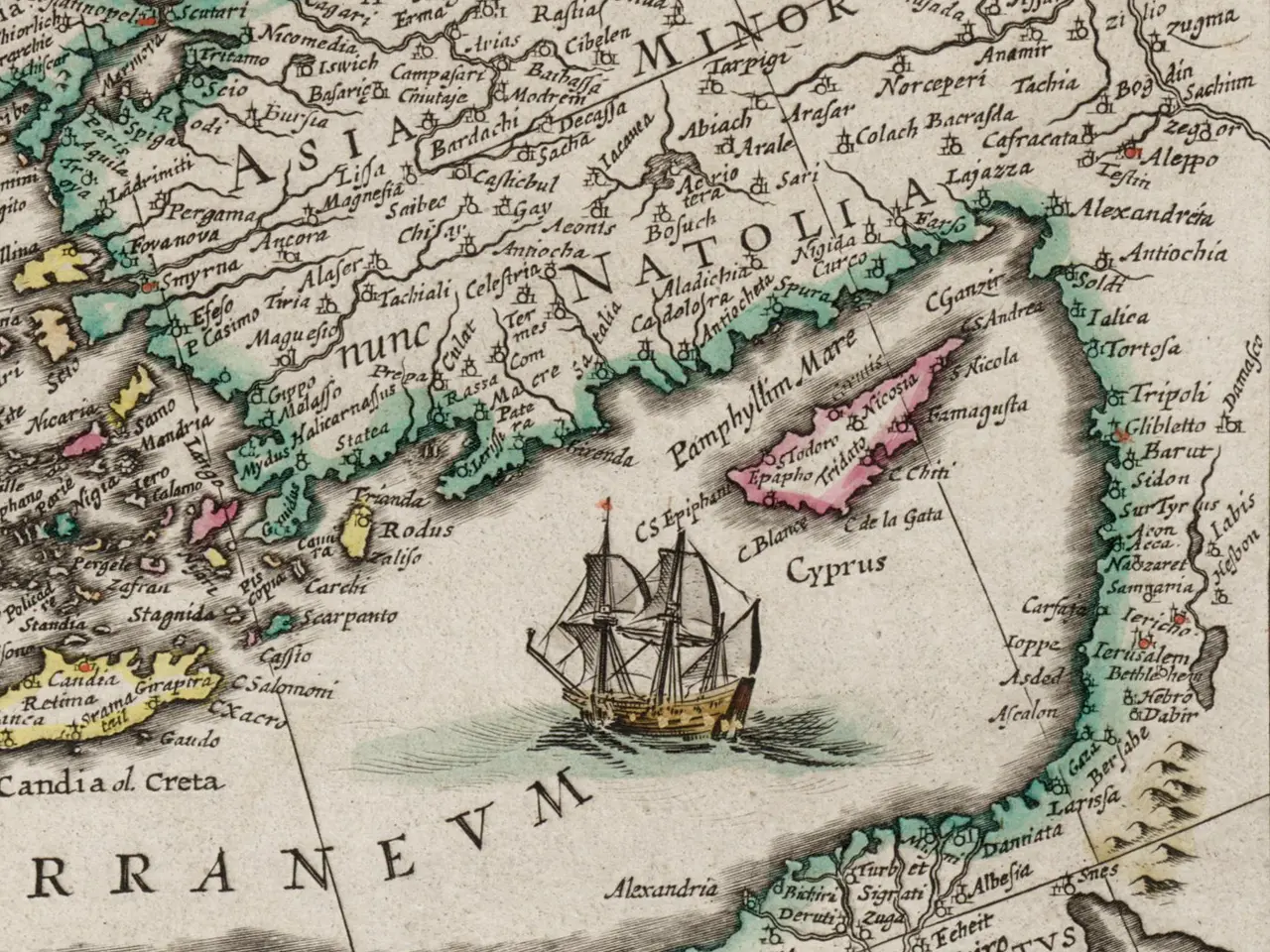
Greece is facing a growing challenge as thousands of migrants and refugees gather in Libya, ready to cross the Mediterranean. Migration Minister Thanos Plevris has warned that around 550,000 people are waiting to make the dangerous journey. Authorities are now stepping up efforts to prevent departures and strengthen border controls. Libya remains a key hub for people-smuggling networks, with the International Organisation for Migration (IOM) estimating over 800,000 migrants in the country by 2025. Recently, Crete has become Greece’s busiest entry point for irregular arrivals, as crossings from Libya surge. Meanwhile, arrivals via the eastern Aegean route from Turkey have dropped sharply.
Greek authorities have intensified coast guard operations, rescuing and intercepting overcrowded boats. The government is also collaborating with Frontex and Libyan officials to disrupt smuggling activities before departures occur. Plevris has made it clear that Greece will not open its borders, insisting on a strict approach to irregular migration.
The minister stressed that those not entitled to asylum will be detained and returned where possible. His comments underline Greece’s determination to control migration flows while addressing humanitarian concerns. With hundreds of thousands of migrants waiting in Libya, Greece is reinforcing its borders and working with international partners to curb illegal crossings. The focus remains on deterring smugglers and processing asylum claims efficiently. Those deemed ineligible for protection will face detention and potential return.
Read also:
- American teenagers taking up farming roles previously filled by immigrants, a concept revisited from 1965's labor market shift.
- Weekly affairs in the German Federal Parliament (Bundestag)
- Landslide claims seven lives, injures six individuals while they work to restore a water channel in the northern region of Pakistan
- Escalating conflict in Sudan has prompted the United Nations to announce a critical gender crisis, highlighting the disproportionate impact of the ongoing violence on women and girls.