Halle-Neustadt's €2M arena upgrade divides politicians over costs and risks
Plans to Overhaul Halle-Neustadt's SWH Arena Spark Political Controversy
A sweeping modernization of the SWH Arena in Halle-Neustadt has ignited fierce debate. While city officials argue the project is essential for professional sports, the CDU faction is calling for fiscal restraint and questioning whether the multimillion-euro investment is justified.
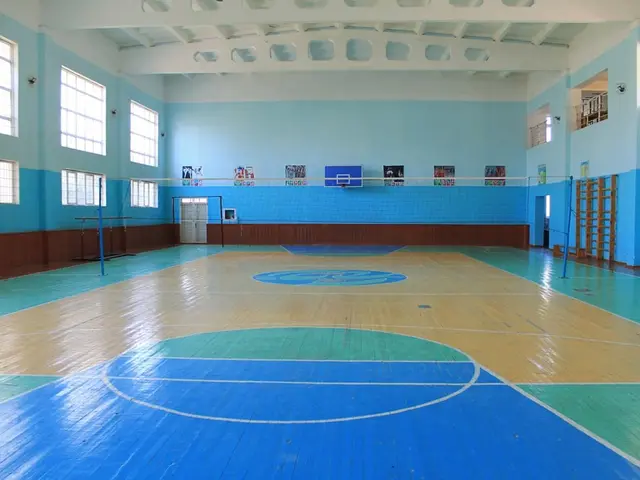
Around €2 million is on the table. Under the city's proposal, the arena's capacity would rise from the current 1,200 to 1,500 spectators. The centerpiece of the upgrade is a state-of-the-art glass sports floor, which would elevate the facility to international standards. The costs would be borne by Bäder Halle GmbH, a subsidiary of the municipal utility company. Though the financial committee cleared the first hurdle (six votes in favor, four abstentions), the real debate has only just begun.
CDU Warns of Financial Risks
CDU city councilor Christoph Bergner struck a cautious note in the committee meeting. While acknowledging the desire for modern sports facilities, he pointed bluntly to Halle's precarious financial situation. "We have a responsibility to our budget planning," Bergner emphasized.
The CDU is particularly critical of the cost-benefit ratio. Bergner cited the current league standings of the GISA LIONS MBC women's basketball team, warning that if the first-division side were relegated, the entire investment could become obsolete. He drew a stark comparison to the men's handball team in Magdeburg (SCM), where revenues are strong enough to cross-subsidize grassroots sports—a model he does not see replicated in Halle. With three Bundesliga teams based in the city, Bergner argued that none carry the same economic clout as "prestigious men's handball."
Administration: "Retain Anchor Tenants, Prevent Exodus"
Aurel Siegel, head of the city's sports department, pushed back firmly. He dismissed claims that individual sports were being neglected, pointing to major projects like the new athletics hall. Still, he argued, team sports are a key draw for spectators, and the city must create the right conditions to support them.
The SWH Arena serves as Halle's "premier sports venue," Siegel stressed. Without the planned upgrades, the city risks a major competitive disadvantage: - Women's handball (Wildcats): The league already requires 1,500 seats—a threshold the arena currently fails to meet, forcing the club to pay fines. - Women's basketball (Lions): Similar minimum standards are imminent. - Men's volleyball (Volley Goats): The city anticipates stricter licensing rules in the long term.
The central question in the upcoming city council sessions will be how much Halle is willing to invest in its "sporting showcase." The administration has issued a clear warning: if conditions are not improved, the Bundesliga teams could leave. For fans, that would be a bitter blow; for critics like Bergner, it is a matter of proportion in an era of tight budgets.
Read also:
- American teenagers taking up farming roles previously filled by immigrants, a concept revisited from 1965's labor market shift.
- Weekly affairs in the German Federal Parliament (Bundestag)
- Landslide claims seven lives, injures six individuals while they work to restore a water channel in the northern region of Pakistan
- Escalating conflict in Sudan has prompted the United Nations to announce a critical gender crisis, highlighting the disproportionate impact of the ongoing violence on women and girls.