Halle's Quattro Patrol unites forces to tackle rising station crime
Halle's Central Station: More Than a Transport Hub—Now a Model for Urban Security
Halle's historic main railway station is far more than just a rail transit hub. As the gateway to the city and one of Saxony-Anhalt's busiest public spaces, it serves as a calling card for travelers, commuters, and tourists alike. Yet recent crime statistics cast a shadow over this landmark: last year, a total of 2,024 offenses were recorded in and around the station—a troubling increase of 313 cases compared to the previous year. In response, authorities are now launching a nationally watched cooperation model. On Friday, the official kickoff took place for the so-called "Quattro Patrol", designed to usher in a new standard of safety.
Behind the stark figure of over two thousand incidents lies a broad spectrum of challenges. The issue extends beyond serious crime to what experts describe as a decline in quality of life in public spaces. Petty crime, violent offenses, and an increasingly aggressive tone in everyday interactions have become the norm. Karsten Kammler, station manager for DB InfraGO AG, emphasizes that in recent years, the threshold for disrespect toward service staff and security personnel has noticeably lowered. A well-lit, architecturally impressive building alone is no longer enough to counter this trend. What's needed is a human element—a visible, proactive presence that reassures citizens the rule of law is firmly in place, both inside and beyond the station.
Four Partners, One Mission: Seamless Competence
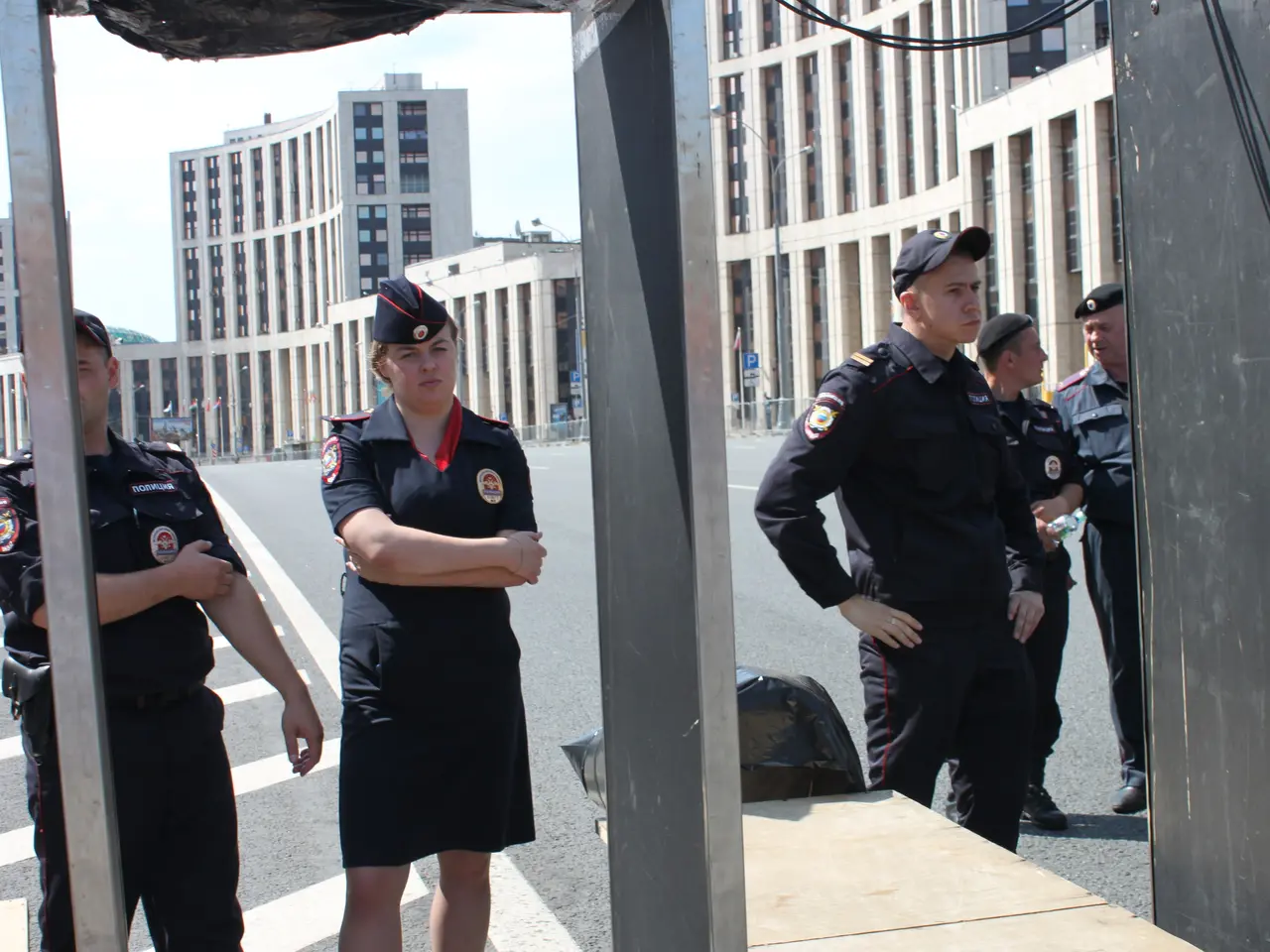
What sets this new initiative apart is its organizational structure. Until now, effective crime prevention often faltered at the invisible boundaries of jurisdiction. While DB Sicherheit enforces house rules on railway property, the Federal Police handle rail policing duties, and state police along with the city's regulatory office are responsible for the surrounding public areas. The Quattro Patrol now merges these competencies into a single operational unit. Officers from the Federal and State Police patrol side by side with municipal enforcement officers and DB Sicherheit staff. This integrated approach ensures that legal hurdles in emergency responses are overcome instantly, as the right specialist for any given situation is always on site.
The Power of Combined Authority
Stephan John, head of DB Sicherheit's Southeast regional division, calls the project a "tremendous relief" for daily operations. One persistent issue in the past was identity verification: while DB Sicherheit could issue trespassing bans, it lacked the authority to demand ID checks, often leading to delays while waiting for police backup. With the Quattro Patrol, those delays are now a thing of the past. The team operates "as a single, cohesive unit," as station manager Kammler puts it. Like the precision gears of a well-oiled machine, their combined authorities amplify the impact of every patrol.
Riebeckplatz and the Social Fabric of Security
A key focus of the collaboration is the area surrounding the station, particularly Riebeckplatz. As one of Saxony-Anhalt's busiest transit intersections, it bridges long-distance travel and urban life. Petra Paulick, the chief criminal director of Halle's police precinct, notes that public perception of safety here has suffered in recent years. The area around the former Maritim Hotel, in particular, had become a hotspot for drug trafficking. Thanks to the reinforced presence and close coordination among partners, significant improvements have already been achieved. The message to residents is clear: safety is a collective responsibility that doesn't end at curb edges or station doors.
A Sustainable Drive for the City's Future
Tobias Teschner of Halle's public order office draws a vivid analogy from the automotive world to illustrate the nature of the cooperation. Here, the term "Quattro" doesn't just refer to the number of institutions involved—it represents an all-wheel-drive system, where each wheel acts as an active engine for public safety. Despite advancing digitization and modern investigative techniques, he emphasizes that direct engagement with people and early detection of disruptions in public spaces remain indispensable.
Halle is following the example set by cities like Leipzig and Dresden but tailoring the approach to fit local conditions. Though patrols are deployed not on a rigid schedule but flexibly, based on real-time needs, this Friday marks the start of a new era in collaborative law enforcement—a model that Magdeburg is expected to adopt soon.
Read also:
- American teenagers taking up farming roles previously filled by immigrants, a concept revisited from 1965's labor market shift.
- Weekly affairs in the German Federal Parliament (Bundestag)
- Landslide claims seven lives, injures six individuals while they work to restore a water channel in the northern region of Pakistan
- Escalating conflict in Sudan has prompted the United Nations to announce a critical gender crisis, highlighting the disproportionate impact of the ongoing violence on women and girls.