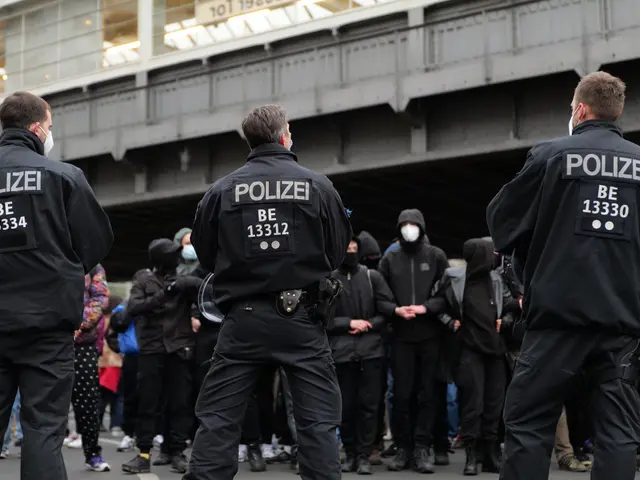
Hanau attack remembered six years later as activists demand justice
Sixth Anniversary of Hanau Racist Attack: Protests Planned in Halle
This coming Thursday marks the sixth anniversary of the racist attack in Hanau. In response, the Solidarity Network Halle has called for a demonstration at 6 p.m. at Leipziger Turm. The event aims to honor the victims, critically examine the background of the crime, and send a clear message against racism and far-right violence.
The Hanau Attack
On February 19, 2020, a known far-right extremist with a police record shot and killed nine people at multiple locations in Hanau, targeting them because of their migrant backgrounds. After the rampage, he murdered his mother before taking his own life.
On January 10, 2026, Ibrahim Akkuş died from long-term injuries sustained in the attack. He had been shot six times during the night of the massacre. Six years later, the death toll continues to rise.
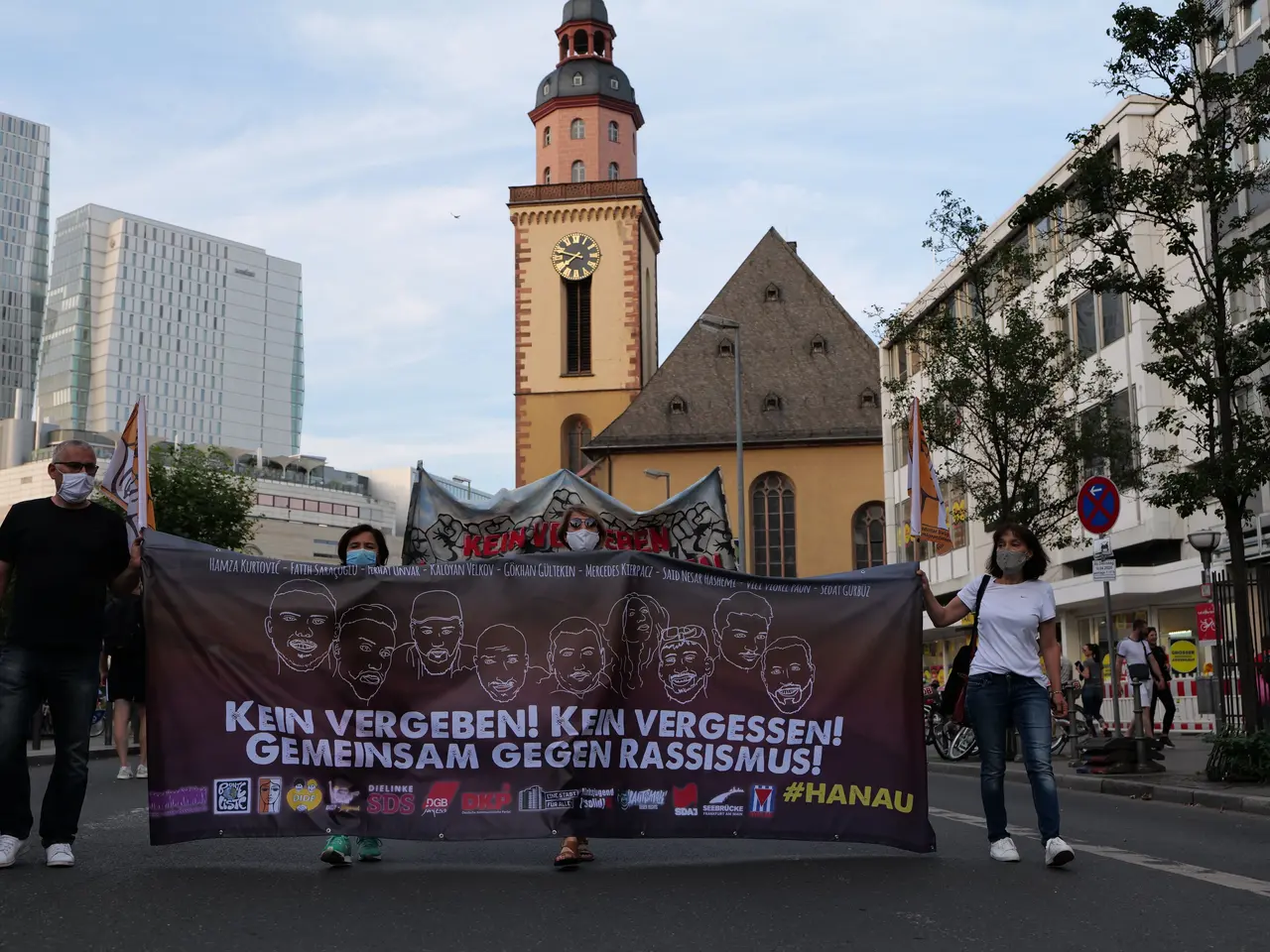
The names of those murdered remain both a warning and a call to action: Gökhan Gültekin, Sedat Gürbüz, Said Nesar Hashemi, Mercedes Kierpacz, Hamza Kurtović, Ferhat Unvar, Kaloyan Velkov, Vili Viorel Păun, and Fatih Saraçoğlu. The phrase "Say their names" has long since become an international rallying cry against forgetting.
Criticism of Authorities and Security Failures
In its call to action, the Solidarity Network highlights numerous failures by authorities. The perpetrator had openly spread his racist and conspiracy-fueled ideologies online before the attack, yet no effective measures were taken to stop him.
Serious errors also occurred on the night of the attack: Hanau's emergency police line was temporarily unreachable. Later investigations revealed deeper structural flaws. Particularly alarming was the dissolution of Frankfurt's Special Deployment Commando (SEK) in 2021 after multiple officers were exposed for their involvement in far-right chat groups and networks. Thirteen of those officers had been deployed in Hanau on February 19, 2020.
Against this backdrop, the demonstration's organizers pose a fundamental question: Who protects victims of far-right violence when state institutions themselves are infiltrated by far-right ideologies?
"We Must Organize Ourselves"
The Solidarity Network's answer is clear: self-organization, solidarity, and relentless resistance against far-right structures. They demand "zero tolerance for far-right violence, propaganda, and Nazi networks in our neighborhoods." Racist and fascist violence, they argue, must be combated before it takes root.
Thursday's demonstration at 6 p.m. at Leipziger Turm in Halle will provide a space for remembrance, dialogue, and political protest. Speakers from migrant communities and solidarity initiatives are expected to address the crowd.
Read also:
- American teenagers taking up farming roles previously filled by immigrants, a concept revisited from 1965's labor market shift.
- Weekly affairs in the German Federal Parliament (Bundestag)
- Landslide claims seven lives, injures six individuals while they work to restore a water channel in the northern region of Pakistan
- Escalating conflict in Sudan has prompted the United Nations to announce a critical gender crisis, highlighting the disproportionate impact of the ongoing violence on women and girls.