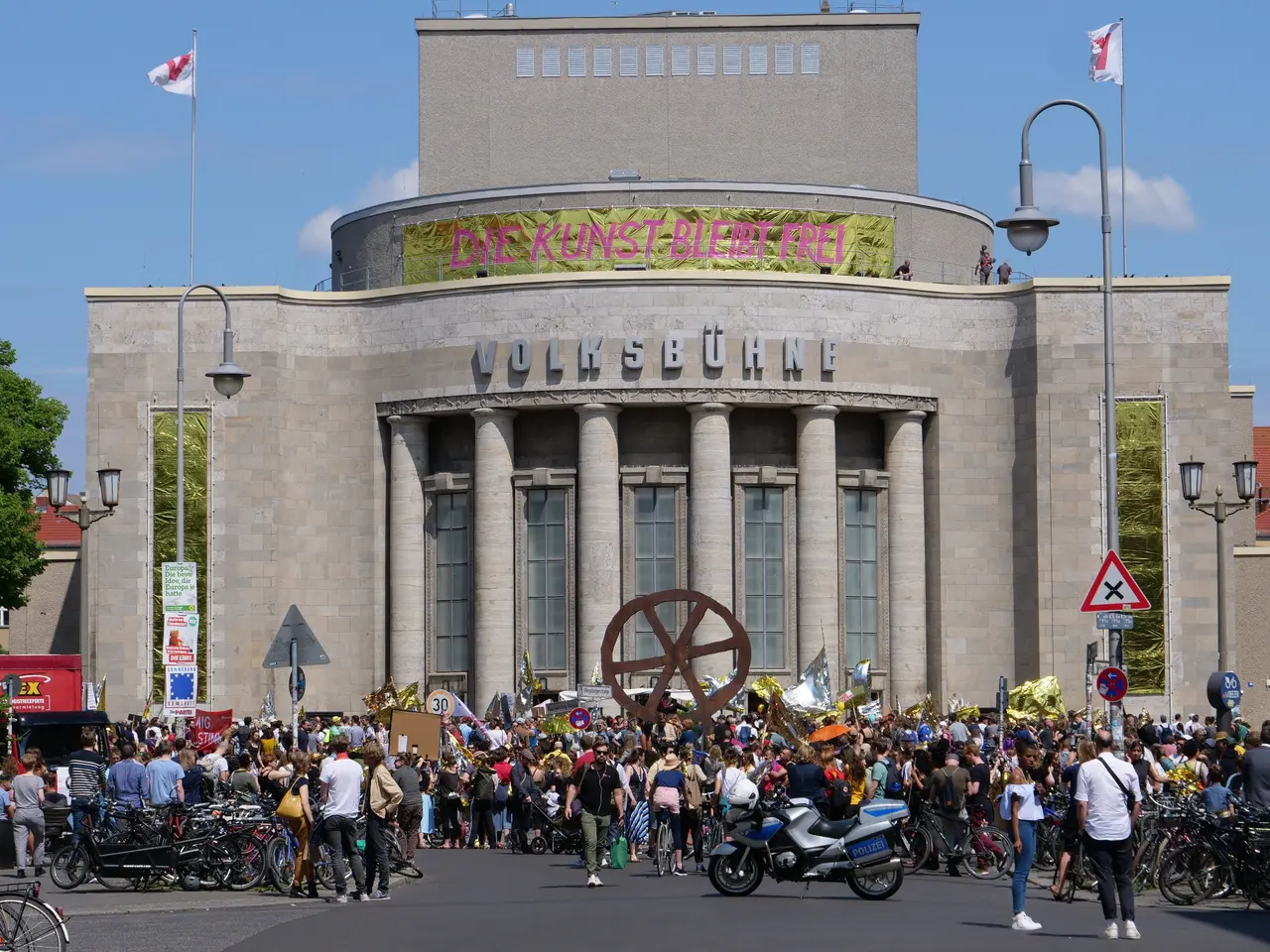
Earthquake Meter of World Events: More Protests in Hesse - Hesse sees record surge in protests as political unrest grows
Protests Surge in Hesse's Cities: Why More People Are Taking to the Streets—and What It Means for Police
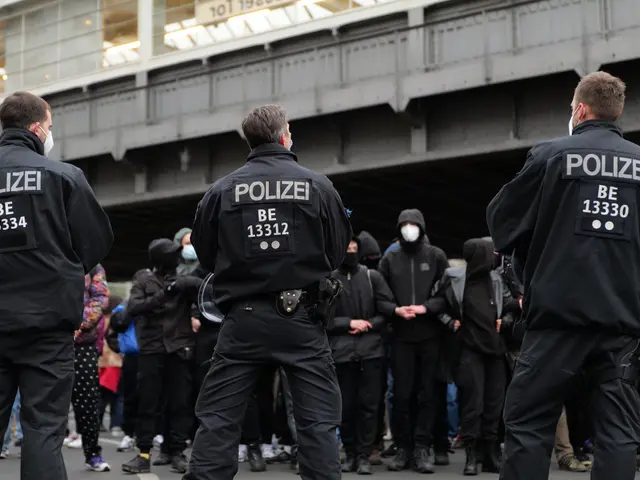
Whether driven by the situation in Iran, pro-Kurdish demonstrations, or local issues like traffic and housing, the number of rallies and protests is rising sharply in many of Hesse's cities. The state's Interior Ministry in Wiesbaden does not provide statewide figures on exact numbers, but officials confirm: "What is clear is that public assemblies have increased significantly in recent years." This surge has led to a substantial strain on police personnel and resources.
Protests as a Barometer of Global Politics
"Public demonstrations act like a seismograph for political events worldwide," explains Hesse's Interior Minister Roman Poseck (CDU). "What happens here or abroad often plays out on our streets. This was especially evident during the coronavirus pandemic and the Middle East conflict, and we're seeing it now with developments in Iran."
Frankfurt Leads the Way: Nearly 3,000 Protests in One Year
In Hesse's largest city, Frankfurt, authorities recorded 2,904 demonstrations, rallies, or vigils last year, according to the public order office. "This not only exceeds the previous year's figure by nearly 27 percent but nearly doubles the number of assemblies over the past five years," officials stated.
Frankfurt ranks among the top cities nationwide in per capita protest activity. Of the registered events, 2,491 actually took place—about 20 percent more than the previous year and the second-highest number after 2023 (2,515). "In terms of population size, Frankfurt holds a leading position in Germany," officials noted.
The range of protest themes was exceptionally broad, the public order office said. "Local issues like Frankfurt's traffic and housing situation were key concerns, alongside national and global political topics that mobilized large numbers of people."
Rising Numbers in Darmstadt and Kassel
Darmstadt has also seen a steady increase in protests. While there were 343 in 2022, the number rose continuously in subsequent years, reaching 487 last year, a spokesperson confirmed.
In Kassel, the number of registered assemblies climbed from 372 in the pandemic year of 2021 to 458 last year—a total increase of around 23 percent, according to a city spokesperson. "The growing number of protests presents challenges in coordinating high-demand locations, such as Königsplatz," the spokesperson explained. However, these issues are typically resolved through early and cooperative planning with organizers.
Why Are More People Protesting?
Frankfurt-based protest researcher Claudius Wagemann attributes the high numbers to both substantive and strategic factors. On one hand, he says, "some citizens believe political leaders are no longer fully capable of addressing their concerns." On the other, demonstrations are increasingly seen as an effective tool for gaining attention. "Protests generate a different kind of media coverage and public visibility than, say, debate clubs. The goal is to create a public platform."
"With society facing multiple crises simultaneously, we've seen an unprecedented diversity of protests on our streets in recent years," Interior Minister Poseck observes.
The reasons are complex: "Economic pressures, geopolitical conflicts, ongoing wars, and the growing radicalization of political extremes all contribute to this broad protest landscape," Poseck says. "We are currently in an extraordinary period of upheaval. People are grappling with multiple uncertainties at once, and many are using public assemblies as a way to voice their concerns."
Mass Protests in Gießen in November 2025 Required Costly Police Operations
Some of the largest demonstrations in recent years took place in Gießen in November 2025, triggered by the founding of the far-right AfD's youth wing. On November 29, around 25,000 people protested against the AfD and its new youth organization—most of them peacefully. However, clashes also broke out between demonstrators and police. According to the latest figures from the Interior Ministry, the operation cost at least five million euros.
"These situations demand a major deployment of resources, a high level of professionalism, and tremendous resilience," Poseck said. He noted that public assemblies place immense organizational, physical, and mental strain on emergency responders, yet they remain an indispensable part of democracy.
Protest Researchers: More Demonstrations—but Smaller Than Ever
Political scientist Claudius Wagemann of Frankfurt's Goethe University has observed a growing fragmentation of protests. "I think we're seeing more demonstrations—but they're also getting smaller," he said. This trend is visible on weekends in shopping districts, for example, "where you might see ten people with a megaphone and twenty police officers."
Of course, in a democracy, we must ask: How much is the right to protest worth? "And the answer is: a great deal. We provide police support, we accept road closures—these are the costs we bear," Wagemann explained. When he hears people claim they can no longer express their opinions, he can only shake his head. "What we're seeing on the streets is the exact opposite."
Read also:
- American teenagers taking up farming roles previously filled by immigrants, a concept revisited from 1965's labor market shift.
- Weekly affairs in the German Federal Parliament (Bundestag)
- Landslide claims seven lives, injures six individuals while they work to restore a water channel in the northern region of Pakistan
- Escalating conflict in Sudan has prompted the United Nations to announce a critical gender crisis, highlighting the disproportionate impact of the ongoing violence on women and girls.