How a 1931 Soviet village built its first road with 1.57 million rubles
In May 1931, a small but growing settlement called Nagayevo made plans to improve its transport links. A meeting of the local council approved funds for a temporary road, aiming to connect the village with Bokhancha. The project reflected the community’s efforts to support its 500 residents and expanding infrastructure.
On May 12, 1931, the Presidium of the Nagayevo Village Council gathered for a key discussion. The group included 30 representatives from six sectors: public amenities, healthcare, workers’ and peasants’ inspection, cultural and educational affairs, cooperatives, and state credit. Their focus was on reviewing an industrial and financial plan for the area.
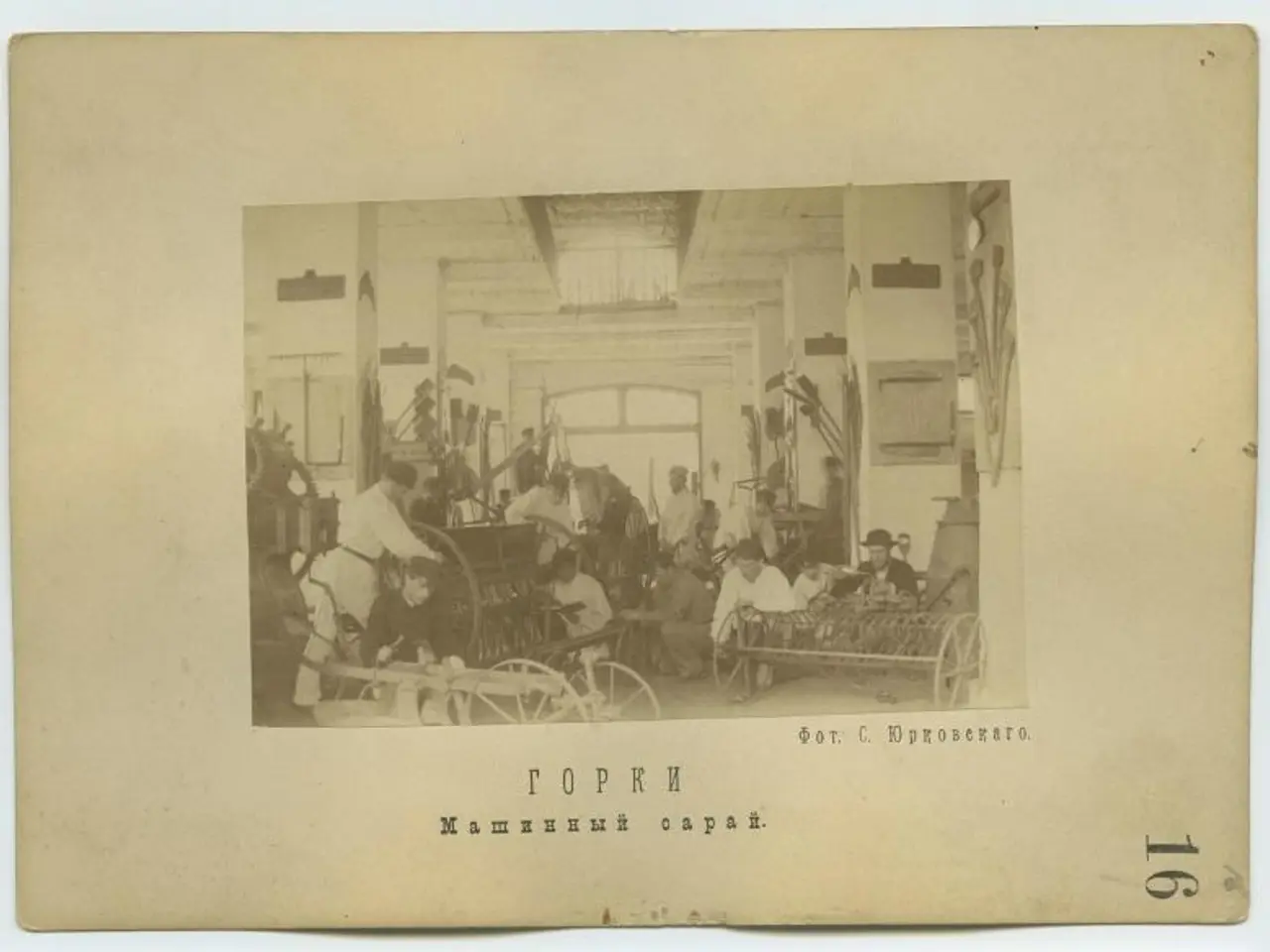
One of the plan’s major decisions was allocating 1.57 million rubles to build a temporary road. Stretching between 450 and 480 kilometres, the route would be just four metres wide. Its purpose was clear—facilitating freight transport in winter via horse-drawn carts and tractors, while wagons would use it in summer. At the time, Nagayevo was a modest but organised settlement. It had 84 buildings, including 50 homes, a school, a hospital, and a two-storey Sovtorgflot house. Other structures included three bathhouses, 13 warehouses, three shops with storage, six dugouts, and five stables. The population stood at 500, with 60 of them children.
The approved road project marked a step toward better connectivity for Nagayevo. With funding secured, construction could begin on a route designed to support both seasonal trade and local movement. The decision also highlighted the village’s push to develop despite its remote location and limited resources.
Read also:
- American teenagers taking up farming roles previously filled by immigrants, a concept revisited from 1965's labor market shift.
- Weekly affairs in the German Federal Parliament (Bundestag)
- Landslide claims seven lives, injures six individuals while they work to restore a water channel in the northern region of Pakistan
- Escalating conflict in Sudan has prompted the United Nations to announce a critical gender crisis, highlighting the disproportionate impact of the ongoing violence on women and girls.