The Pros and Cons of Lobbying
How Germany's lobbying register is reshaping political transparency
Lobbying has both advantages and disadvantages that shape political processes. On the positive side, lobbyists bring expert knowledge to decision-making. Their arguments are often backed by solid data and industry experience, helping policymakers craft more effective laws and regulations. In this way, lobbying can lead to better-informed and more impactful political decisions.
On the other hand, lobbying can also intensify political pressure—especially when individuals or groups push their interests with substantial financial resources. This practice risks distorting the democratic process, as not all interests receive equal representation. In some cases, it may even threaten jobs if companies resort to tactics like supply boycotts or strikes to enforce their demands.
Overall, assessing lobbying requires a nuanced examination of its benefits and drawbacks to uphold the integrity of political decision-making.
The Role of the Lobbying Register
Germany's lobbying register plays a central role in interest representation, particularly since its introduction in January 2022. Serving as a transparency registry, it requires lobbyists seeking to influence the federal government or Bundestag's policy decisions to register. This mandatory registration aims to make legislative processes more open and traceable. Under the Lobbying Act (Lobbyregistergesetz, LobbyRG), employees of registered organizations must disclose their lobbying activities, giving civil society greater insight into political influence. This not only strengthens public trust in institutions but also fosters informed debate about lobbyists' role in lawmaking. By establishing clearer regulations, the register seeks to minimize the risks of undue influence while ensuring more accountable interest representation.
Lobbying Across Different Countries and Regions
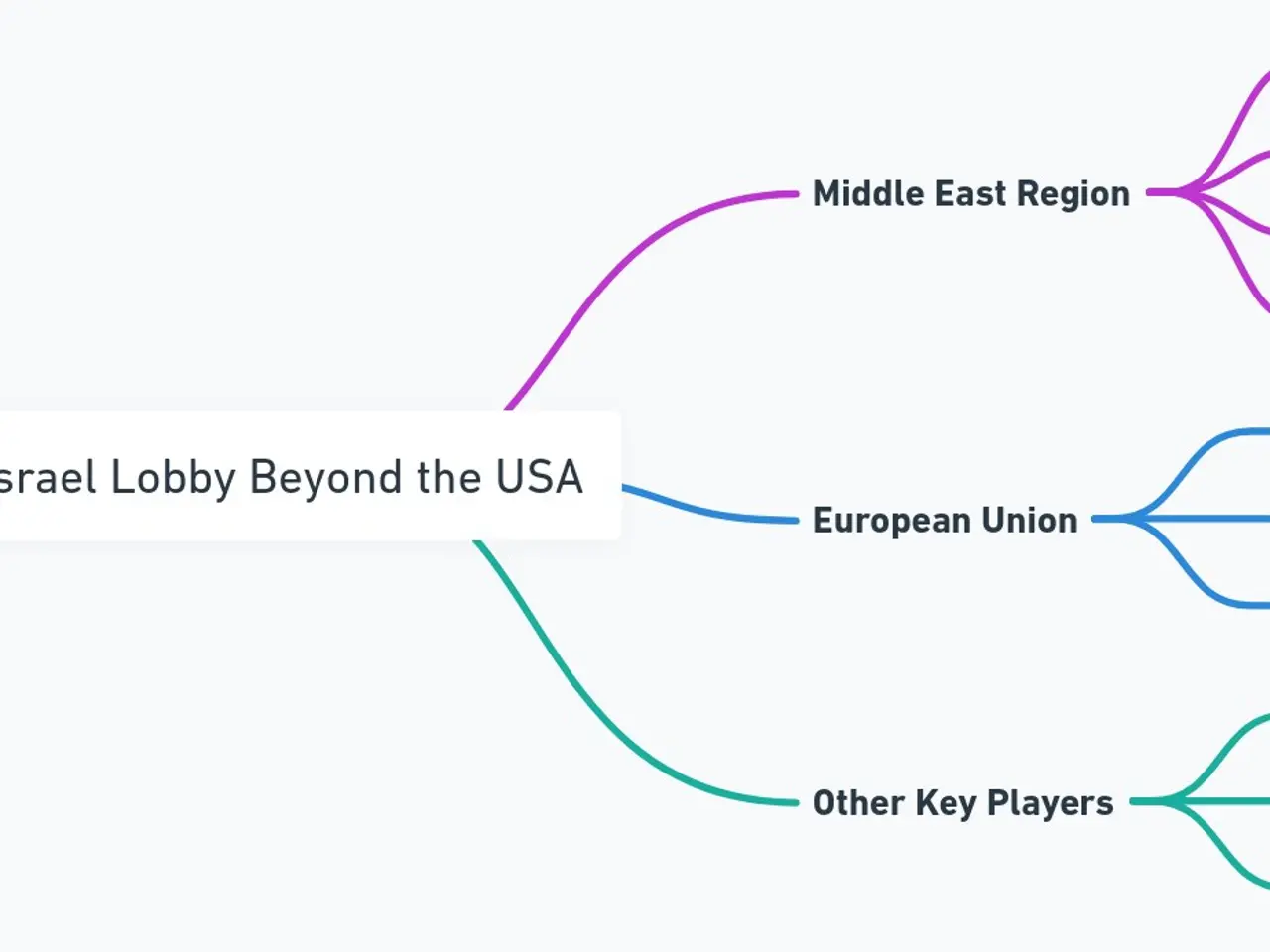
Lobbying takes varied forms and faces different regulations worldwide, significantly impacting political decisions. Lobbyists act as advocates trying to shape executive and legislative actions to advance economic, social, or corporate interests. In the U.S., for instance, lobbying is deeply embedded in political culture, often exerting substantial pressure on policymakers. Europe, by contrast, adopts diverse approaches, with some countries enforcing stricter transparency and accountability rules for lobbying activities.
In certain cases, lobbying pressure can spark broader societal movements—sometimes endangering jobs or leading to strikes and supply boycotts. While many democracies view lobbying as an essential part of interest representation, there is also a risk that economic interests may overshadow public concerns, weakening the voice of ordinary citizens in decision-making. These tensions highlight lobbying's dual nature as both a necessary tool and a potential threat within the political landscape.
Read also:
- American teenagers taking up farming roles previously filled by immigrants, a concept revisited from 1965's labor market shift.
- Weekly affairs in the German Federal Parliament (Bundestag)
- Landslide claims seven lives, injures six individuals while they work to restore a water channel in the northern region of Pakistan
- Escalating conflict in Sudan has prompted the United Nations to announce a critical gender crisis, highlighting the disproportionate impact of the ongoing violence on women and girls.