Illinois drivers flock to Indiana as gas prices soar in Chicago
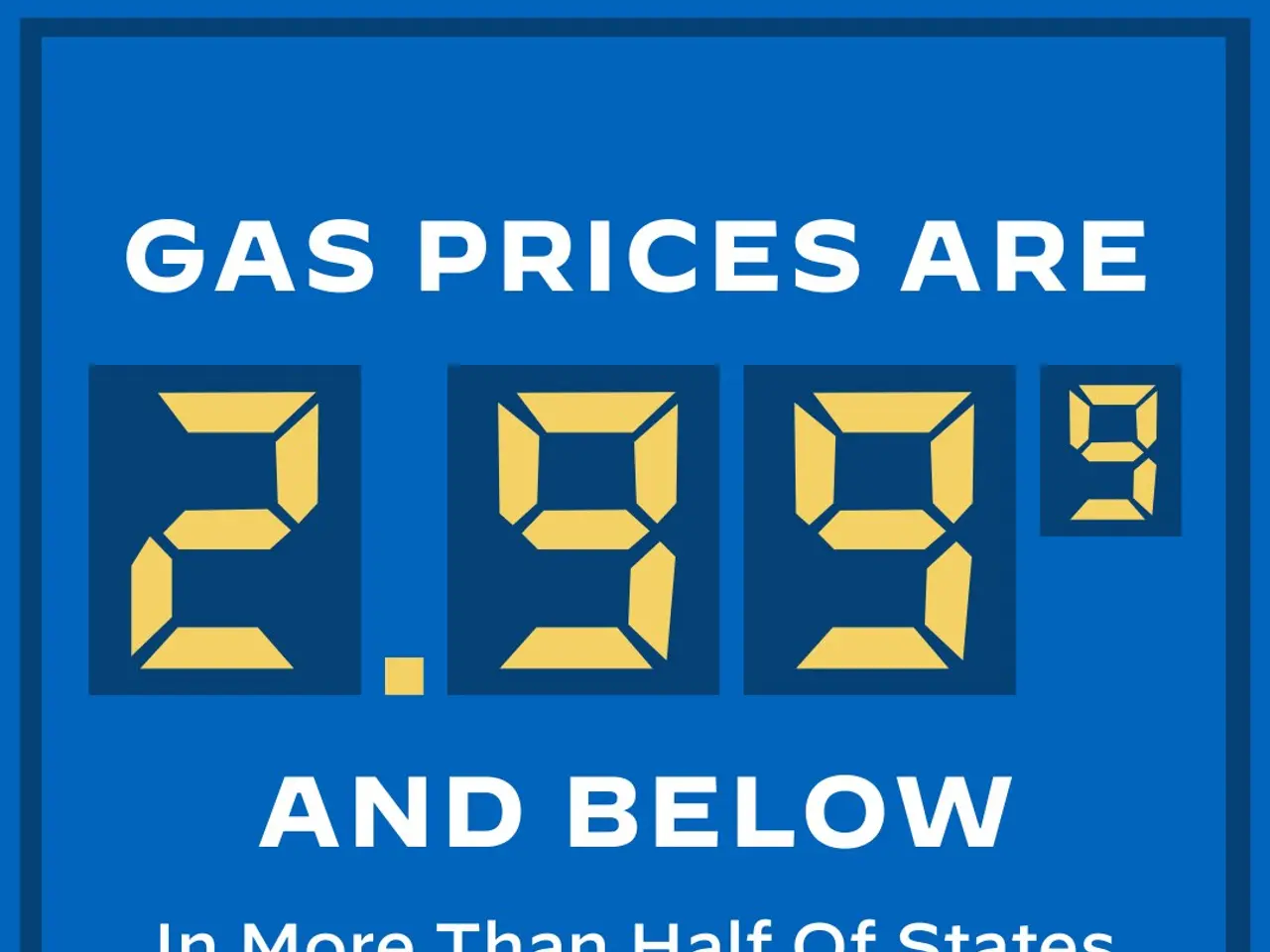
Gas prices have become a major concern for drivers in Illinois and Indiana. With costs rising sharply in Chicago, some residents are crossing state lines to fill up their tanks. Indiana’s recent tax suspension has made fuel significantly cheaper, prompting a surge in cross-border trips. Indiana’s governor took action by suspending the state’s gasoline excise tax of 36 cents per gallon. The move also extended a 23-cent usage tax break for May, cutting nearly 60 cents per gallon for drivers. This translates to a 12.4% discount on each fill-up.
The price drop has already had an effect. Some stations in Indiana now charge as little as $4.59 per gallon, while Chicago-area prices remain close to $5. As a result, motorists from Illinois are making the trip to save money. A few residents have even considered moving to Indiana to take advantage of the lower costs.
In March, an Illinois lawmaker proposed a similar gas tax suspension, which could save drivers 60 to 70 cents per gallon. However, Governor JB Pritzker has raised concerns. He warned that such a move might harm infrastructure funding and worsen inflation.
Indiana’s tax suspension comes at a financial cost. The state expects to lose at least $100 million in revenue. Our News Chicago contacted Governor Braun’s office to ask how Indiana plans to recover the lost funds but has not yet received a response. The price gap between Illinois and Indiana has led to more drivers crossing state borders for cheaper fuel. Indiana’s tax cuts provide immediate relief but reduce state revenue. Meanwhile, Illinois continues to debate whether a similar suspension would be worth the financial risks.
Read also:
- American teenagers taking up farming roles previously filled by immigrants, a concept revisited from 1965's labor market shift.
- Weekly affairs in the German Federal Parliament (Bundestag)
- Landslide claims seven lives, injures six individuals while they work to restore a water channel in the northern region of Pakistan
- Escalating conflict in Sudan has prompted the United Nations to announce a critical gender crisis, highlighting the disproportionate impact of the ongoing violence on women and girls.