IMF scrutinizes UK economy as Labour's tax hikes backfire amid stagnant growth
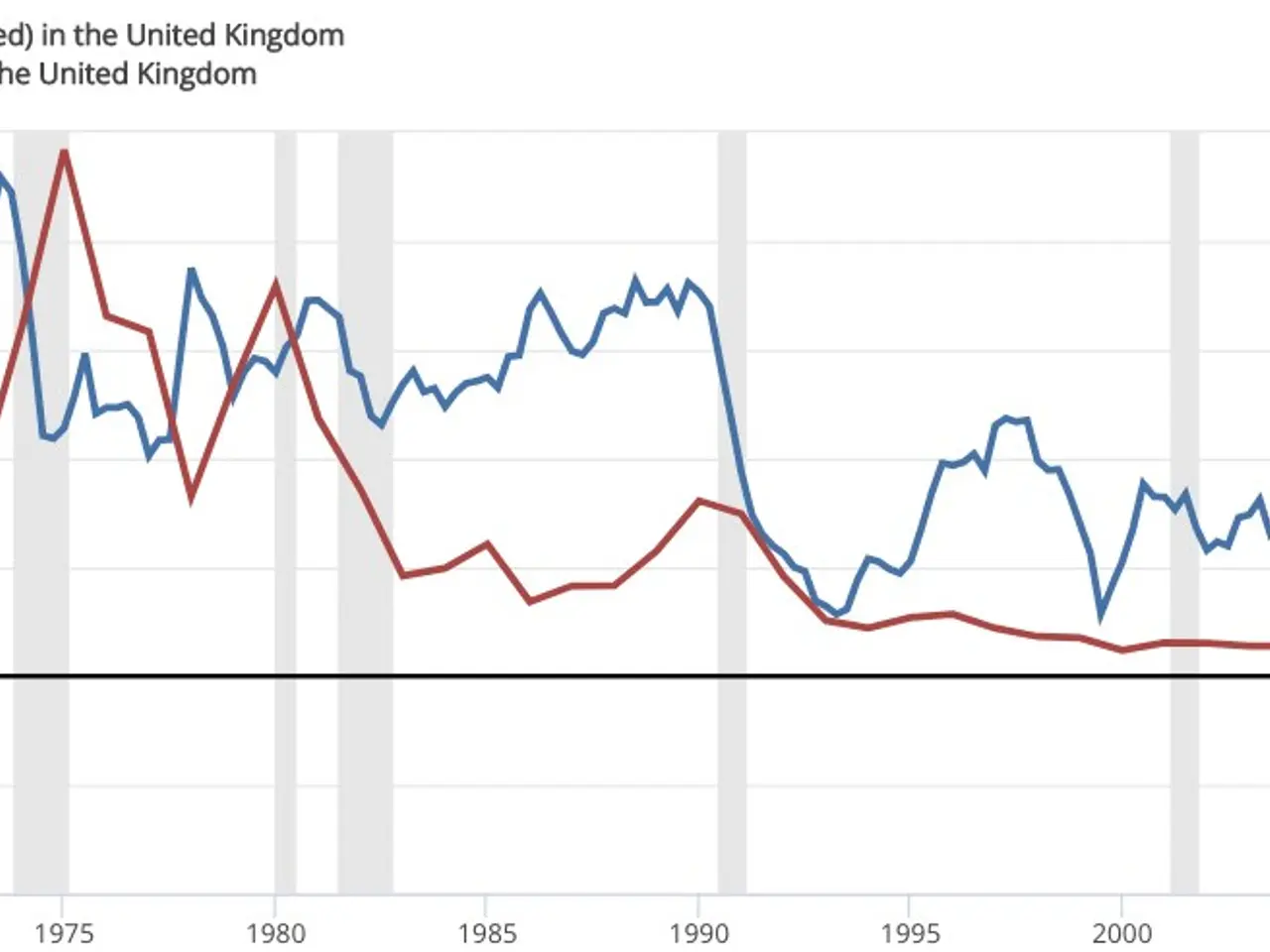
The International Monetary Fund (IMF) has begun its annual inspection of the UK’s economy at a time of mounting financial pressures. With inflation rising, growth stalling, and bond markets under scrutiny, the government faces limited options for managing public finances. The visit comes as Labour’s recent tax hikes draw criticism for stifling jobs and reducing revenue.
The IMF’s assessment arrives amid warnings that Labour’s tax increases are backfiring. Higher rates have triggered a 'Laffer Curve' effect, where tax rises lead to lower revenue instead of more. The organisation also highlighted how these policies have weakened the jobs market and discouraged work, further slowing economic growth.
The UK’s financial flexibility is now constrained by high bond yields and the impact of recent tax changes. The gilts market, sensitive to inflation, interest rates, and investor confidence, remains the key arbiter of Britain’s fiscal health. Both the Treasury and the Bank of England have noted relief that the recent election did not worsen market conditions. Despite these challenges, the IMF and UK Treasury still support existing fiscal rules aimed at reducing budget deficits and national debt. Prime Minister Keir Starmer’s commitment to staying in power has, for now, delayed a potential shift to more left-wing policies, offering temporary stability. Yet external pressures, including the crisis in the Strait of Hormuz and persistent inflation, continue to weigh on the economy. Historically, British governments have placed greater emphasis on IMF recommendations than other G7 nations. While no Briton has ever led the IMF, the UK’s role in shaping the Bretton Woods system through economist John Maynard Keynes remains acknowledged.
The IMF’s findings will likely shape the UK’s next financial steps, with debt reduction and deficit control still priorities. However, the combination of high bond yields, weak growth, and global instability leaves little room for manoeuvre. The government’s ability to balance fiscal discipline with economic recovery will now be closely watched.
Read also:
- American teenagers taking up farming roles previously filled by immigrants, a concept revisited from 1965's labor market shift.
- Weekly affairs in the German Federal Parliament (Bundestag)
- Landslide claims seven lives, injures six individuals while they work to restore a water channel in the northern region of Pakistan
- Escalating conflict in Sudan has prompted the United Nations to announce a critical gender crisis, highlighting the disproportionate impact of the ongoing violence on women and girls.