Italo demands fair rail access to fuel Germany's high-speed expansion
Italo is pushing for major changes to Germany’s rail capacity rules as it prepares to expand into the market. The Italian high-speed operator wants long-term guarantees on track access, not just leftover slots. Without these, its planned growth could face delays before a key contract deadline in June. The company recently announced a significant expansion into Germany but insists it needs stable service schedules. Italo is not seeking special treatment—just a minimum level of investment security. This includes a guaranteed share of rail capacity reserved for new players like itself.
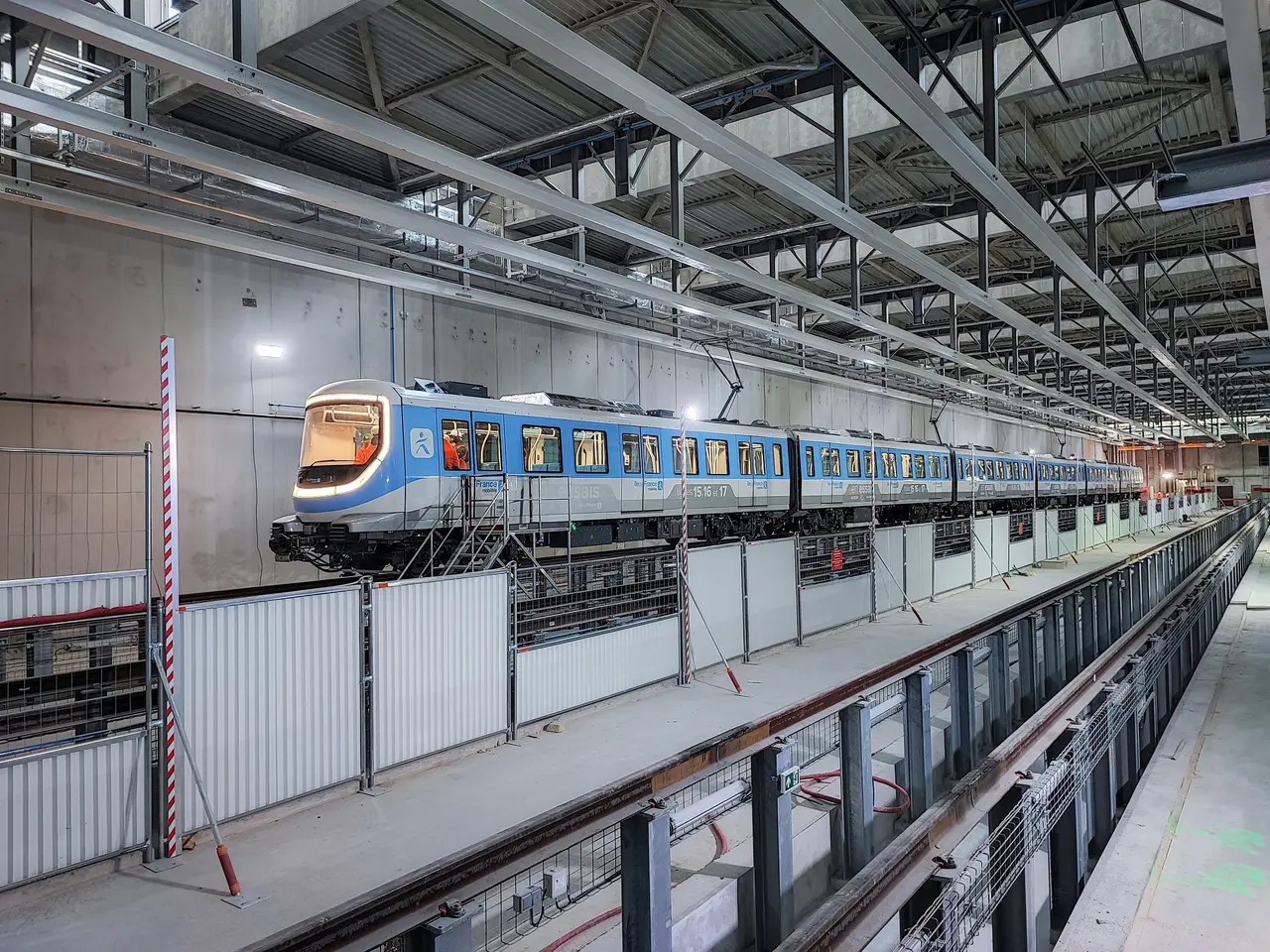
CEO Luca Cordero di Montezemolo has called for clarity on track allocation by the end of May. The urgency comes from a looming deadline: Italo must finalise its new train order with Siemens by June to meet production timelines. Without assured capacity, the deal could be at risk. Italo is also demanding fair access to service facilities and commercial spaces in stations. Currently, a public hearing at the Federal Network Agency is reviewing these concerns, with Deutsche Bahn and Flixtrain also involved. The company argues that reforming allocation rules is essential for fair competition in high-speed rail.
The outcome of the hearing will determine whether Italo can secure the long-term framework agreements it needs. If successful, the changes would allow the company to move forward with its expansion plans. The German government’s decision will shape how new operators enter the market in the future.
Read also:
- Federal Funding Supports Increase in Family Medicine Residency Program, Focusing on Rural Health Developments
- Potential Role of DHA in Shielding the Brain from Saturated Fats?
- Alternative Gentle Retinoid: Exploring Bakuchiol Salicylate for Sensitive Skin
- Hanoi initiates a trial program for rabies control, along with efforts to facilitate the transition from the dog and cat meat trade industry.