Komi Republic enforces new disability quotas for children's summer camps
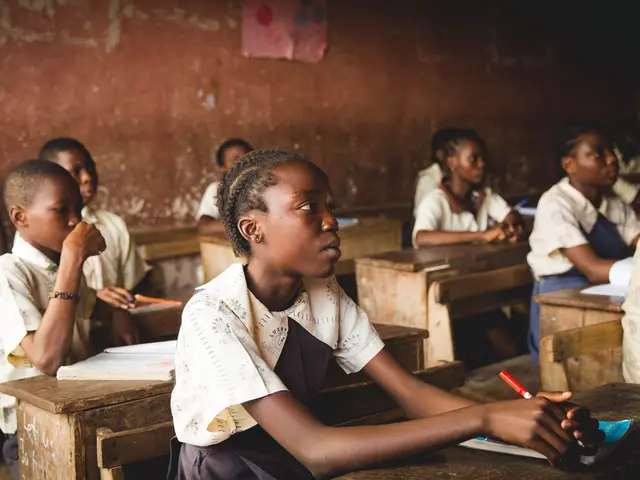
Since last year, state and municipal recreation facilities, as well as children's camps in the Komi Republic, have operated under a quota system for admitting children with disabilities. This was announced during a live Q&A session at the region's Public Reception Office by Yelena Kazakova, head of the Department of Extracurricular Education and Summer Recreation at the regional Ministry of Education.
According to Kazakova, the requirement applies to residential camps, work-and-recreation camps, and day-stay facilities. The quota is set at 2% of the total number of spots available per session—not per camp overall. To secure a place for a child with disabilities, parents must apply to their local municipal education authority (the designated body overseeing recreation and health programs) or to the state educational institution where the child is enrolled.
Kazakova noted that the changes were introduced through amendments to Federal Law No. 124-FZ, "On the Fundamental Guarantees of the Rights of the Child in the Russian Federation." Under the new rules, municipal and state-run camps are now obligated to provide spots for children with disabilities. The quota for 2026 remains unchanged from last year.
However, in 2025, the quota went unfilled: while places were allocated, parents did not take advantage of the opportunity. "The issue isn't just a lack of awareness among parents—camp administrators themselves often fail to publicize this option," Kazakova explained. "This is a complex group that requires special attention and tailored support."
Read also:
- American teenagers taking up farming roles previously filled by immigrants, a concept revisited from 1965's labor market shift.
- Weekly affairs in the German Federal Parliament (Bundestag)
- Landslide claims seven lives, injures six individuals while they work to restore a water channel in the northern region of Pakistan
- Escalating conflict in Sudan has prompted the United Nations to announce a critical gender crisis, highlighting the disproportionate impact of the ongoing violence on women and girls.