Komi's poverty and inequality improve but remain Russia's worst in 2025
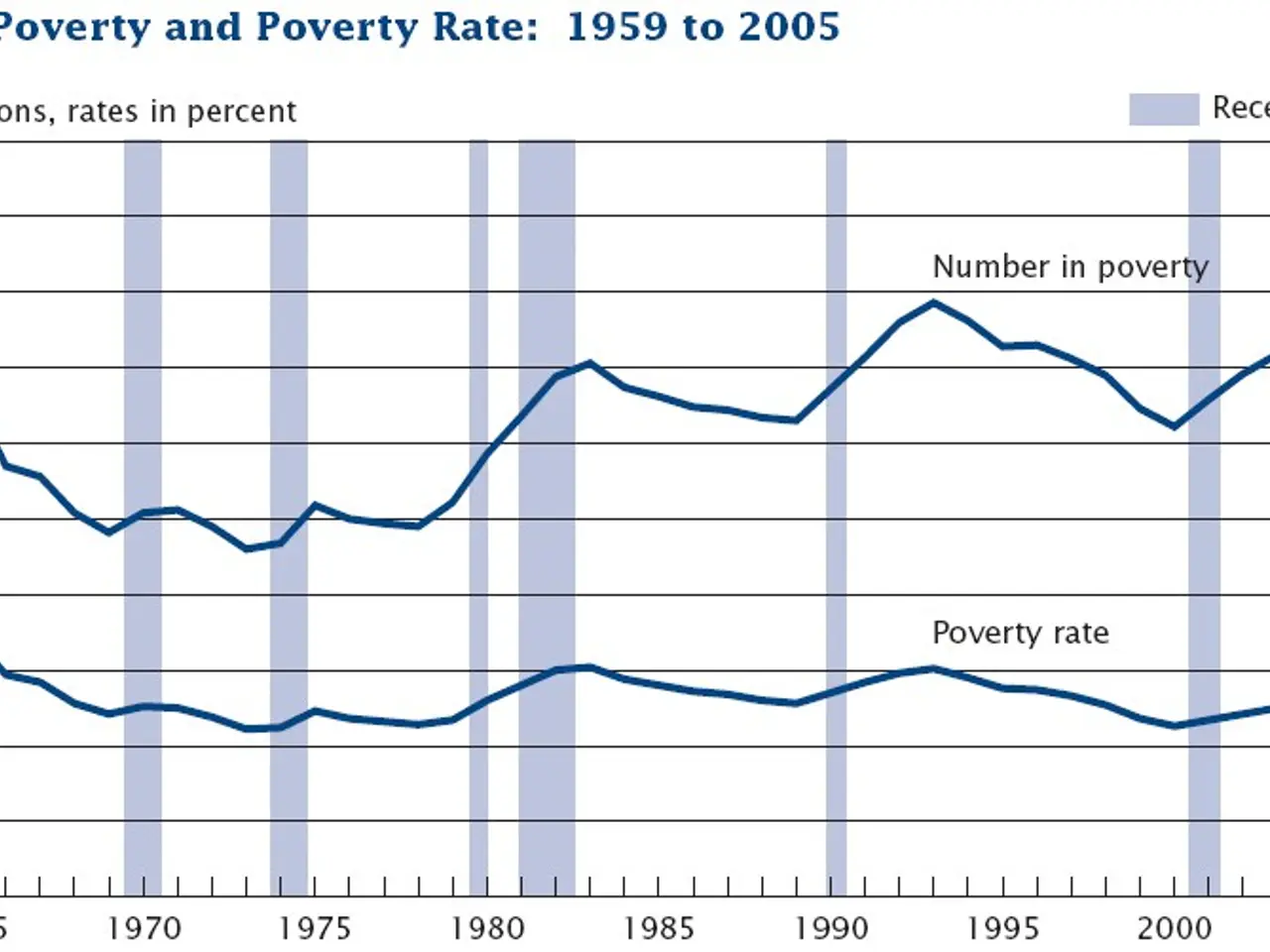
The Republic of Komi has shown slight improvements in poverty and income inequality in 2025. Despite progress, it remains the region with the highest poverty rate in Russia’s Northwest Federal District. New data also reveals shifts in how income is distributed across the area. In 2025, Komi’s poverty rate dropped by 0.7 percentage points from the previous year, settling at 9.4%. This figure still places it above the national average of 6.7%. The official poverty threshold in the region was set at 21,446 rubles per month.
The gap between the richest and poorest in Komi also narrowed. Income inequality fell to 12.9 times, a reduction from earlier years. Yet, this figure remains high compared to other regions in the Northwest Federal District. Murmansk, Leningrad, and Novgorod recorded the smallest divides, with ratios of 10.5, 10.9, and 10.9 times respectively. Nenets Autonomous Okrug had the widest gap at 19.9 times, the most pronounced in the district.
Nationally, Russia’s income disparity stood at 16 times in 2025. Within the Northwest Federal District, Komi ranked third for inequality, trailing only Nenets and another unnamed region. Komi’s latest figures show a modest decline in both poverty and income inequality. However, the region still faces greater economic challenges than most of its neighbours. The data highlights ongoing disparities within the Northwest Federal District and across Russia as a whole.
Read also:
- American teenagers taking up farming roles previously filled by immigrants, a concept revisited from 1965's labor market shift.
- Weekly affairs in the German Federal Parliament (Bundestag)
- Landslide claims seven lives, injures six individuals while they work to restore a water channel in the northern region of Pakistan
- Escalating conflict in Sudan has prompted the United Nations to announce a critical gender crisis, highlighting the disproportionate impact of the ongoing violence on women and girls.