Minnesota races to curb ICE enforcement near schools and hospitals
Minnesota lawmakers are rushing to pass new legislation aimed at limiting immigration enforcement near schools, hospitals and other sensitive locations. The push follows reports of aggressive ICE activity during Operation Metro Surge, including incidents at Roosevelt High School in Minneapolis. With the legislative session ending this week, supporters argue the bills would protect families from fear of deportation while attending essential services. The proposed laws would create legal protections and civil remedies for those affected by ICE operations. They specifically target enforcement at courts, schools, shelters and medical facilities. However, the bills would still allow criminal arrests and investigations to proceed.
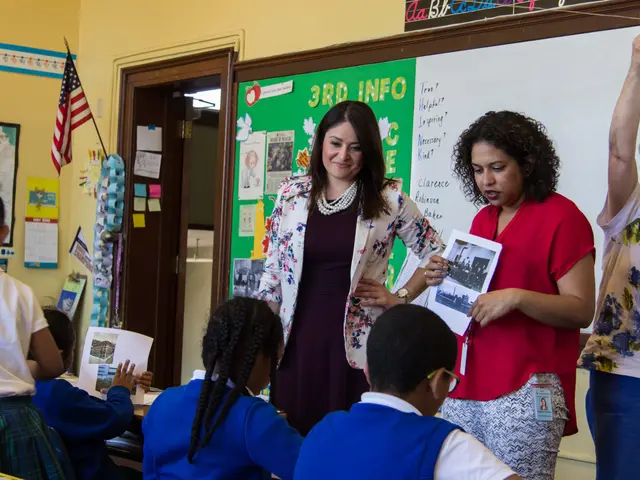
Federal agents drew criticism last year after using force and chemical irritants near Roosevelt High School. During Operation Metro Surge, families reportedly skipped healthcare appointments out of fear. Advocates say these measures are needed so children can attend school without worrying about immigration enforcement.
The Minnesota House, controlled by Republicans, has consistently opposed state-level regulations on ICE. This resistance comes as a federal judge recently rejected a request to block ICE activity near Minnesota schools. The decision leaves lawmakers as the only path for new restrictions. If passed, the legislation would mark the first state-level attempt to hold ICE officers accountable for their actions in Minnesota. The bills would not stop criminal enforcement but would limit routine immigration operations at protected locations. With time running out in the session, supporters are pushing for a vote before lawmakers adjourn.
Read also:
- American teenagers taking up farming roles previously filled by immigrants, a concept revisited from 1965's labor market shift.
- Weekly affairs in the German Federal Parliament (Bundestag)
- Landslide claims seven lives, injures six individuals while they work to restore a water channel in the northern region of Pakistan
- Escalating conflict in Sudan has prompted the United Nations to announce a critical gender crisis, highlighting the disproportionate impact of the ongoing violence on women and girls.