Northern Ireland's new religious education syllabus sparks inclusivity debate
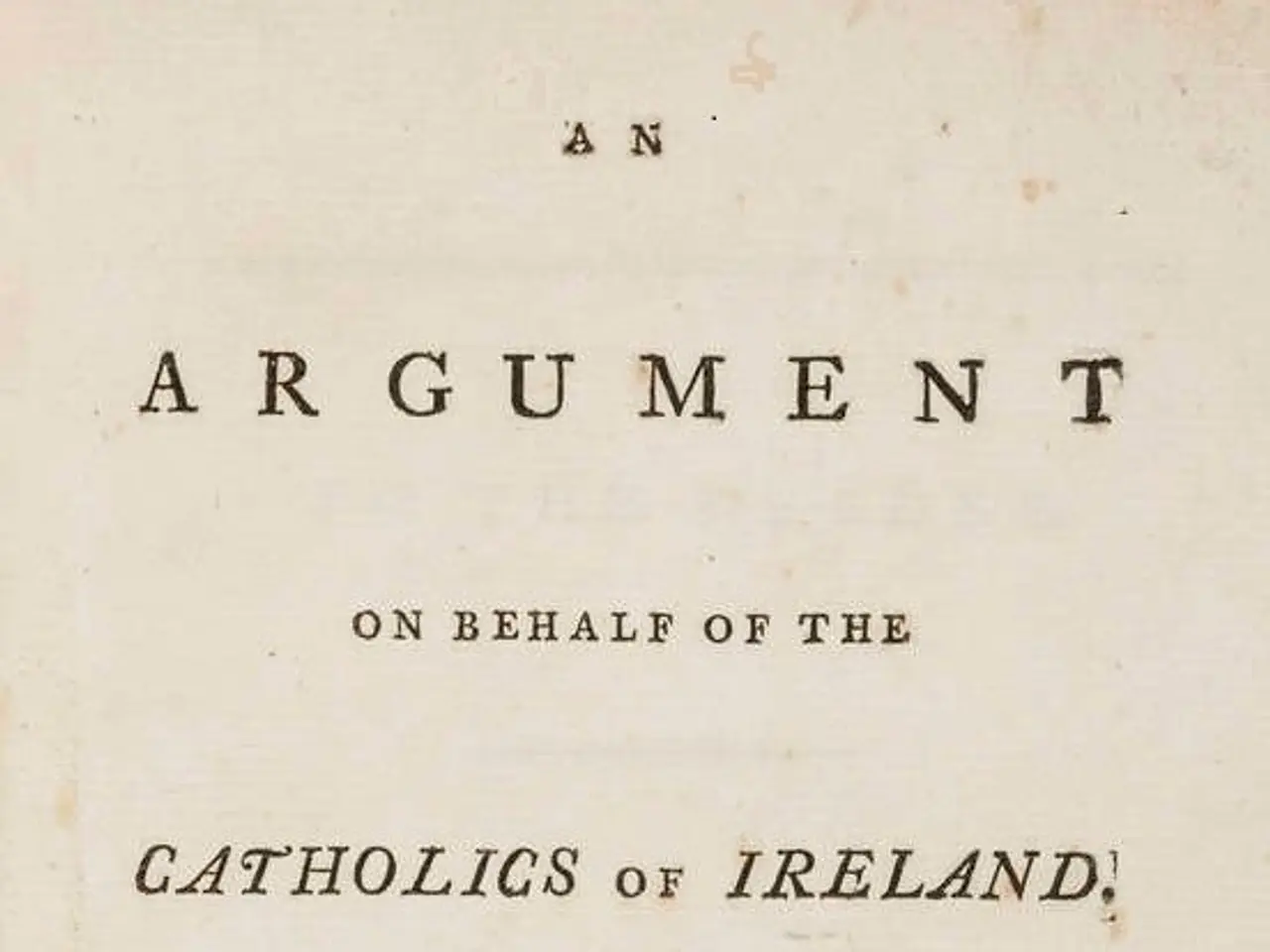
Northern Ireland’s new religious education (RE) syllabus is facing criticism for excluding non-Christian voices. The drafting process involves only representatives from the region’s four main Christian denominations. Critics argue this approach undermines the goal of creating a more inclusive curriculum.
The Department of Education has admitted the syllabus retains a confessional character. A public consultation is planned for June, but concerns remain about its fairness.
The current RE syllabus in Northern Ireland has not been updated since 2006. At primary level, it focuses solely on Christianity. A new version was intended to broaden its scope, yet the drafting group includes no non-Christian representatives.
Islam is the largest non-Christian faith in the region, with 0.57% of the population identifying as Muslim. Another 1.34% follow other non-Christian religions, while 42% claim no religion at all. Despite this diversity, Education Minister Paul Givan has not met with any non-Christian faith leaders during the process. The Muslim Council of Britain and Humanists UK have both raised concerns. They argue their exclusion from discussions risks leaving non-Christian pupils without proper representation in the curriculum. The Department of Education has acknowledged the syllabus will maintain a confessional tone, raising further questions about its inclusivity.
A public consultation on the draft syllabus will open in June. The outcome will determine whether non-Christian perspectives are included in future RE lessons. For now, the process remains limited to Christian denominations, leaving other faiths and non-religious groups without direct input.
Read also:
- American teenagers taking up farming roles previously filled by immigrants, a concept revisited from 1965's labor market shift.
- Weekly affairs in the German Federal Parliament (Bundestag)
- Landslide claims seven lives, injures six individuals while they work to restore a water channel in the northern region of Pakistan
- Escalating conflict in Sudan has prompted the United Nations to announce a critical gender crisis, highlighting the disproportionate impact of the ongoing violence on women and girls.