Philippines declares energy emergency to secure fuel supply nationwide
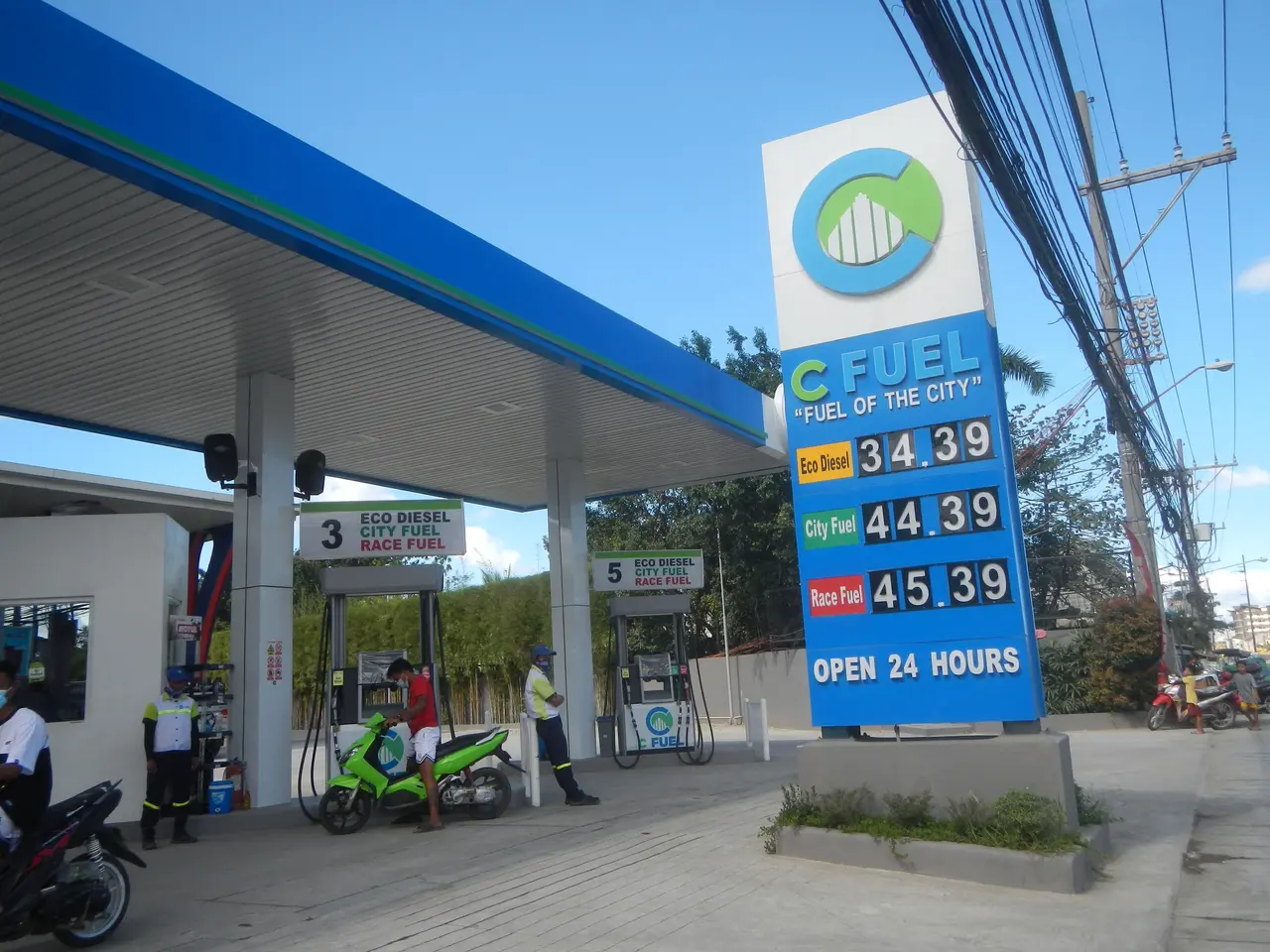
The Department of the Interior and Local Government (DILG) has ordered local government units (LGUs) to guarantee the smooth movement of fuel tankers across the country. This directive follows President Ferdinand Marcos Jr.’s declaration of a national energy emergency through Executive Order 110. The government aims to prevent disruptions in fuel supply and maintain economic stability. President Marcos Jr. first issued Executive Order 110, which declared a state of national energy emergency. The order called for a coordinated response from all sectors to address fuel shortages and rising prices.
The DILG then instructed LGUs to strictly enforce the order. They must ensure the steady flow of essential goods, particularly fuel, by removing obstacles to transport. This includes exempting fuel tankers from local restrictions such as truck bans and traffic coding schemes. In its directive, the DILG reminded LGUs of their authority to discipline local officials who fail to comply. The agency stressed that an uninterrupted fuel supply is vital for economic activity and public welfare. To enforce compliance, the DILG will monitor LGU actions closely. It will also work with other agencies to maintain a continuous fuel supply nationwide.
The DILG’s directive aligns with the president’s call for a unified government and societal response to the energy crisis. LGUs now hold the responsibility to enforce these measures and prevent fuel shortages. Failure to act could lead to disciplinary action against non-compliant local officials.
Read also:
- American teenagers taking up farming roles previously filled by immigrants, a concept revisited from 1965's labor market shift.
- Weekly affairs in the German Federal Parliament (Bundestag)
- Landslide claims seven lives, injures six individuals while they work to restore a water channel in the northern region of Pakistan
- Escalating conflict in Sudan has prompted the United Nations to announce a critical gender crisis, highlighting the disproportionate impact of the ongoing violence on women and girls.