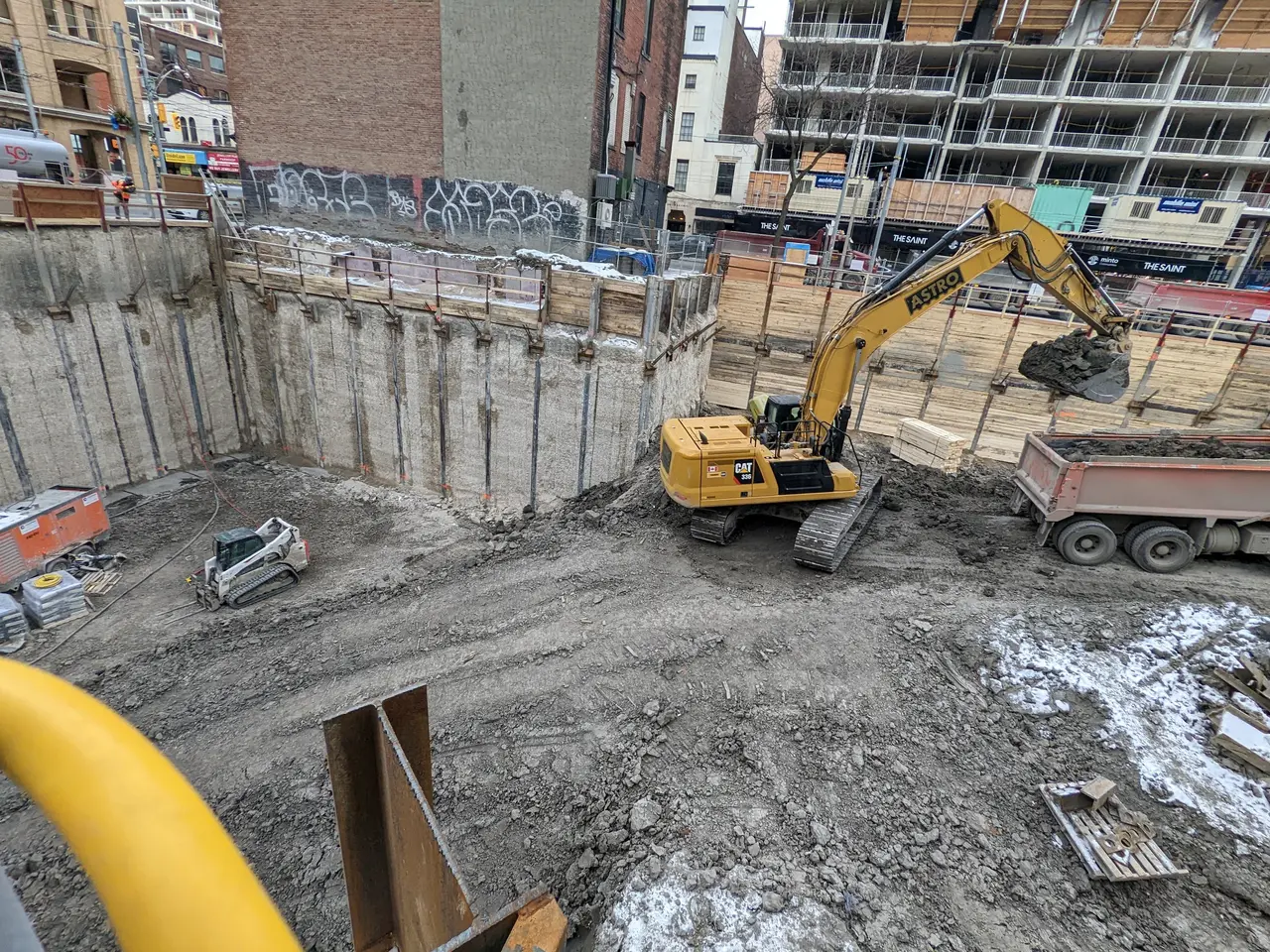
Seoul's GTX-A rail line under investigation after critical construction flaws exposed
An investigation has begun into Seoul’s city government after serious construction flaws were found in the GTX-A rail line. The Transport Ministry launched an audit following delays in reporting the issue. The problems involved missing reinforcement in dozens of support columns.
Hyundai Engineering and Construction first detected the flaw in November 2021. Workers found that 50 out of 80 columns at the GTX platform had only one layer of metal beams instead of two. The actual load capacity of these columns was 50,695 kilonewtons—well below the designed standard of 58,604 kilonewtons.
The city government responded in December 2021 by planning reinforcements. Hyundai agreed to cover the extra construction costs, estimated at around 3 billion won ($2 million). Once completed, the strengthened columns will support up to 60,915 kilonewtons, exceeding the original safety requirements. Despite the discovery, reporting delays prompted the Transport Ministry to audit both the Seoul city government and Korea National Railway. Authorities have since promised further safety measures to prevent similar issues in the future.
The reinforced columns will now meet higher safety standards than initially required. Hyundai’s funding ensures the repairs will proceed without additional public cost. The ongoing audit will determine whether further action is needed against those responsible for the oversight.
Read also:
- American teenagers taking up farming roles previously filled by immigrants, a concept revisited from 1965's labor market shift.
- Weekly affairs in the German Federal Parliament (Bundestag)
- Landslide claims seven lives, injures six individuals while they work to restore a water channel in the northern region of Pakistan
- Escalating conflict in Sudan has prompted the United Nations to announce a critical gender crisis, highlighting the disproportionate impact of the ongoing violence on women and girls.