South Caucasus peace talks gain momentum despite lingering tensions
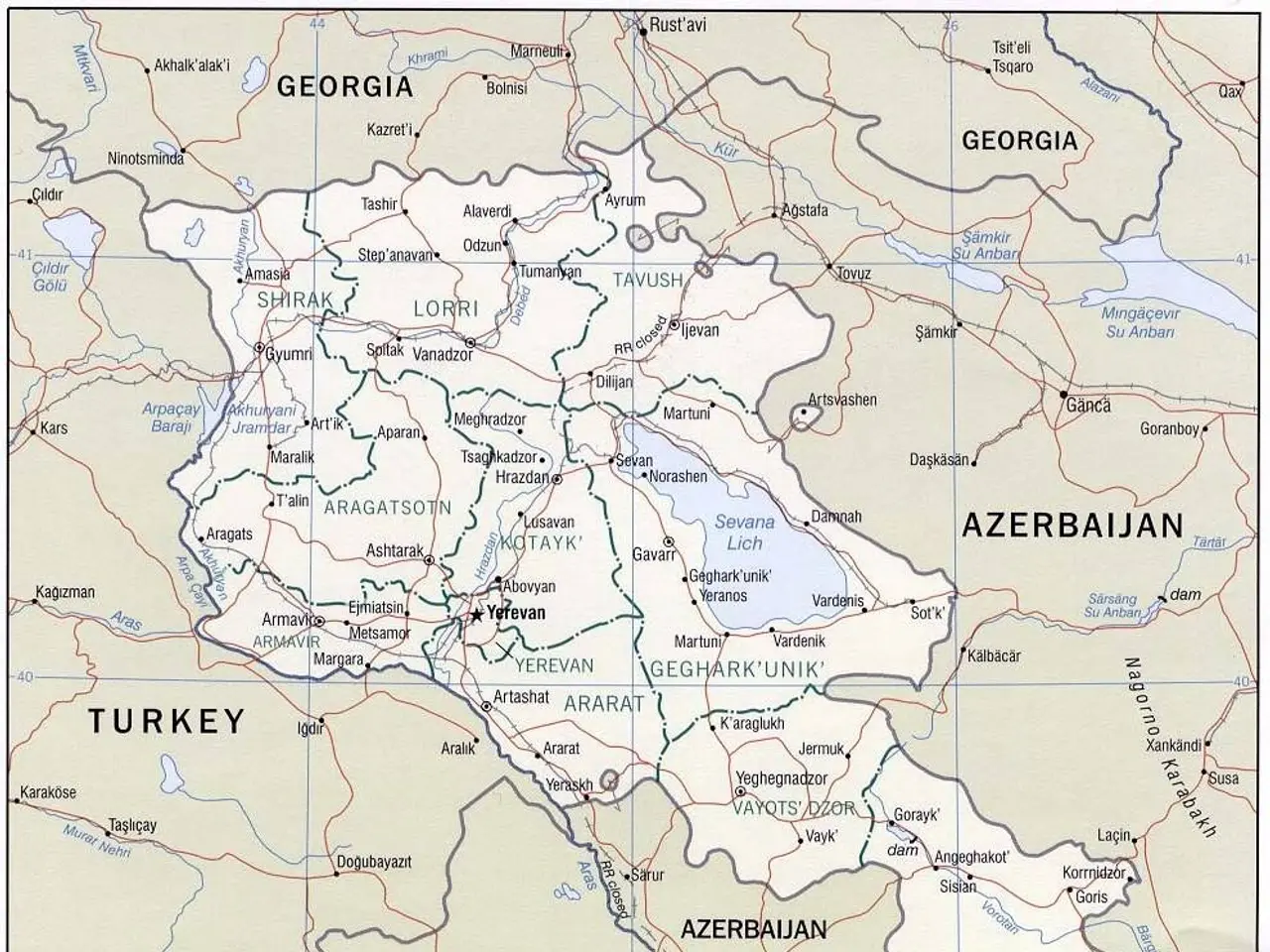
The South Caucasus peace process has reached a delicate stage as negotiations between Azerbaijan and Armenia gather pace. Recent developments suggest the region is closer to a lasting agreement than at any point in years. Yet external influences and political pressures continue to shape the discussions in complex ways. Talks between Baku and Yerevan have gained momentum, with both sides exploring ways to reopen transport routes and boost regional trade. These economic steps could help solidify any future deal. However, the process remains vulnerable to outside interference, including lobbying efforts and shifting geopolitical interests.
A recent report by Minval Politika claimed that former ICC prosecutor Luis Moreno Ocampo was involved in discussions aimed at swaying European policy on Azerbaijan. The report also suggested attempts to influence political dynamics around Armenia. The authenticity and full context of these claims remain unverified. Internal factors also play a role, particularly Armenia’s upcoming parliamentary elections. The outcome could either strengthen or undermine the fragile progress made so far. Meanwhile, diaspora politics in Western countries continue to shape narratives, sometimes reinforcing hardline positions that complicate negotiations. Despite these challenges, the overall direction of the peace process remains cautiously positive. Both sides have shown willingness to engage, even as competing narratives and external pressures persist.
The path to sustainable peace in the South Caucasus depends heavily on regional ownership rather than externally imposed solutions. While recent steps have brought Baku and Yerevan closer to an agreement, the durability of progress will hinge on upcoming elections, economic cooperation, and the ability to navigate outside influences. The coming months will be critical in determining whether momentum can be maintained.
Read also:
- American teenagers taking up farming roles previously filled by immigrants, a concept revisited from 1965's labor market shift.
- Weekly affairs in the German Federal Parliament (Bundestag)
- Landslide claims seven lives, injures six individuals while they work to restore a water channel in the northern region of Pakistan
- Escalating conflict in Sudan has prompted the United Nations to announce a critical gender crisis, highlighting the disproportionate impact of the ongoing violence on women and girls.