Halle's May Day rally demands fair wages and stronger labor protections
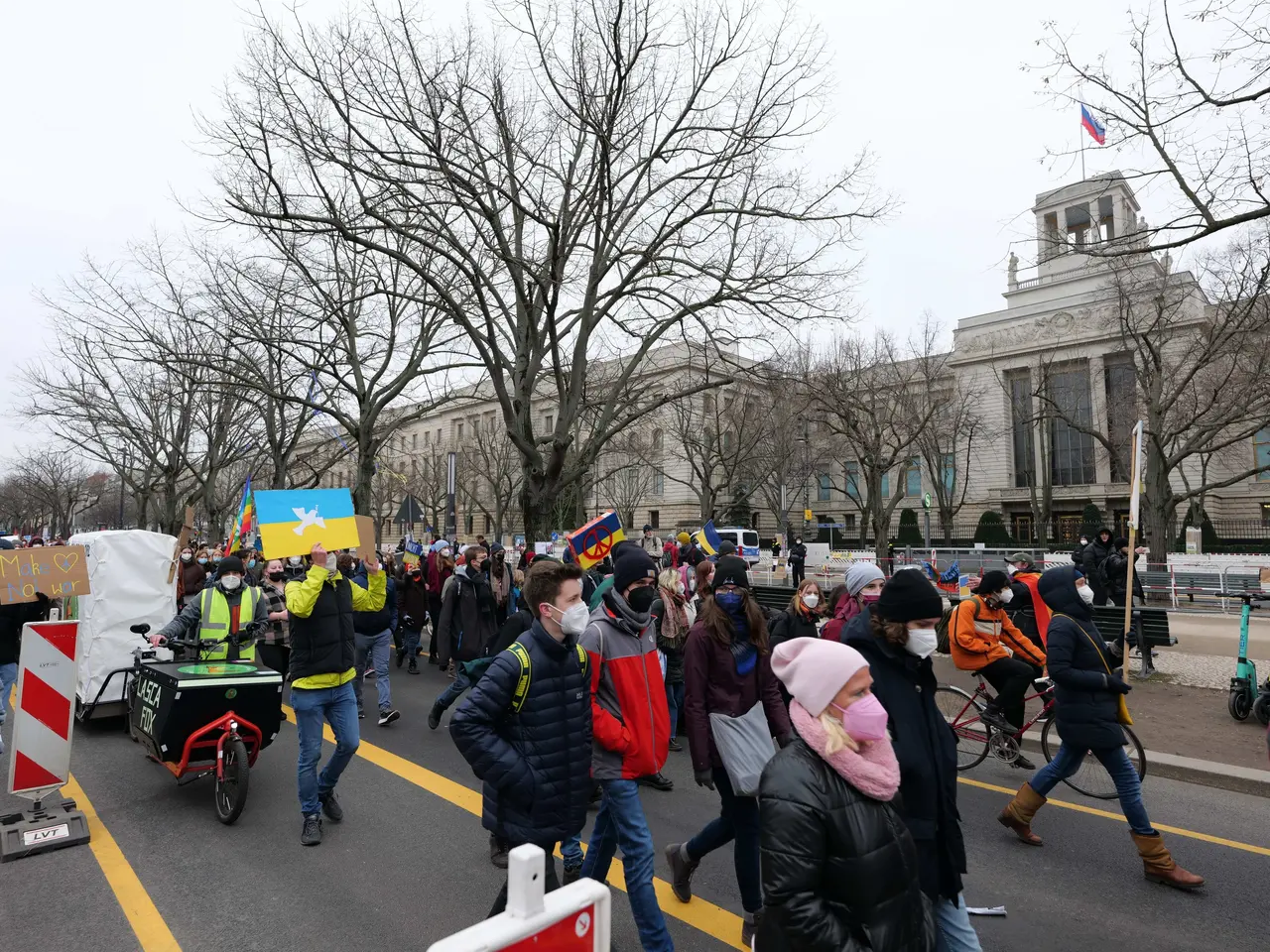
Around 2,500 people gathered in Halle for this year’s May Day rally under the slogan ‘First our jobs, then your profits’. The event, organised by the German Trade Union Confederation (DGB), included speeches from politicians and union leaders on workers’ rights and social justice. Earlier, a march with about 600 participants moved from Steintor to the market square, setting the stage for the demonstrations. The rally featured calls for stronger protections for workers. Katharina Brederlow, Halle’s deputy mayor, highlighted the strain on the welfare state and warned of rising poverty in the city. She also demanded fair wages and sustainable recognition for care and social workers, many of whom come from migrant backgrounds.
Bodo Ramelow, a Left Party politician, criticised attempts to erode labour regulations, particularly the eight-hour workday, under the banner of *‘flexibility’*. He argued that while corporate profits remain high, workers face cuts to social protections during economic uncertainty. Ramelow also pledged to use his parliamentary position to push for social justice, decent work, and affordable housing. In his speech, Ramelow condemned far-right populism and stressed that strong social security is essential for democracy. He warned against political forces trying to divide society and insisted that military spending should not reduce funding for social programs.
The event brought together unions, political parties, and activists to demand better working conditions and economic fairness. Speakers urged continued pressure on policymakers to prioritise workers’ needs over corporate profits. The rally concluded with a call for sustained action to protect labour rights and social welfare.
Read also:
- American teenagers taking up farming roles previously filled by immigrants, a concept revisited from 1965's labor market shift.
- Weekly affairs in the German Federal Parliament (Bundestag)
- Landslide claims seven lives, injures six individuals while they work to restore a water channel in the northern region of Pakistan
- Escalating conflict in Sudan has prompted the United Nations to announce a critical gender crisis, highlighting the disproportionate impact of the ongoing violence on women and girls.