Texas public schools face first enrolment drop in 40 years outside pandemic
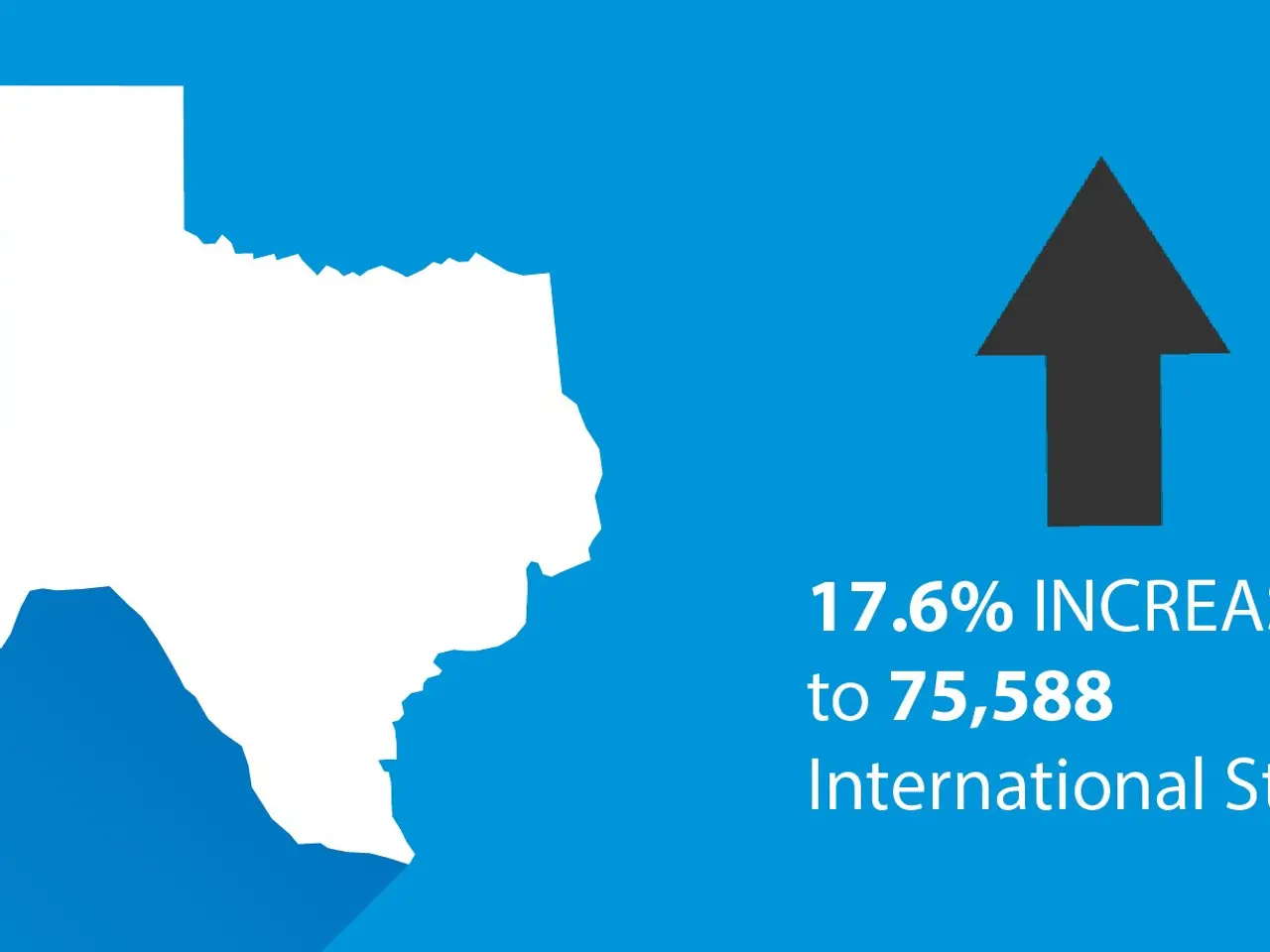
Texas public schools have seen a notable drop in student numbers this year. For the first time in nearly 40 years—outside the pandemic—enrolment has fallen. Around 76,000 fewer pupils attended classes compared to last academic year, raising concerns among officials and analysts alike. The decline marks a shift from long-term trends, as Texas has historically seen rising student numbers. Carlo Castillo, a senior research analyst at Texas 2036, pointed out that population growth no longer guarantees increased school enrolment in many areas. Hispanic students, who make up 53% of the state’s 5.5 million public school pupils, accounted for 81% of this year’s drop.
State funding for schools relies on attendance figures, adding pressure to districts already facing financial strain. Despite a nearly $8.5 billion boost to public education funding last year, some have had to reduce programmes and close campuses. Texas Education Commissioner Mike Morath admitted to lawmakers that the exact reasons behind the decline remain unclear. Looking ahead, Texas 2036 forecasts a further decrease of about 100,000 students by the end of the decade. The trend suggests broader changes in how families engage with public education across the state.
The drop in enrolment will likely impact school budgets and resource allocation. With funding tied to attendance, districts may face tougher decisions in the coming years. Officials continue to monitor the situation as they assess the long-term effects on Texas education.
Read also:
- American teenagers taking up farming roles previously filled by immigrants, a concept revisited from 1965's labor market shift.
- Weekly affairs in the German Federal Parliament (Bundestag)
- Landslide claims seven lives, injures six individuals while they work to restore a water channel in the northern region of Pakistan
- Escalating conflict in Sudan has prompted the United Nations to announce a critical gender crisis, highlighting the disproportionate impact of the ongoing violence on women and girls.