Trump's China shift: From security threat to deal-driven diplomacy with Xi
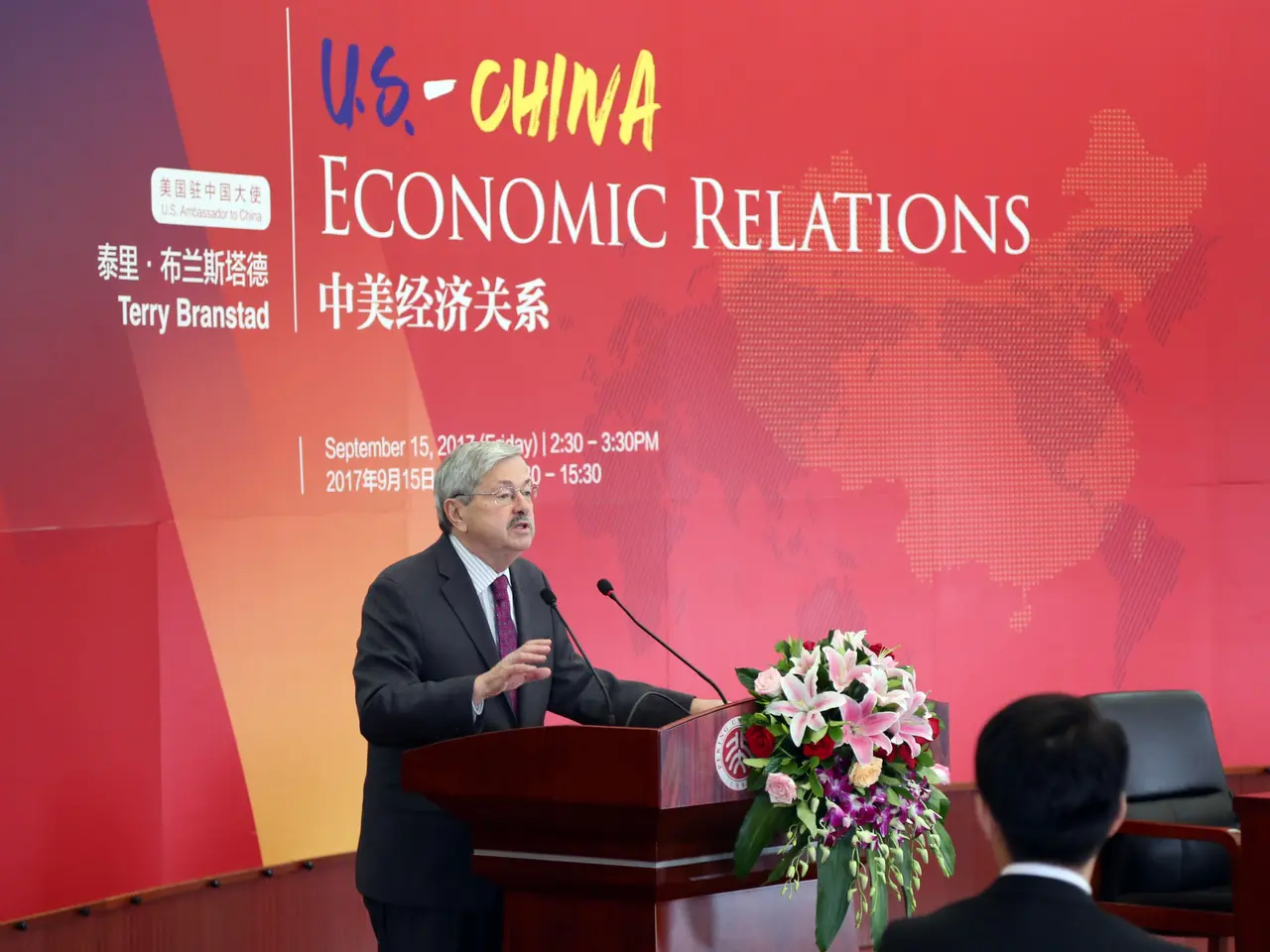
Former US President Donald Trump has significantly shifted his stance on China since his first term in office. His current approach treats the US-China relationship as purely transactional, focusing on deals rather than long-term strategy or ideological rivalry. This change marks a departure from his earlier rhetoric, which often framed China as a major security and economic threat. Trump no longer views China as an existential or conventional security threat. Instead, he sees Chinese investment in the US as a potential boost for American industry and jobs—if structured correctly. His perspective now centres on negotiating agreements with President Xi Jinping, believing that such deals could resolve tensions and even earn him a Nobel Peace Prize.
His approach avoids both traditional engagement and aggressive great-power competition. He considers economic challenges from China manageable through direct negotiations, treating each issue as a bargaining opportunity. On Taiwan, Trump prefers maintaining the status quo, using arms sales as leverage in discussions with both Taipei and Beijing.
However, the long-term viability of this personalised, deal-driven strategy remains uncertain. Trump’s unpredictability and Xi’s resistance to collective leadership could undermine stability. Experts argue that a lasting solution would require a broader strategy, accounting for political, personal, and institutional interests on both sides. Trump’s revised stance on China prioritises short-term negotiations over a fixed ideological position. While he downplays security concerns, his reliance on personal diplomacy with Xi raises questions about consistency. Without a structured framework, the sustainability of this approach remains in doubt.
Read also:
- American teenagers taking up farming roles previously filled by immigrants, a concept revisited from 1965's labor market shift.
- Weekly affairs in the German Federal Parliament (Bundestag)
- Landslide claims seven lives, injures six individuals while they work to restore a water channel in the northern region of Pakistan
- Escalating conflict in Sudan has prompted the United Nations to announce a critical gender crisis, highlighting the disproportionate impact of the ongoing violence on women and girls.