US States Fight Back as Rising Electricity Bills Spark Outrage Over Utility Profits
Electricity bills are climbing across the US, sparking pushback from officials in at least six states. The surge in energy demand—driven partly by AI data centres—has led to higher costs, with lawmakers now questioning how utilities set their prices. Some governors and regulators are taking direct action to block proposed rate hikes. In Pennsylvania, Gov. Josh Shapiro intervened after PECO sought a 12.5% rate increase. He called the current utility model 'broken' and pressured the company to withdraw the proposal. Meanwhile, Indiana’s Republican Gov. Mike Braun appointed new utility commissioners to challenge rate rises, with their first case involving AES Indiana’s request for a 10.1% hike.
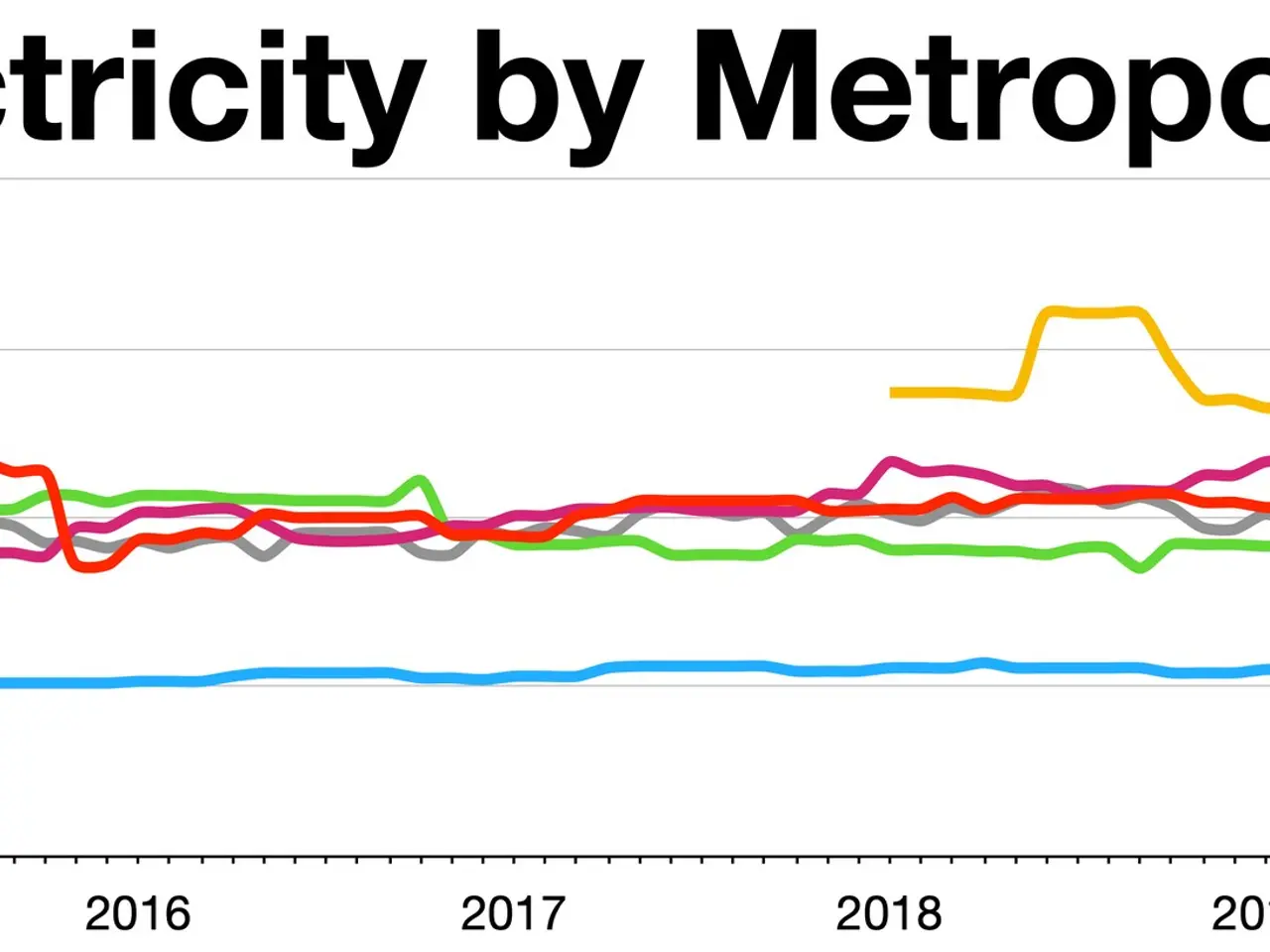
Arizona Attorney General Kris Mayes is also fighting two utility rate increase requests before the state’s regulatory board. In New Jersey, the Board of Public Utilities has launched a review to reassess how utilities should earn revenue in today’s energy market. The moves come as profits for 110 for-profit utilities jumped from under $39 billion in 2021 to over $52 billion in 2024, according to the Energy and Policy Institute.
Analysts warn that affordability is now the top concern in the sector. Travis Miller, an energy and utilities expert, highlights rising costs as the biggest issue facing customers. Mark Ellis, a former utility executive, estimates that about 10% of a typical bill goes toward 'excess profit' for for-profit providers. Yet Paul Ferraro, an economics professor, argues that capping utility investment returns is a political decision, not an economic one.
The debate intensifies as AI-driven energy demand fuels a construction boom in the power sector, further pushing up prices. State officials are now scrutinising utility profits and rate structures more closely. With energy costs rising and AI increasing demand, regulators are reassessing how utilities balance affordability with infrastructure investments. The outcome of these disputes could reshape how electricity pricing works in the coming years.
Read also:
- American teenagers taking up farming roles previously filled by immigrants, a concept revisited from 1965's labor market shift.
- Weekly affairs in the German Federal Parliament (Bundestag)
- Landslide claims seven lives, injures six individuals while they work to restore a water channel in the northern region of Pakistan
- Escalating conflict in Sudan has prompted the United Nations to announce a critical gender crisis, highlighting the disproportionate impact of the ongoing violence on women and girls.