Weimar's Buchenwald Memorial Becomes Flashpoint for Protests and Historical Debate
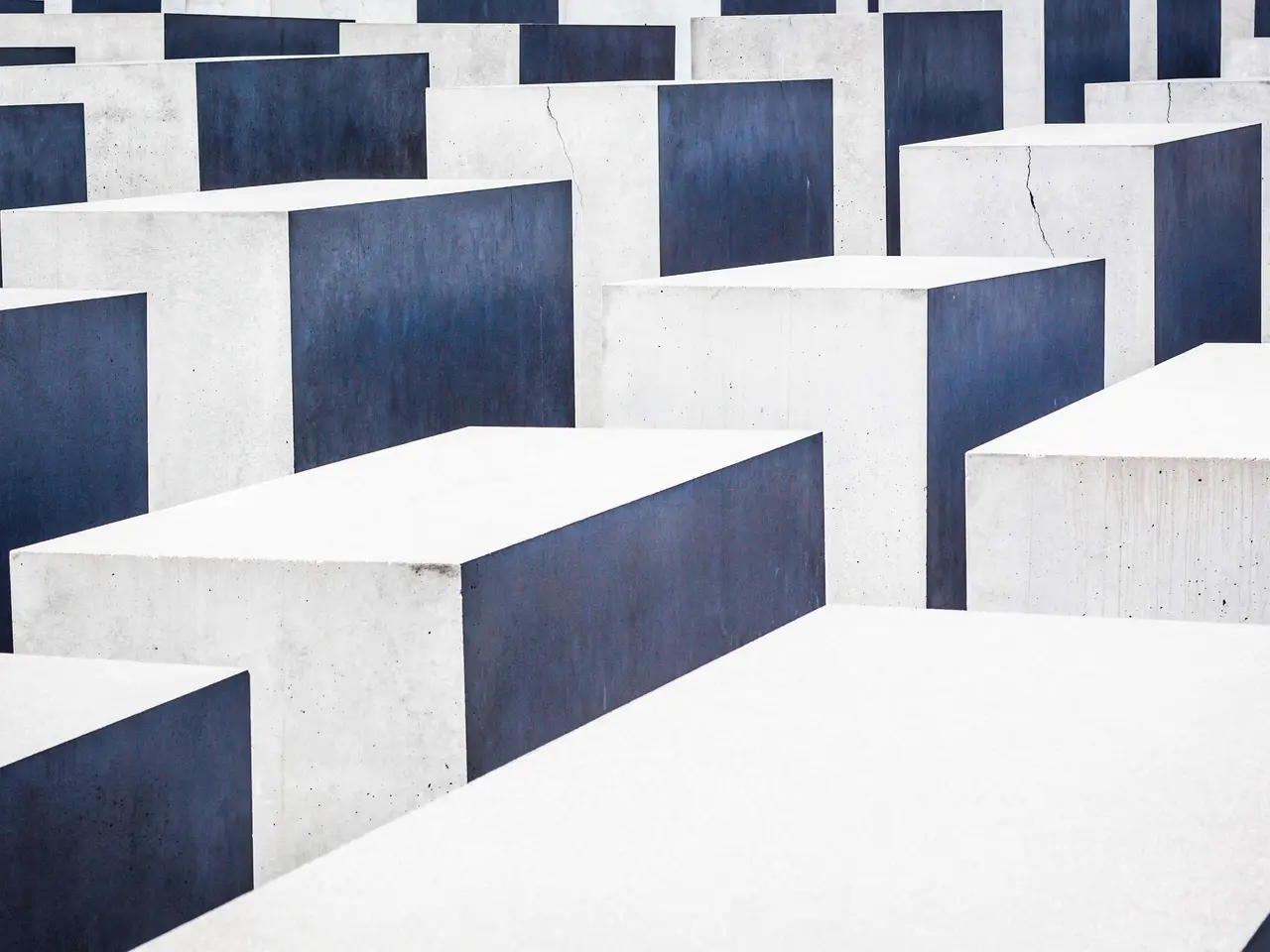
Weimar holds a complex place in German history. Known as the 'City of Classics'—once home to Goethe and Schiller—it also bears the dark legacy of Buchenwald concentration camp. This duality has come into sharp focus again as protests and political tensions rise ahead of a memorial event.
The Buchenwald Memorial, honouring the 56,000 victims murdered there, now faces demonstrations under the slogan 'Kufiyas in Buchenwald'. Meanwhile, Germany's stance on Israel remains a contentious issue, with Chancellor Friedrich Merz balancing support for Prime Minister Netanyahu's war in Gaza against growing criticism of arms exports and military actions. Buchenwald concentration camp was liberated on April 11, 1945, when prisoners overpowered their guards. The site became a symbol of Nazi atrocities, with estimates placing the death toll at 56,000. After liberation, survivors established the Buchenwald Oath, pledging to fight for peace and justice.
Today, the memorial site is a place of reflection—but also of protest. Last year, a Palestinian activist was barred from a memorial event for wearing a keffiyeh. Now, organisers plan further demonstrations under 'Kufiyas in Buchenwald', reigniting debates over historical memory and political expression.
Germany's relationship with Israel has also been under scrutiny. Since the Hamas attacks on October 7, 2023, Chancellor Merz has repeatedly affirmed solidarity, declaring 'Germany stands by Israel's side' and attending a ceasefire signing in Egypt on October 13, 2025. Yet his government has taken a more cautious approach in recent months. In August 2025, Berlin restricted arms exports to Israel, approving only weapons not intended for use in Gaza. A year later, Merz warned against Israeli ground operations in Lebanon, calling them a 'mistake' that would deepen the humanitarian crisis.
Germany remains the second-largest arms supplier to Israel after the U.S., a fact that has drawn criticism. Supporters argue this reflects historical responsibility, while opponents see it as complicity in the ongoing conflict. The protests at Buchenwald and Germany's shifting stance on Israel highlight the country's struggle with history and foreign policy. Weimar's legacy—as both a cultural centre and a site of Nazi crimes—mirrors these tensions. With demonstrations planned and arms export policies under review, the debates over memory, responsibility, and military support show no signs of easing. The Buchenwald Memorial continues to serve as a reminder of past atrocities, even as new political conflicts unfold around it.
Read also:
- American teenagers taking up farming roles previously filled by immigrants, a concept revisited from 1965's labor market shift.
- Weekly affairs in the German Federal Parliament (Bundestag)
- Landslide claims seven lives, injures six individuals while they work to restore a water channel in the northern region of Pakistan
- Escalating conflict in Sudan has prompted the United Nations to announce a critical gender crisis, highlighting the disproportionate impact of the ongoing violence on women and girls.