Why a limited company could protect your business—and your wallet
Setting up a limited company offers business owners financial protection and a professional edge. The structure keeps personal assets safe if the company faces debt or legal trouble. However, running one comes with extra responsibilities and costs. A limited company operates as a separate legal entity from its owners. This means the business continues even if directors or shareholders change. It also limits personal liability, shielding private finances from company debts or lawsuits.
Directors must follow strict legal rules under the Companies Act. Their duties include acting in the company’s best interests and keeping proper records. Breaching these responsibilities can lead to penalties.
The administrative workload is higher than for other business types. Companies must file annual accounts, confirmation statements, and tax returns. These tasks often require professional help, adding to costs.
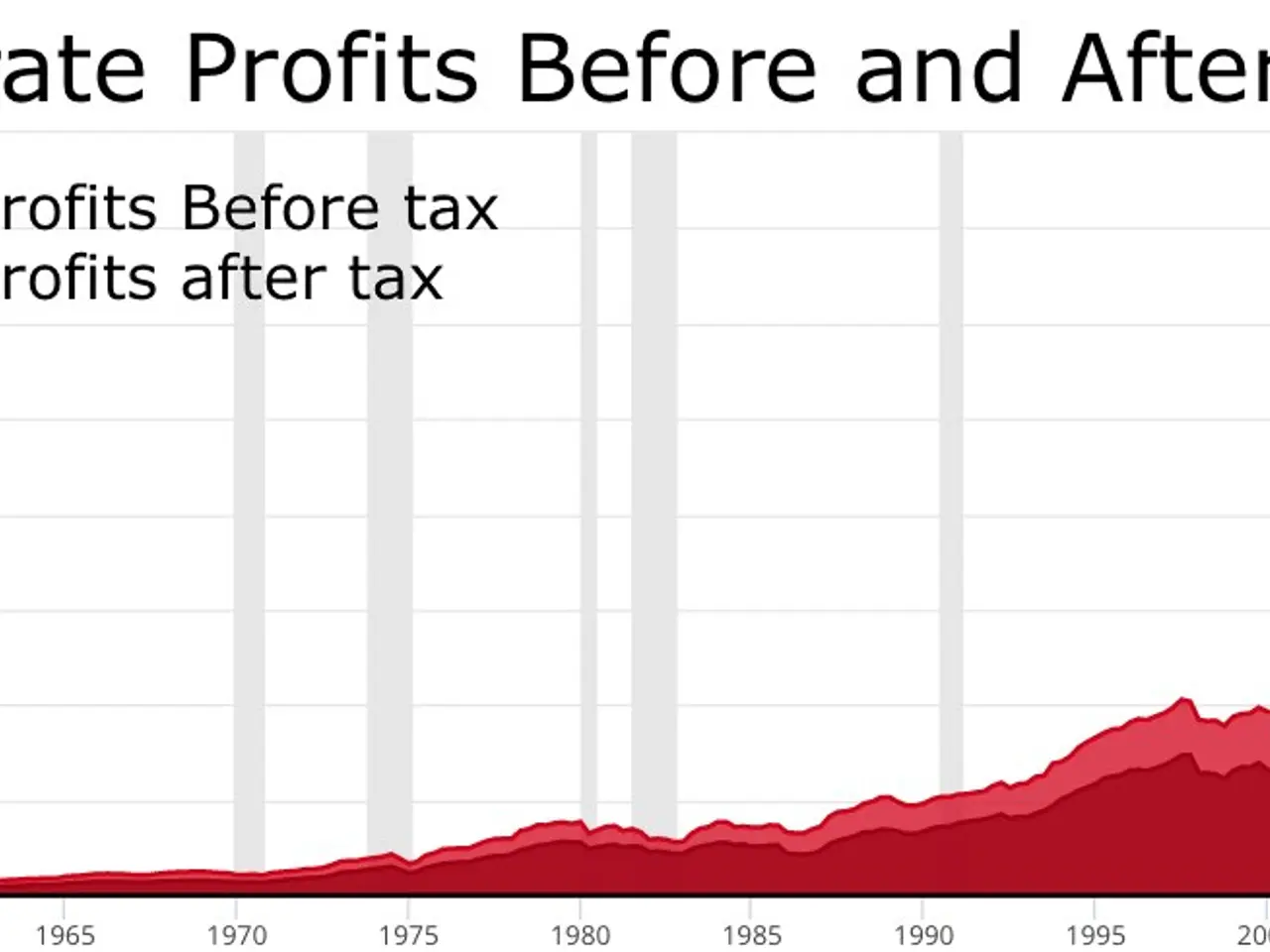
Tax treatment differs from sole traders or partnerships. Limited companies pay Corporation Tax on profits, which may work out lower than personal Income Tax rates. However, setting up and maintaining one involves fees, including registration and accountancy charges.
Public records show key company details, such as directors’ names and financial statements. This transparency can build trust with customers and investors. Adding ‘Ltd’ to the business name also enhances credibility, making it easier to attract funding by selling shares. The structure provides clear benefits, like asset protection and easier investment opportunities. But it also demands careful compliance with legal and financial obligations. Owners must weigh these factors before choosing this business model.
Read also:
- Federal Funding Supports Increase in Family Medicine Residency Program, Focusing on Rural Health Developments
- Potential Role of DHA in Shielding the Brain from Saturated Fats?
- Alternative Gentle Retinoid: Exploring Bakuchiol Salicylate for Sensitive Skin
- Hanoi initiates a trial program for rabies control, along with efforts to facilitate the transition from the dog and cat meat trade industry.