Why German women's leadership roles hit a six-year low in 2026
A new study reveals three key factors that shape female employment rates across German industries. Wages, part-time work, and leadership roles explain over 90% of the differences. Meanwhile, the share of women in management has hit a six-year low, dropping to 23.5% in 2026.
The findings come as the government considers tax and insurance reforms to boost female workforce participation. Industries with higher wages and supplemental payments tend to employ more women. Sectors offering flexible, part-time roles also see greater female representation. Additionally, companies with more women in leadership positions attract and retain more female staff.
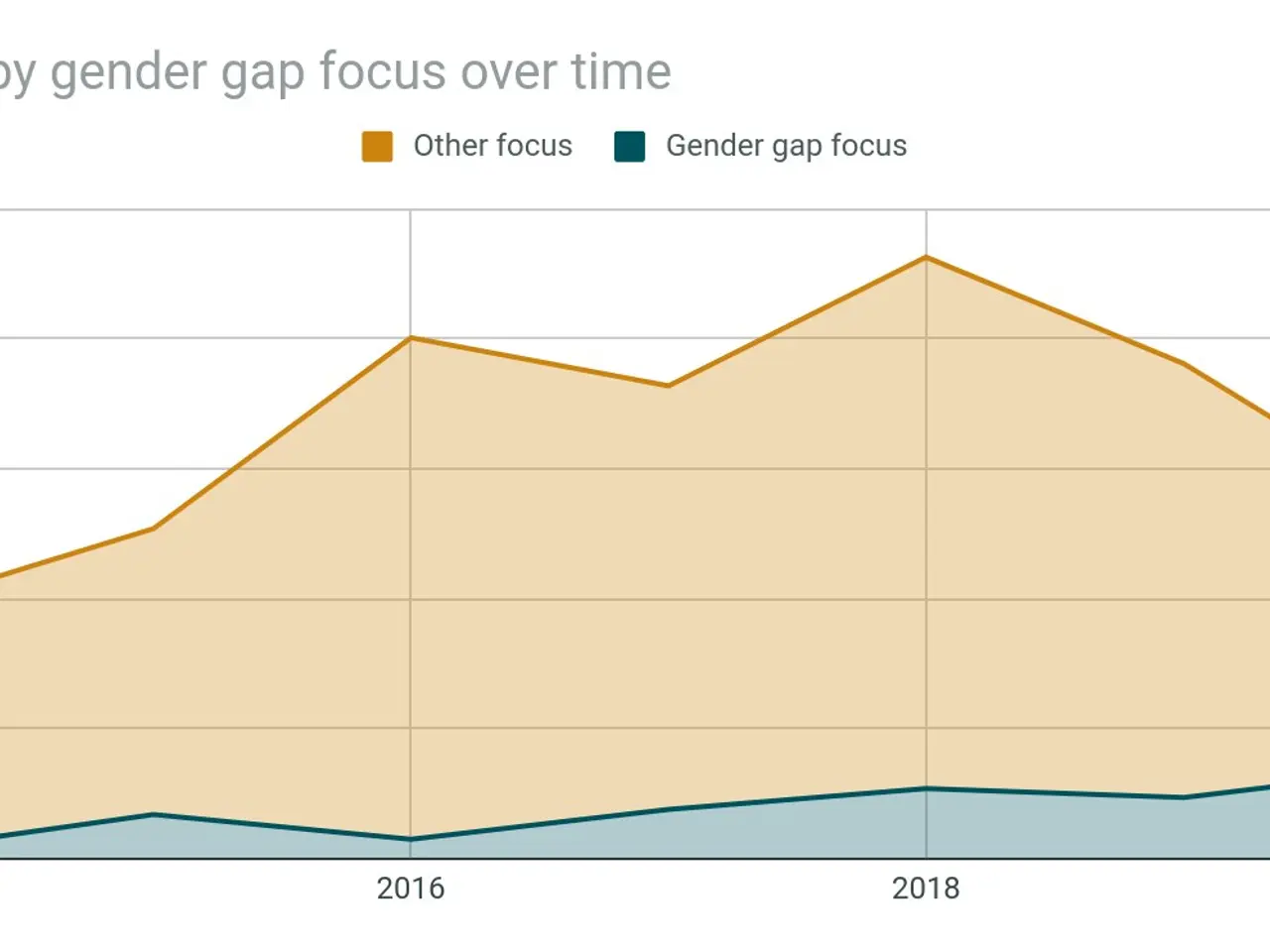
However, the latest CRIF study shows a decline in women holding top jobs. In 2026, the share fell to 23.5%—the lowest in six years. Some sectors, like mechanical engineering (10.4%), construction (10.2%), and shipping (10.9%), remain far below average. Healthcare leads with 39.4% female managers.
The DIW Managerinnen-Barometer confirms this trend. Since 2006, the proportion of women on executive boards has stagnated at around 19%. Banking and insurance are the only sectors showing slight improvement.
Claus Michelsen, the study's author, criticises current policies for discouraging work. The joint tax filing system for married couples reduces incentives for secondary earners, often women. The no-contribution co-insurance for spouses—called a 'subsidy for non-employment'—further lowers participation. Michelsen argues that removing these barriers would encourage more women to join the workforce.
Research also shows that female employees stay longer and advance further in companies with more women in leadership. Yet childcare responsibilities still push many into part-time roles, limiting career progression. The German government is now reviewing reforms to tax and insurance rules. Changes could include ending joint filing for couples and scrapping no-contribution co-insurance. These steps aim to increase female employment by removing financial disincentives.
Meanwhile, industries with better pay, flexible hours, and more women in top roles continue to lead in gender balance. The decline in female leadership, however, suggests deeper challenges remain.
Read also:
- American teenagers taking up farming roles previously filled by immigrants, a concept revisited from 1965's labor market shift.
- Weekly affairs in the German Federal Parliament (Bundestag)
- Landslide claims seven lives, injures six individuals while they work to restore a water channel in the northern region of Pakistan
- Escalating conflict in Sudan has prompted the United Nations to announce a critical gender crisis, highlighting the disproportionate impact of the ongoing violence on women and girls.