Baden-Württemberg's emergency services unite for major control centre reforms
Call for Emergency Call Reforms: Broad Alliance Demands Overhaul of Baden-Württemberg Control Centers
On Friday, April 24, 2026, multiple organizations unveiled a joint position paper outlining a vision to modernize, streamline, and strengthen the resilience of emergency control centers across the state. The initiative is backed by key stakeholders, including the German Red Cross (DRK) state associations, the State Firefighters' Association, the County Council Association, the Association of Cities, and several health insurance providers.
According to the coalition, the existing integrated control centers should be more closely networked in the future. Plans include forming regional alliances of multiple centers to share technology, personnel, and infrastructure. This approach would allow emergency calls to be handled more flexibly and deployments to be coordinated more rapidly.
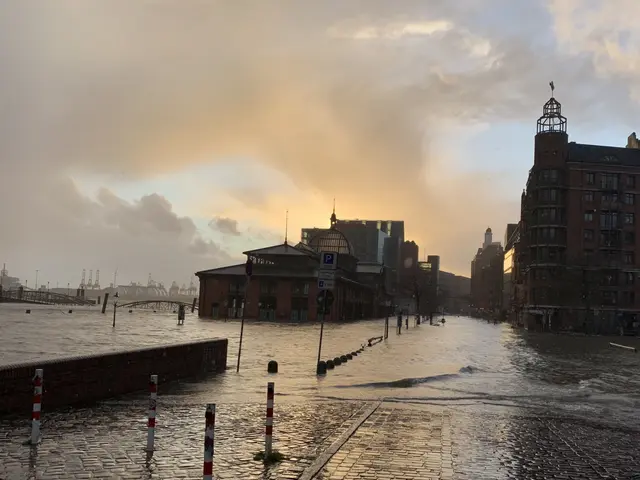
The push for reform comes amid rising challenges—such as labor shortages, increasing extreme weather events, and growing cyber threats. At the same time, the alliance emphasizes the need to preserve local structures to ensure cities and districts remain operational in crises.
The coalition also highlights economic benefits: pooled investments and phased modernization could make the system more cost-effective. In emergencies, the networked approach would enhance stability and resilience.
With the paper, the organizations issue a clear call to state policymakers to actively support these developments and establish the necessary framework conditions.
Read also:
- American teenagers taking up farming roles previously filled by immigrants, a concept revisited from 1965's labor market shift.
- Weekly affairs in the German Federal Parliament (Bundestag)
- Landslide claims seven lives, injures six individuals while they work to restore a water channel in the northern region of Pakistan
- Escalating conflict in Sudan has prompted the United Nations to announce a critical gender crisis, highlighting the disproportionate impact of the ongoing violence on women and girls.