Baden-Württemberg's Green Gamble: How Nuclear Shutdowns Backfired on Energy Policy
The shutdown of nuclear plants in Baden-Württemberg led to a major shift in energy policy under the Greens. After taking power in 2011, the party used the state’s control of EnBW to push an aggressive renewable agenda. This transformation came at a high financial cost, with billions spent on green investments and debt-fuelled expansion plans. The Greens’ rise in Baden-Württemberg was tied to a scandal involving EnBW. Former Minister President Stefan Mappus had spent €4.7 billion to repurchase EnBW shares from EDF without parliamentary approval. When the Greens took office, they seized control of the company and redirected its strategy toward renewables.
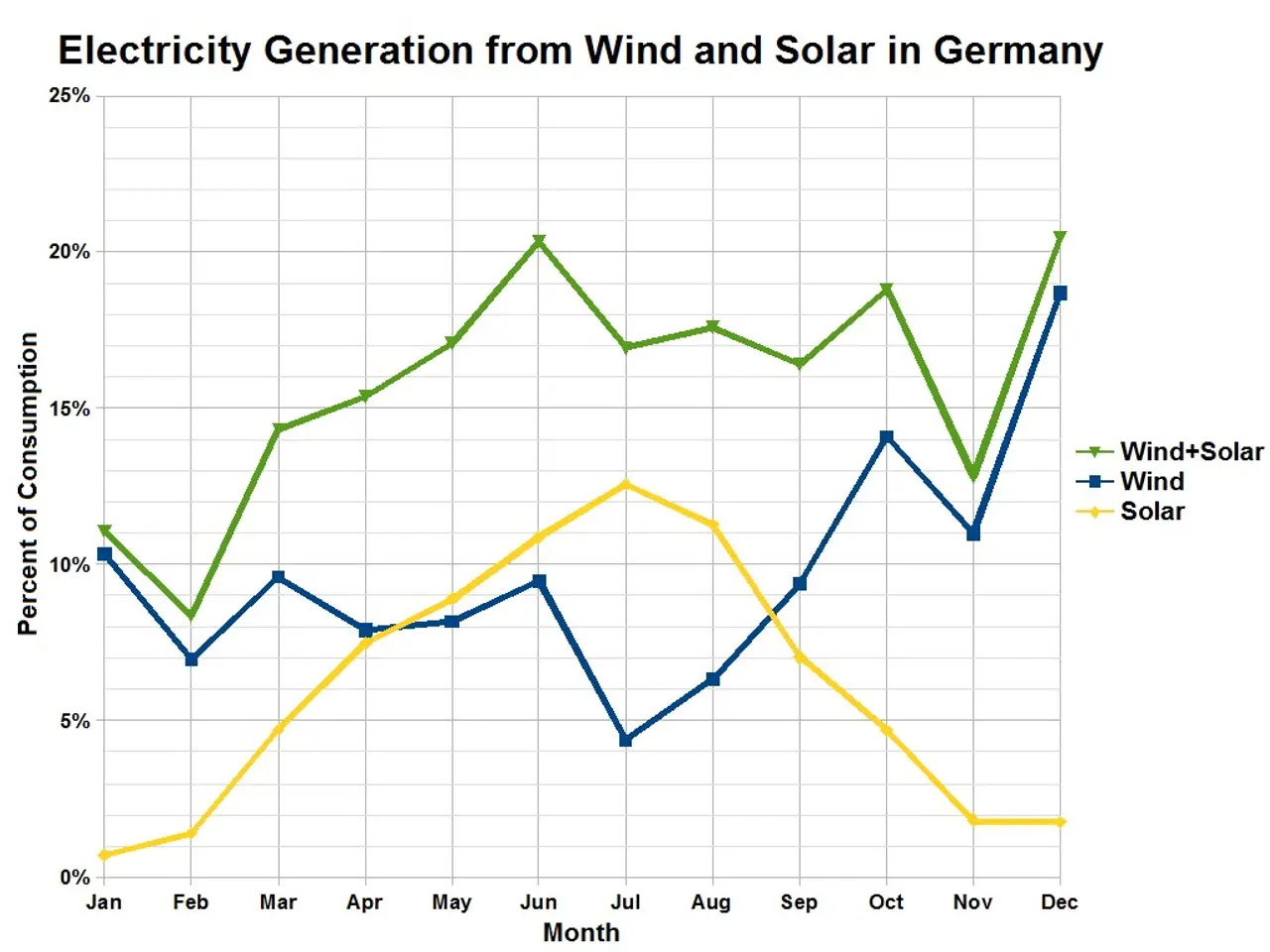
The Merkel coalition in Berlin backed the Greens’ energy policies, leading to the closure of nuclear plants. This removed 4.5 gigawatts of reliable baseload capacity from the grid. EnBW was then forced to commit to climate neutrality by 2035 and pour billions into wind and solar projects, often ignoring economic risks. To fund its green push, EnBW announced plans for at least one 'green bond' each year. This strategy added nearly €3 billion in annual debt. The company also pledged up to €50 billion by 2030 to shift 80% of its generation to renewables, with offshore wind as a key focus. However, setbacks soon followed. EnBW withdrew from the British 'Mona' and 'Morgan' offshore wind projects, resulting in a €1.2 billion impairment charge. Despite this, the North Sea Summit later pledged to install up to 300 gigawatts of theoretical wind capacity in the region by 2050, facing significant environmental and operational hurdles.
EnBW’s rapid shift to renewables has left it with heavy debt and financial losses. The company now faces the challenge of balancing ambitious climate targets with economic reality. Meanwhile, the broader push for North Sea wind expansion continues, despite unresolved technical and environmental concerns.
Read also:
- American teenagers taking up farming roles previously filled by immigrants, a concept revisited from 1965's labor market shift.
- Weekly affairs in the German Federal Parliament (Bundestag)
- Landslide claims seven lives, injures six individuals while they work to restore a water channel in the northern region of Pakistan
- Escalating conflict in Sudan has prompted the United Nations to announce a critical gender crisis, highlighting the disproportionate impact of the ongoing violence on women and girls.