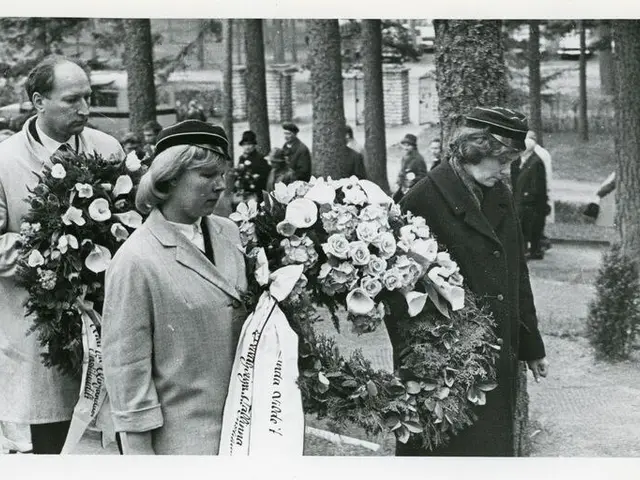
The Largest Chernobyl Way March Took Place in Minsk in 1996
Chernobyl's shadow lingers as Belarus battles lasting radioactive fallout
On April 26, 1986, the fourth reactor at the Chernobyl Nuclear Power Plant exploded. The disaster released 300 times more radioactive material into the atmosphere than the atomic bombing of the Japanese city of Hiroshima.
Though the plant was located in Ukraine, over 70% of the radioactive nuclides released by the accident settled on Belarusian territory. The catastrophe became one of the largest man-made disasters in human history, with devastating consequences for the environment, public health, and societal safety.
Nearly 2 million people in Belarus suffered from the aftermath of the Chernobyl disaster, including more than half a million children. Vast areas of the country were turned into an ecological disaster zone for centuries to come.
This day once held deep significance for many. Every year, publications and events were prepared to mark the anniversary. The Chernobyl Way march took place, ensuring the tragedy would not be forgotten while highlighting new challenges and political demands. Meanwhile, Belarusian authorities have persistently ignored the scale of the environmental crisis, continuing the Soviet tradition of suppressing information about the consequences of the Chernobyl disaster.
Read also:
- American teenagers taking up farming roles previously filled by immigrants, a concept revisited from 1965's labor market shift.
- Weekly affairs in the German Federal Parliament (Bundestag)
- Landslide claims seven lives, injures six individuals while they work to restore a water channel in the northern region of Pakistan
- Escalating conflict in Sudan has prompted the United Nations to announce a critical gender crisis, highlighting the disproportionate impact of the ongoing violence on women and girls.