EU Parliament backs €2 trillion budget but clashes loom with member states
How Much Is the European Union Worth to Us?
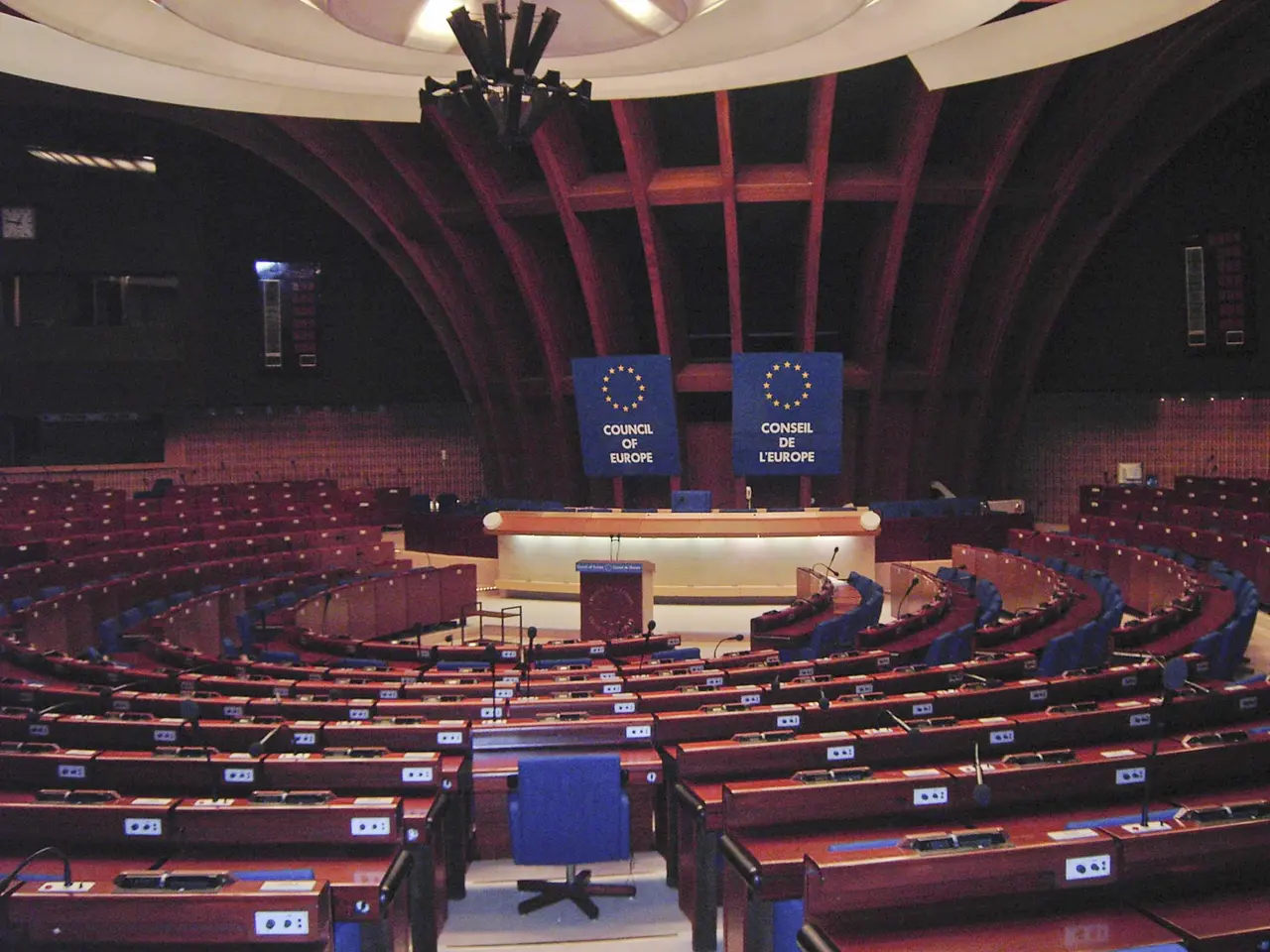
A bitter funding dispute has erupted between the European Parliament and the EU's 27 member states over this very question. On Tuesday in Strasbourg, lawmakers voted overwhelmingly in favor of a significant increase in the EU budget—known as the multiannual financial framework (MFF)—to around two trillion euros for the period from 2028 to 2034.
The move puts the Parliament on a collision course with Germany and other fiscally conservative EU nations, including the Netherlands. At last week's summit in Cyprus, Chancellor Friedrich Merz (CDU) rejected calls for higher EU contributions. In contrast, French President Emmanuel Macron signaled openness to an increase, once again floating the idea of joint EU debt in the form of Eurobonds.
The Parliament's proposal exceeds the European Commission's original plan by 10 percent, raising the bloc's budget to 1.27 percent of economic output—up from just over 1.1 percent today. For comparison, most EU countries currently spend around 2 percent of GDP on defense, a figure set to rise to 3.5 percent by 2035.
Merz, however, wants Germany to hit that 2 percent defense target by 2029—earlier than most of its European partners. Yet when it comes to the EU—a body from which Germany benefits greatly, both as the largest net contributor and through its access to the single market—the chancellor remains tightfisted. "Europe must learn to live within its means," Merz declared at the EU summit, even pushing for cuts in some areas.
European Parliament Pushes Back Against Merz
The European Parliament is digging in its heels. On Tuesday, lawmakers finalized their demands ahead of upcoming negotiations with member states—demands likely to face stiff resistance, particularly in Berlin. The Parliament isn't just calling for more money—an additional €175 billion—but also a shift in priorities.
Rather than funneling ever-greater sums into defense, as Brussels and Berlin advocate, Strasbourg lawmakers want to boost funding for struggling regions, agriculture, the green transition, and digitalization. While defense remains on the agenda, they insist it should not come at the expense of other key areas.
To finance the expanded budget, the Parliament proposes new taxes on digital giants like Google and Amazon, alongside member state contributions. It also seeks innovative solutions for repaying debt from the €600 billion COVID-19 recovery fund, which is due by 2058. Lawmakers want to ring-fence these repayments within the regular budget to free up financial flexibility.
"If Europe wants to survive in a world of predators, it cannot afford a starved budget," warned Matthias Ecke (SPD). Those demanding a stronger EU, he argued, must also provide the necessary resources. "Cuts to agriculture, regional development, and vocational training threaten food security, local resilience, and social inclusion," cautioned Monika Hohlmeier (CSU).
"We need a digital corporate tax," declared Rasmus Andresen (Greens), arguing that this could fully cover COVID repayment costs without requiring austerity elsewhere. The Left, however, was scathing in its criticism. "This is a militarization budget," said Portugal's João Oliveira, accusing both the Parliament and the Commission of misplaced priorities.
Parliament President Roberta Metsola struck a defiant tone: "We are ready" for negotiations. Yet Germany and its EU partners have yet to agree on a unified stance—and the divisions run deep, not just between the Parliament and member states, but also between Berlin and Paris. In the end, compromises will be inevitable—even for Merz.
Read also:
- American teenagers taking up farming roles previously filled by immigrants, a concept revisited from 1965's labor market shift.
- Weekly affairs in the German Federal Parliament (Bundestag)
- Landslide claims seven lives, injures six individuals while they work to restore a water channel in the northern region of Pakistan
- Escalating conflict in Sudan has prompted the United Nations to announce a critical gender crisis, highlighting the disproportionate impact of the ongoing violence on women and girls.