Europe's energy crisis persists as costs stay high without Russian gas
Energy costs in Western Europe remain stubbornly high as the region adjusts to life without Russian gas and oil. Germany and Britain, in particular, face ongoing challenges due to their reliance on affordable energy supplies. The shift away from Russian resources has left households and industries paying more than many other parts of the world. Since Russia's invasion of Ukraine in February 2022, Germany has cut its dependence on Russian gas sharply. Yet energy prices still swing unpredictably, keeping costs elevated for consumers and businesses. Gas now trades at around €40 per megawatt hour, while oil sits at $90 a barrel as of 2026. The country has sped up its rollout of renewable energy, but the transition has not fully offset the financial strain.
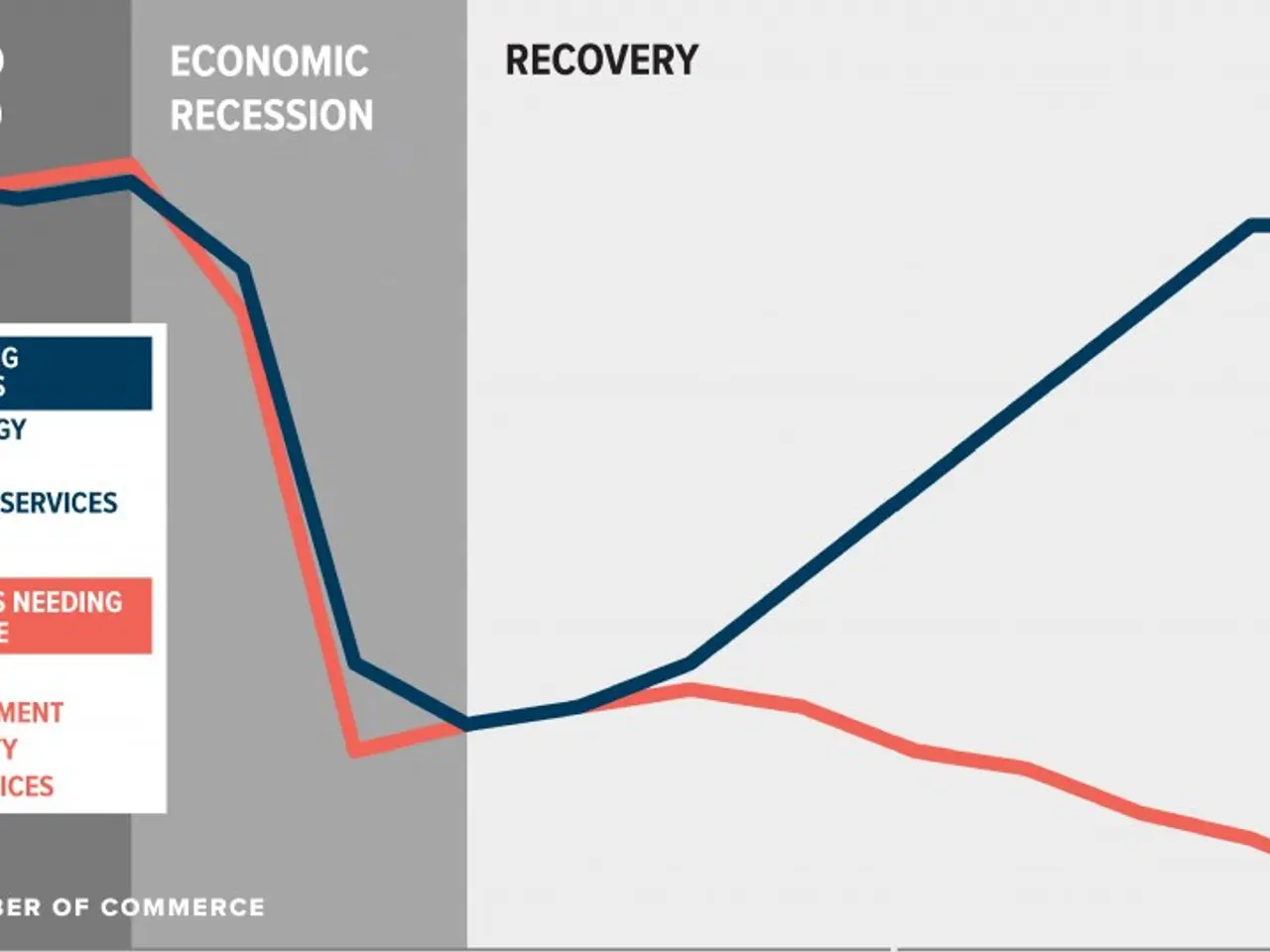
The German economy, already weakened by the pandemic, has struggled to bounce back. Rising fuel and energy expenses—driven by the loss of cheap Russian gas—have deepened the slowdown. Analysts warn that if oil stays above $100 a barrel for two years, the country could lose roughly €40 billion on oil imports alone.
Adding to the pressure, tensions between the US and Iran under Donald Trump's administration have rattled global markets. A potential regional conflict would hit European and German businesses hard, further squeezing an economy already grappling with recession risks and subsidised electricity schemes to ease the burden on consumers. Europe's push for energy independence has not yet solved the problem of high costs. Germany's efforts to replace Russian supplies and stabilise prices continue, but volatility remains. Without a lasting solution, households and industries will keep facing higher bills than much of the rest of the world.
Read also:
- American teenagers taking up farming roles previously filled by immigrants, a concept revisited from 1965's labor market shift.
- Weekly affairs in the German Federal Parliament (Bundestag)
- Landslide claims seven lives, injures six individuals while they work to restore a water channel in the northern region of Pakistan
- Escalating conflict in Sudan has prompted the United Nations to announce a critical gender crisis, highlighting the disproportionate impact of the ongoing violence on women and girls.