Europe's push for digital and military independence gains momentum
Europe is facing growing concerns over its reliance on foreign technology and military support. From smartphones to defence systems, dependence on non-EU providers has sparked calls for change. Some regions and activists are now pushing for greater independence in both digital and military sectors. In the digital world, nearly all smartphones operate on Apple or Google systems. Messaging is dominated by WhatsApp, while cashless payments depend on Visa, Mastercard, or PayPal. German authorities, too, rely heavily on Microsoft software. To counter this, Schleswig-Holstein is switching its administration to locally hosted, open-source alternatives.
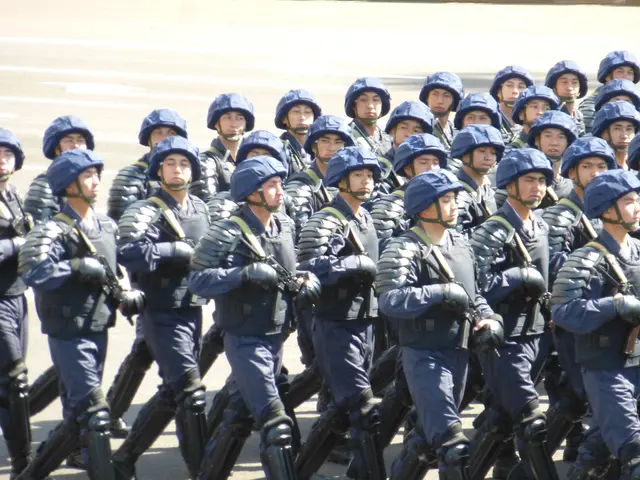
On the military front, Russia’s war in Ukraine and the possibility of Donald Trump’s return to the U.S. presidency have led to a sharp rise in EU defence spending. Yet Europe still lacks self-sufficiency, especially in satellite reconnaissance and combat aircraft. Over 64% of arms imported by European NATO members come from the U.S. The EU has eased debt rules to allow more military investment, but full autonomy remains distant. Activists have also proposed a *Digital Independence Day* on the first Sunday of each month. They encourage people to switch to alternative services, aiming to reduce reliance on major tech firms.
The push for greater independence spans both digital and defence sectors. Schleswig-Holstein’s shift to open-source software marks a local step toward reducing tech dependence. Meanwhile, the EU’s relaxed debt rules signal a commitment to boosting military capabilities, though full self-reliance is still far off.
Read also:
- American teenagers taking up farming roles previously filled by immigrants, a concept revisited from 1965's labor market shift.
- Weekly affairs in the German Federal Parliament (Bundestag)
- Landslide claims seven lives, injures six individuals while they work to restore a water channel in the northern region of Pakistan
- Escalating conflict in Sudan has prompted the United Nations to announce a critical gender crisis, highlighting the disproportionate impact of the ongoing violence on women and girls.