Germany Unites Against Racism With Art, Action and Awareness Campaigns
This Saturday marks the UN's International Day for the Elimination of Racial Discrimination. The date remembers the 1960 Sharpeville massacre, when South African police killed 69 peaceful protesters opposing apartheid laws. Racism continues to undermine human dignity by judging people based on their origin or skin colour instead of their shared humanity.
The United Nations first declared the observance in 1966. Since then, countries have used the day to raise awareness and challenge discrimination. In Germany, the International Weeks Against Racism run from March 16 to 29, aligning with the UN's call to action.
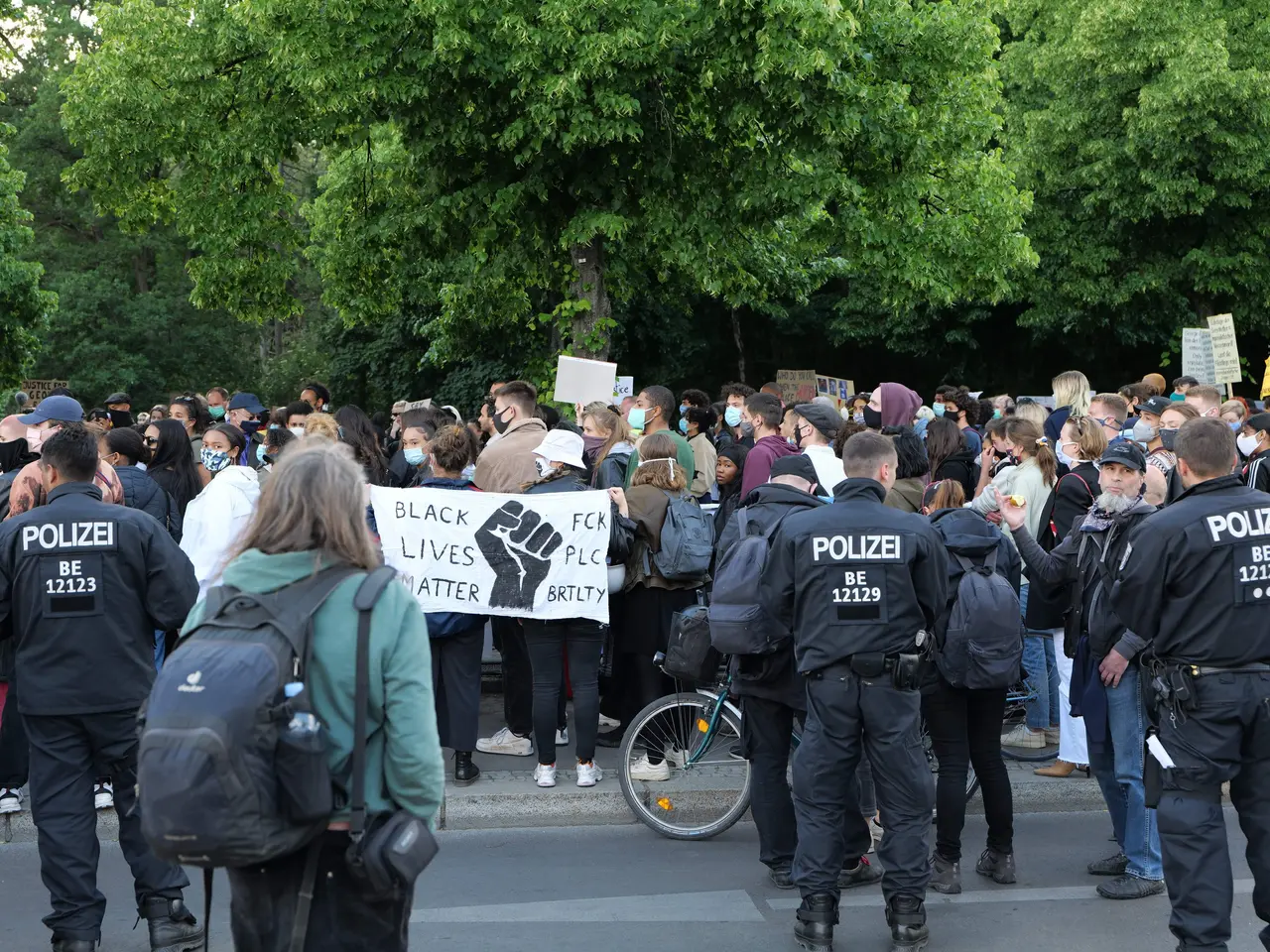
This year's campaign carries the theme *'100% Human Dignity. United Against Racism and Far-Right Extremism.'* The Foundation Against Racism is organising events nationwide, including workshops, film screenings, and creative projects like graffiti and chair designs. Some cities, such as Munich and Hofheim, will host infostands, readings, and quizzes. Others plan commemorative events, like visits to Jewish cemeteries and public rallies. Support for victims remains critical. The Association of Counseling Centers offers free legal and psychosocial help to those affected by racist, right-wing, or antisemitic violence. Official figures show a rise in such crimes: Germany's Federal Ministry of the Interior recorded 19,481 racist offences in 2024—the highest number to date. Experts warn that underreporting and gaps in police training mean the true scale is likely even larger. While no global data tracks participation in anti-racism weeks, several German municipalities have already committed to future campaigns. In 2026, cities like Gronau and Filderstadt will join under the same motto, reinforcing the message that every person's worth comes simply from being human.
The day serves as a reminder that racism violates the principle of equal dignity for all. Events across Germany aim to educate, support victims, and foster solidarity. Yet the record number of racist crimes highlights the ongoing need for action beyond symbolic gestures.
Read also:
- American teenagers taking up farming roles previously filled by immigrants, a concept revisited from 1965's labor market shift.
- Weekly affairs in the German Federal Parliament (Bundestag)
- Landslide claims seven lives, injures six individuals while they work to restore a water channel in the northern region of Pakistan
- Escalating conflict in Sudan has prompted the United Nations to announce a critical gender crisis, highlighting the disproportionate impact of the ongoing violence on women and girls.