Germany's cocaine crisis exposes gaps in fighting transnational crime networks
Germany is facing a surge in organised crime, particularly in the cocaine trade, as demand across Europe drives record profits for criminal networks. A new report highlights major gaps in the country’s response, with no unified strategy to tackle the issue across foreign, domestic, and financial policy.
The problem extends far beyond national borders, with over 70 percent of investigations involving transnational links. Meanwhile, the financial toll is steep, with recorded damages reaching €2.7 billion and €230.5 million in laundered funds slipping through the cracks.
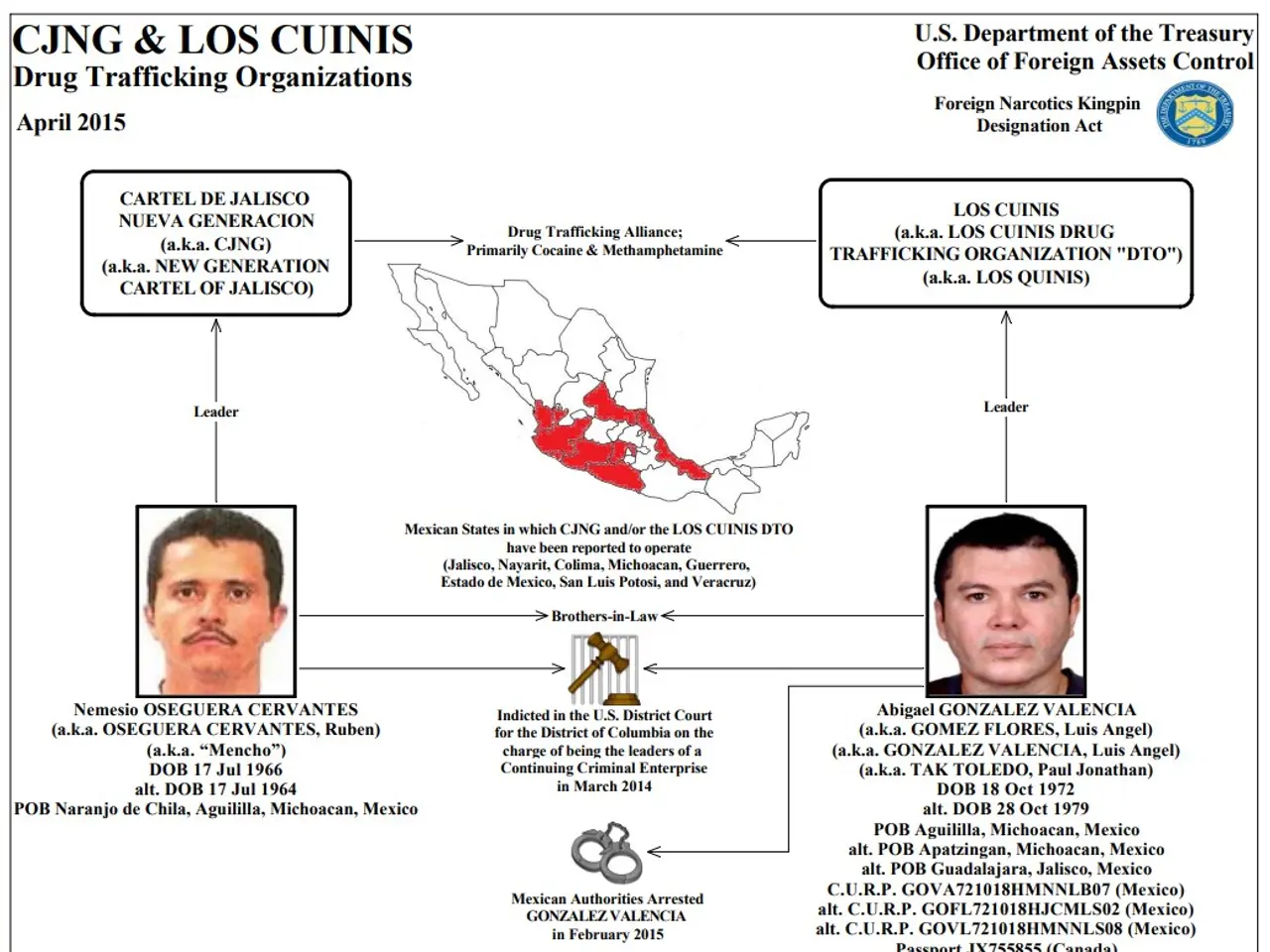
The cocaine trade in Germany is fuelled by high European demand, making it one of the most profitable criminal enterprises. Most of the drug originates in Latin America, where cartels exploit social inequality and weak governance. These groups don’t just traffic drugs—they corrupt officials, manipulate legal systems, and enforce their own violent order in entire regions.
Europol estimates that 98 percent of criminally obtained assets in Europe remain with offenders, showing how deeply embedded these networks have become. The situation has also sparked political debate, with right-wing groups framing organised crime as an immigration issue and pushing for harsher penalties or deportations. Germany’s current approach lacks coordination, leaving gaps between law enforcement, financial regulators, and international partners. The absence of a cross-departmental strategy makes it harder to disrupt criminal operations effectively. Some countries, like El Salvador, have taken aggressive measures to reduce street violence—but these have come at the cost of widespread human rights violations.
The cocaine flood in Germany shows no signs of slowing, with transnational crime groups growing stronger and more entrenched. Without a unified national strategy, authorities will struggle to stem the flow of drugs, money, and corruption.
The financial and social costs are already clear, with billions lost to criminal activity each year. Any solution will require closer cooperation between agencies—and a balance between enforcement and protecting civil liberties.
Read also:
- Federal Funding Supports Increase in Family Medicine Residency Program, Focusing on Rural Health Developments
- Potential Role of DHA in Shielding the Brain from Saturated Fats?
- Alternative Gentle Retinoid: Exploring Bakuchiol Salicylate for Sensitive Skin
- Hanoi initiates a trial program for rabies control, along with efforts to facilitate the transition from the dog and cat meat trade industry.