Germany's Fuel Discount Fails to Deliver Full Savings to Drivers
The German government’s fuel discount, introduced on 1 May, has failed to deliver its full savings to drivers. While prices at the pump have dropped slightly, stations have not passed on the entire tax cut. This shortfall has left many consumers paying more than expected.
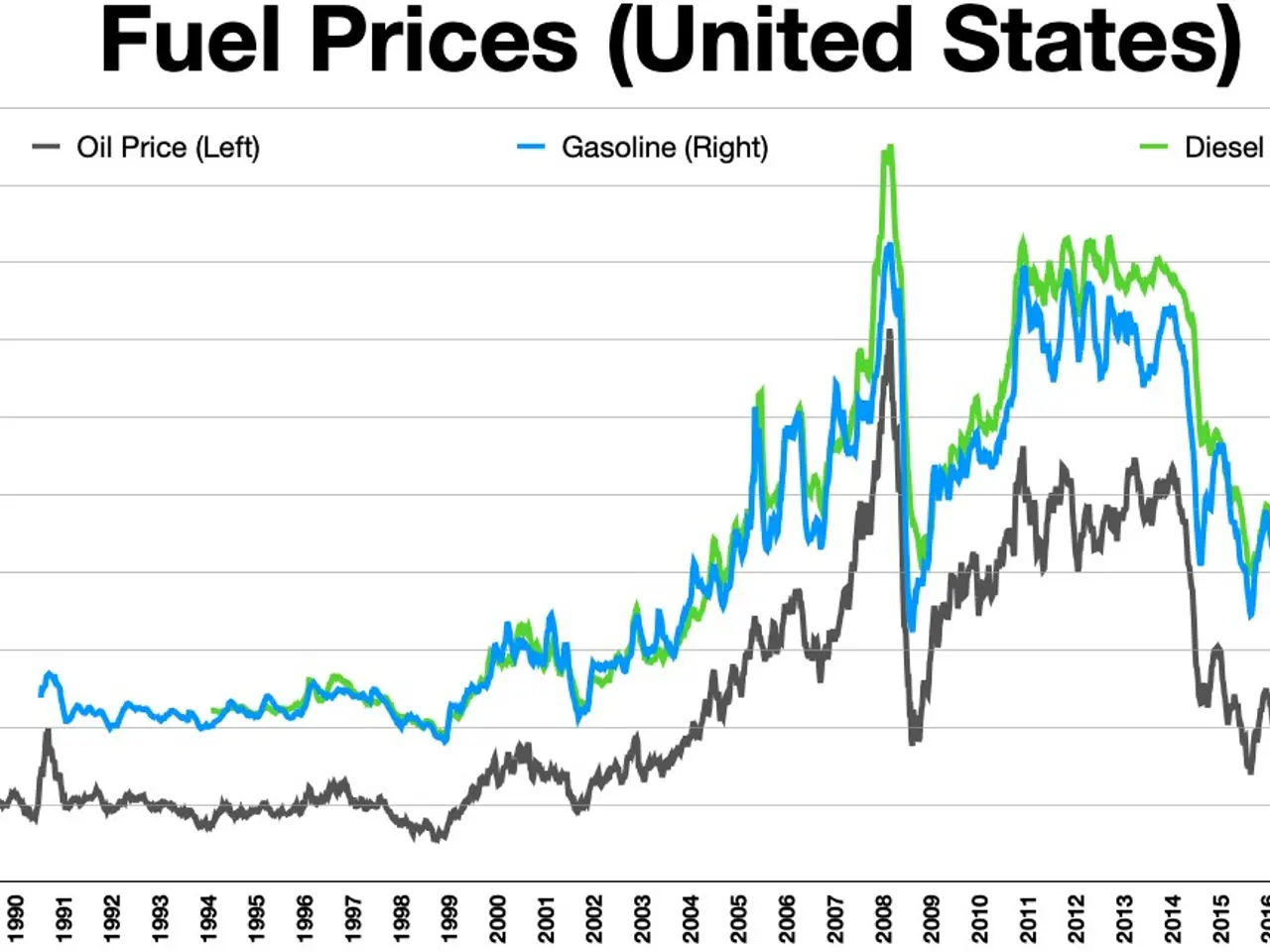
Under the scheme, diesel taxes were cut by 17 cents per litre, yet service stations reduced prices by only 4 cents on average. Premium gasoline saw a slightly larger discount of 12 cents, but this still fell short of the full 17-cent reduction. The gap suggests that stations have absorbed much of the tax relief rather than passing it to customers.
Germany’s heavy reliance on imported fuel may explain why the diesel discount has had limited impact. With global supply chains influencing domestic prices, the policy’s effect has been weakened. Additionally, the discount’s design lacks precision, meaning higher-income households benefit more than those on lower incomes. While the measure has briefly eased costs at the pump, it has done little to curb overall fuel consumption. Diesel and gasoline usage remains largely unchanged, raising questions about the policy’s long-term effectiveness.
The fuel discount has provided some relief, but its uneven distribution and modest impact on prices have drawn criticism. Consumers continue to face higher costs than anticipated, with no significant reduction in fuel demand. The policy’s ability to deliver lasting benefits remains uncertain.
Read also:
- Federal Funding Supports Increase in Family Medicine Residency Program, Focusing on Rural Health Developments
- Potential Role of DHA in Shielding the Brain from Saturated Fats?
- Alternative Gentle Retinoid: Exploring Bakuchiol Salicylate for Sensitive Skin
- Hanoi initiates a trial program for rabies control, along with efforts to facilitate the transition from the dog and cat meat trade industry.