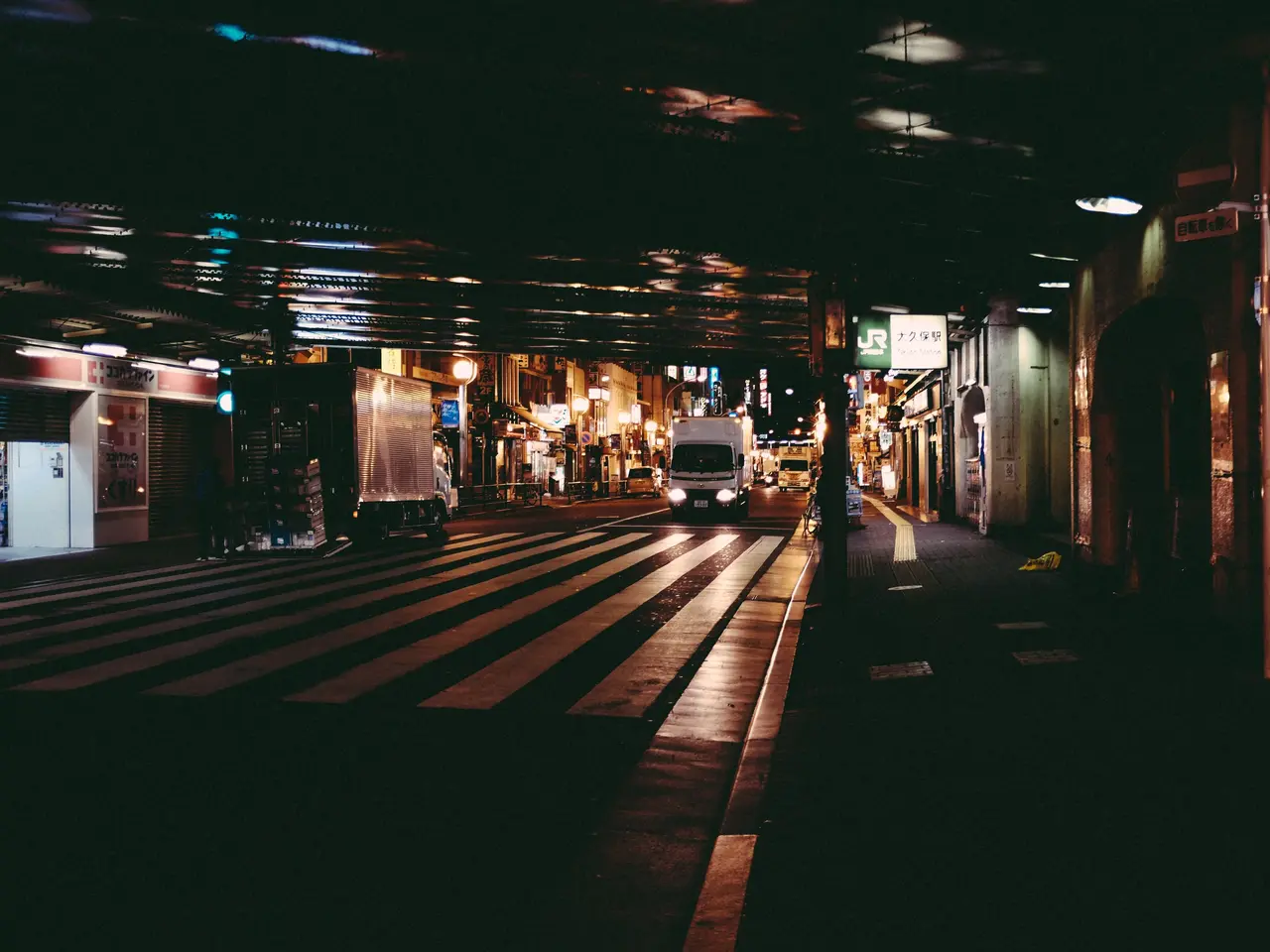
Gütersloh reverses energy-saving policy, keeps streetlights on all night
Gütersloh's Streetlights to Stay On All Night Starting Thursday
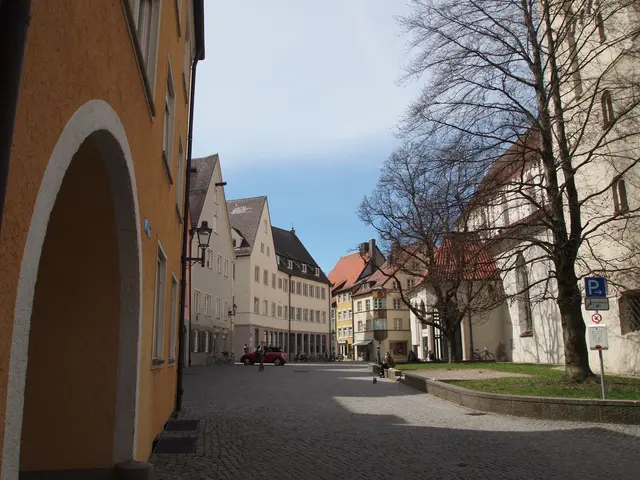
From Thursday (February 19), streetlights across Gütersloh will remain illuminated throughout the night—a decision that has sparked sharp divisions in local politics and among residents.
In 2022, amid the energy crisis, the city opted to switch off street lighting for several hours each night. Now, operations will return to normal: previously, lights were turned off on weekdays from midnight to 4 a.m. and on weekends from 3 a.m. to 5 a.m. According to city officials, the blackout periods particularly affected those out during those hours—such as night-shift workers—who felt restricted by the darkness.
Council's Narrow Vote
The change follows a city council resolution passed on February 6. The CDU faction had proposed "restoring full-night street lighting." The motion was supported by the CDU, FDP, and AfD, while the SPD, Greens, and Left Party opposed it, citing increased air pollution and harm to insects and beetles. They also argued that the measure could have saved money at a time when the city's budget is under strain. In the end, the council narrowly voted 26 to 24 in favor of keeping the lights on.
Gütersloh is not alone in reversing energy-saving measures: in April 2023, the neighboring city of Herford also decided to restore overnight street lighting, abandoning earlier conservation efforts.
Higher Costs and CO₂ Emissions
The round-the-clock illumination comes at a price—an additional €35,000 per year—along with 300 extra tons of CO₂ emissions annually.
Mixed Reactions on Social Media
Opinions remain deeply divided, both in politics and among residents. Social media debates reflect the split: some welcome the return of full lighting, while others criticize light pollution and argue the funds could have been better spent—on schools, for example.
Read also:
- American teenagers taking up farming roles previously filled by immigrants, a concept revisited from 1965's labor market shift.
- Weekly affairs in the German Federal Parliament (Bundestag)
- Landslide claims seven lives, injures six individuals while they work to restore a water channel in the northern region of Pakistan
- Escalating conflict in Sudan has prompted the United Nations to announce a critical gender crisis, highlighting the disproportionate impact of the ongoing violence on women and girls.