Halle's street redesign pits parking against green spaces and community gardens
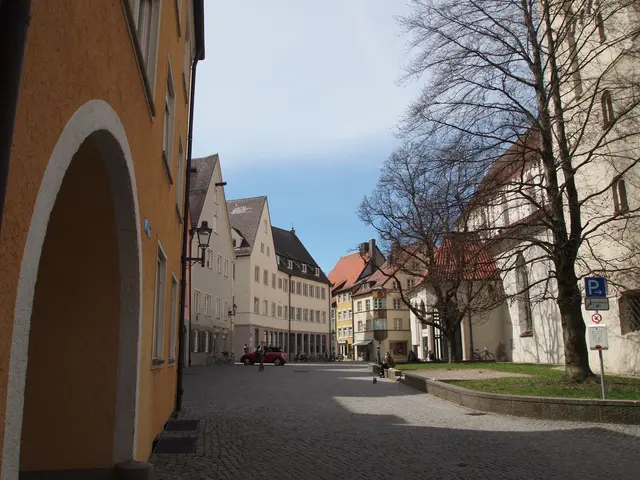
Plans to redevelop Elsa-Brändström-Straße in Halle (Saale) have sparked concerns among local residents. The project involves converting 2,500 square metres of land into parking spaces while also expanding the city's tram network. Many fear the changes will disrupt their daily routines and reduce their quality of life. The redesign focuses on two key changes: improving conditions for the street's plane trees and adjusting the traffic layout. To give the trees more room, paved surfaces around them will be removed, allowing their root zones to expand. At the same time, the tram expansion requires removing 120 curbside parking spaces, forcing the city to create new ones elsewhere.
Behind the residential buildings, historic allotment gardens established in 1931 will be cleared to make way for the new parking areas. These gardens have long served as important spaces for socialising and growing food. Residents, however, were not consulted before receiving sudden termination notices for their plots.
Many argue that the loss of green spaces will worsen the impact of summer heatwaves. They also believe that sustainable transport policies should not come at the cost of sustainable urban living. Despite the concerns, the city has not yet responded to requests for comment on the plans. The future of the allotment gardens remains unclear as the redevelopment moves forward. Residents face losing a long-standing community resource, while the city pushes ahead with its tram and parking plans. The project's impact on daily life in the area will depend on how the changes are implemented.
Read also:
- American teenagers taking up farming roles previously filled by immigrants, a concept revisited from 1965's labor market shift.
- Weekly affairs in the German Federal Parliament (Bundestag)
- Landslide claims seven lives, injures six individuals while they work to restore a water channel in the northern region of Pakistan
- Escalating conflict in Sudan has prompted the United Nations to announce a critical gender crisis, highlighting the disproportionate impact of the ongoing violence on women and girls.