Hurricane Conference Kicks Off Without FEMA Amid Government Shutdown
The National Hurricane Conference, a key event for preparing communities ahead of the Atlantic hurricane season, began on Monday. Over 1,800 emergency managers, federal representatives, and non-profit workers gathered to discuss storm readiness. However, FEMA's absence has raised concerns due to the ongoing partial government shutdown. The conference, running until Thursday, is one of the largest hurricane preparedness events in the US. Attendees include state and local emergency managers, federal agency staff, and private sector representatives. Despite its importance, FEMA announced it would not participate, citing the shutdown's direct impact on its ability to support communities.
Over the past five years, FEMA had expanded its role in hurricane response, improving coordination with states and using AI-driven forecasting. Structural changes under the Biden administration also sped up emergency deployment. Yet, the January 2026 shutdown—triggered by disputes over the debt ceiling—temporarily disrupted funding, though core operations like those during 2024's Hurricane Milton remained unaffected.
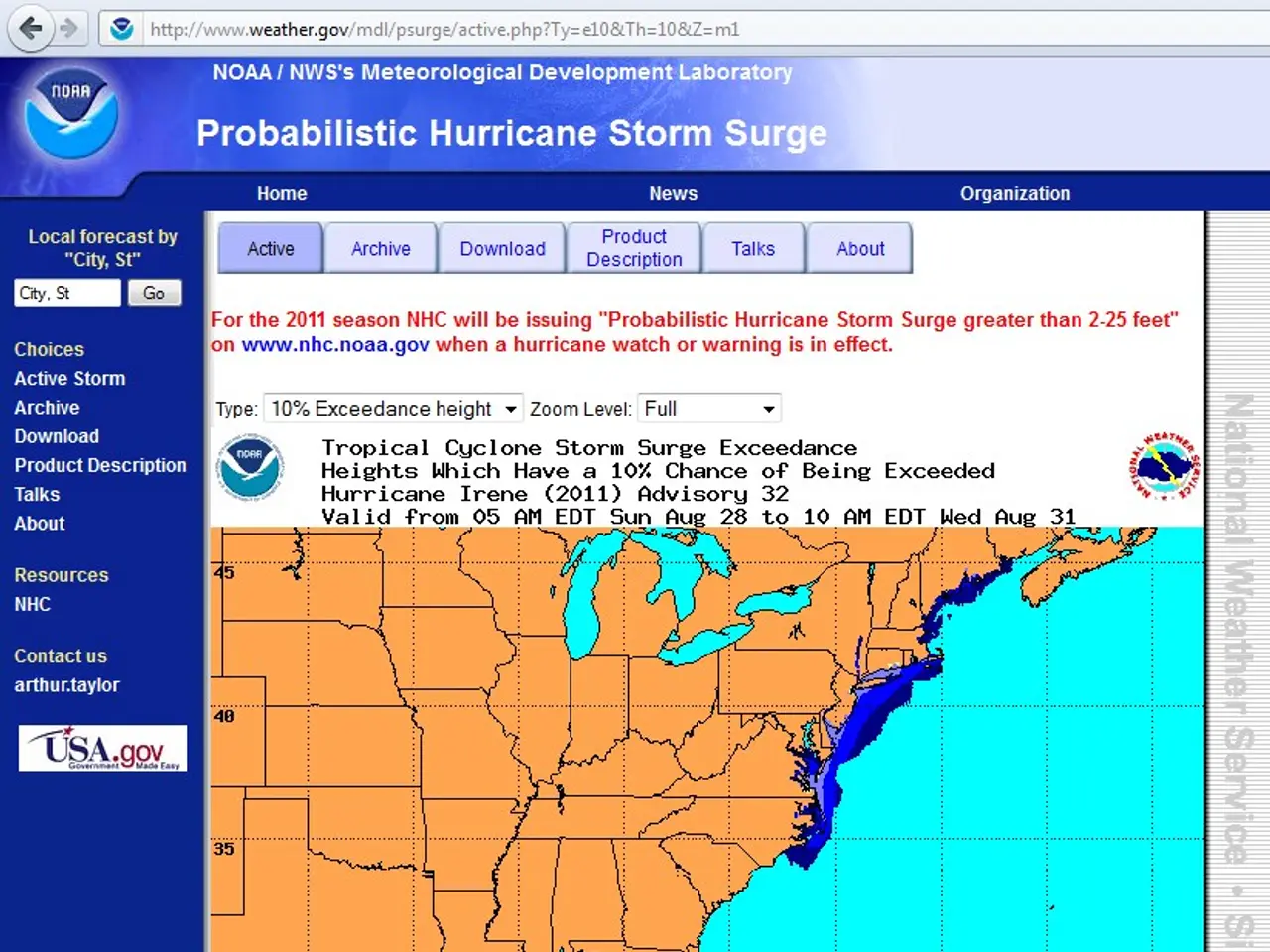
Michael Brennan, director of the National Hurricane Center, warned that last year's mild hurricane season might lead some Americans to delay preparations. Meanwhile, Kevin Guthrie, Florida's emergency management director, suggested that FEMA's absence could push state and local governments to take a more active role. Jeremy Knighton, an emergency management official in Asheville, North Carolina, noted that the agency's no-show adds extra challenges to an already complex event.
FEMA's troubles trace back to President Trump's second term, when he demanded major reforms at the agency. The current shutdown has only deepened its instability, leaving communities to navigate hurricane season with less federal support. The Atlantic hurricane season officially starts on June 1. With FEMA sidelined, state and local agencies must now fill the gap in emergency planning. The conference continues, but the agency's absence highlights the broader effects of the ongoing government shutdown.
Read also:
- American teenagers taking up farming roles previously filled by immigrants, a concept revisited from 1965's labor market shift.
- Weekly affairs in the German Federal Parliament (Bundestag)
- Landslide claims seven lives, injures six individuals while they work to restore a water channel in the northern region of Pakistan
- Escalating conflict in Sudan has prompted the United Nations to announce a critical gender crisis, highlighting the disproportionate impact of the ongoing violence on women and girls.