Massive Munich rally demands regime change in Iran amid divisions
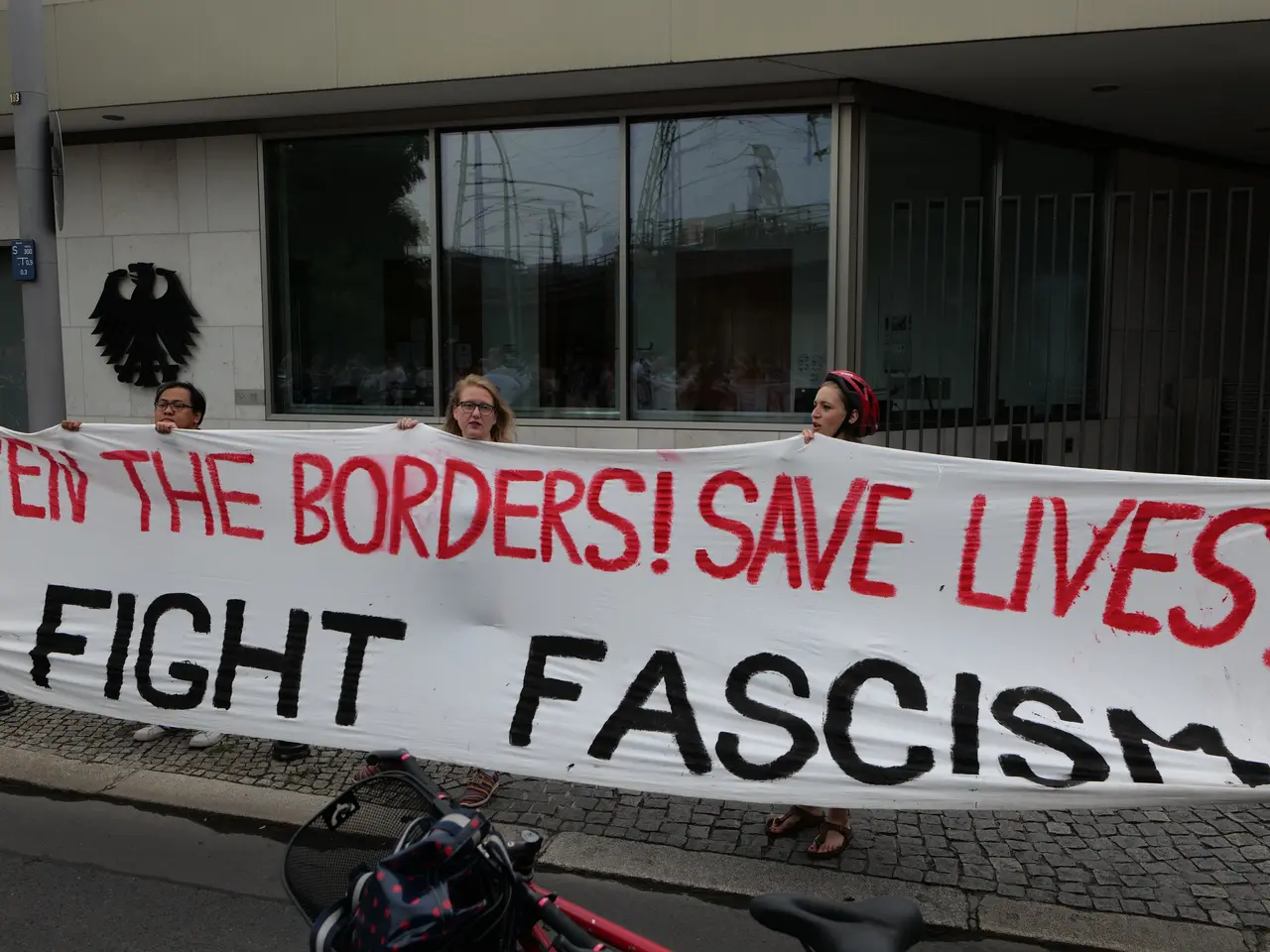
Thousands of protesters filled the streets of Munich on a cloudy day to demand change in Iran. The rally, one of the city’s largest ever, drew an estimated 250,000 people during the Munich Security Conference. Many waved flags from Iran, Germany, Israel, and the U.S., while chanting in both Farsi and English.
The demonstration matched the scale of last year’s anti-far-right protest in the same location. Supporters united behind Reza Pahlavi, the son of Iran’s last monarch, calling for him to replace the current regime. Pahlavi spoke to the crowd, vowing a secular government and stronger regional ties if the mullahs fall.
Not everyone fully backs Pahlavi as a long-term leader, though. Some see him only as a temporary figure in a potential transition. Meanwhile, a separate protest by the People’s Mujahedin of Iran drew a few hundred attendees under the slogan *‘No to the Shah, no to the Mullahs.’* The event was part of a series of Iran-focused protests during the security conference. Despite the cold weather, the turnout remained high, reflecting widespread dissatisfaction with Tehran’s leadership.
The Munich rally became one of the largest in the city’s history, with 250,000 people voicing demands for Iranian regime change. While Pahlavi gained visible support, questions remain about his future role. The protests also highlighted divisions, as smaller groups rejected both monarchy and theocracy.
Read also:
- American teenagers taking up farming roles previously filled by immigrants, a concept revisited from 1965's labor market shift.
- Weekly affairs in the German Federal Parliament (Bundestag)
- Landslide claims seven lives, injures six individuals while they work to restore a water channel in the northern region of Pakistan
- Escalating conflict in Sudan has prompted the United Nations to announce a critical gender crisis, highlighting the disproportionate impact of the ongoing violence on women and girls.